Clear Sky Science · en
SMART model-based social marketing intervention to improve vitamin d supplementation adherence in female university students: a quasi-experimental mixed-methods study
Why this study matters to everyday life
Many young women, even those studying health sciences, quietly live with low levels of vitamin D. This nutrient supports strong bones and a well-functioning immune system, yet busy schedules, indoor lifestyles, and the cost or hassle of pills mean that supplements are often forgotten. This study explored a practical question with real-world impact: if we treat vitamin D use like a carefully planned public campaign rather than a simple classroom lesson, can we actually get students to take their supplements regularly?
Understanding the problem among students
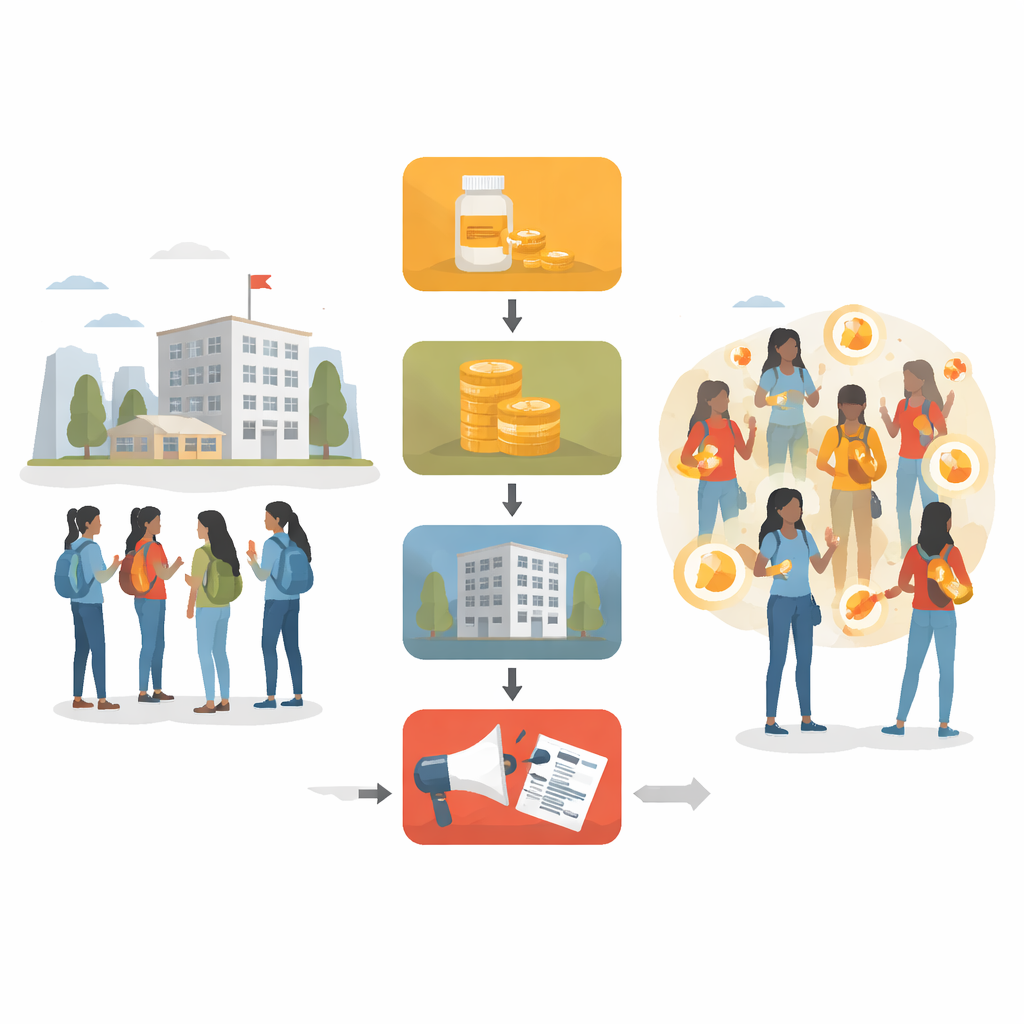
The research took place at a medical university in Iran, focusing on female students living in dormitories, a group known to have a high risk of vitamin D deficiency. A pilot survey of 160 students showed that fewer than one in five were taking vitamin D regularly. To move beyond statistics and understand the “why,” the researchers interviewed nutrition experts, health educators, and students. These conversations revealed common obstacles: many students did not fully grasp the long-term consequences of low vitamin D, did not see immediate benefits from supplements, or believed they were not personally at risk. Practical barriers—such as the price of supplements, difficulty getting them, hectic routines, and simple forgetfulness—also played a major role.
Designing a campaign, not just a class
Instead of relying only on lectures, the team used a social marketing framework called the SMART model. Social marketing borrows ideas from commercial advertising but aims to improve health rather than sell products. Four main levers were used. The “product” was a clear, simple offer: monthly vitamin D capsules packaged as an easy routine. The “price” was lowered by giving the supplements for free, cutting financial excuses. The “place” was optimized by distributing pills right in the dormitories, where students lived and socialized. Finally, “promotion” used multiple channels—interactive workshops, online sessions, videos, printed materials, and regular reminders via messaging apps—to keep vitamin D on students’ radar and to shape supportive peer norms.
Testing what actually changed
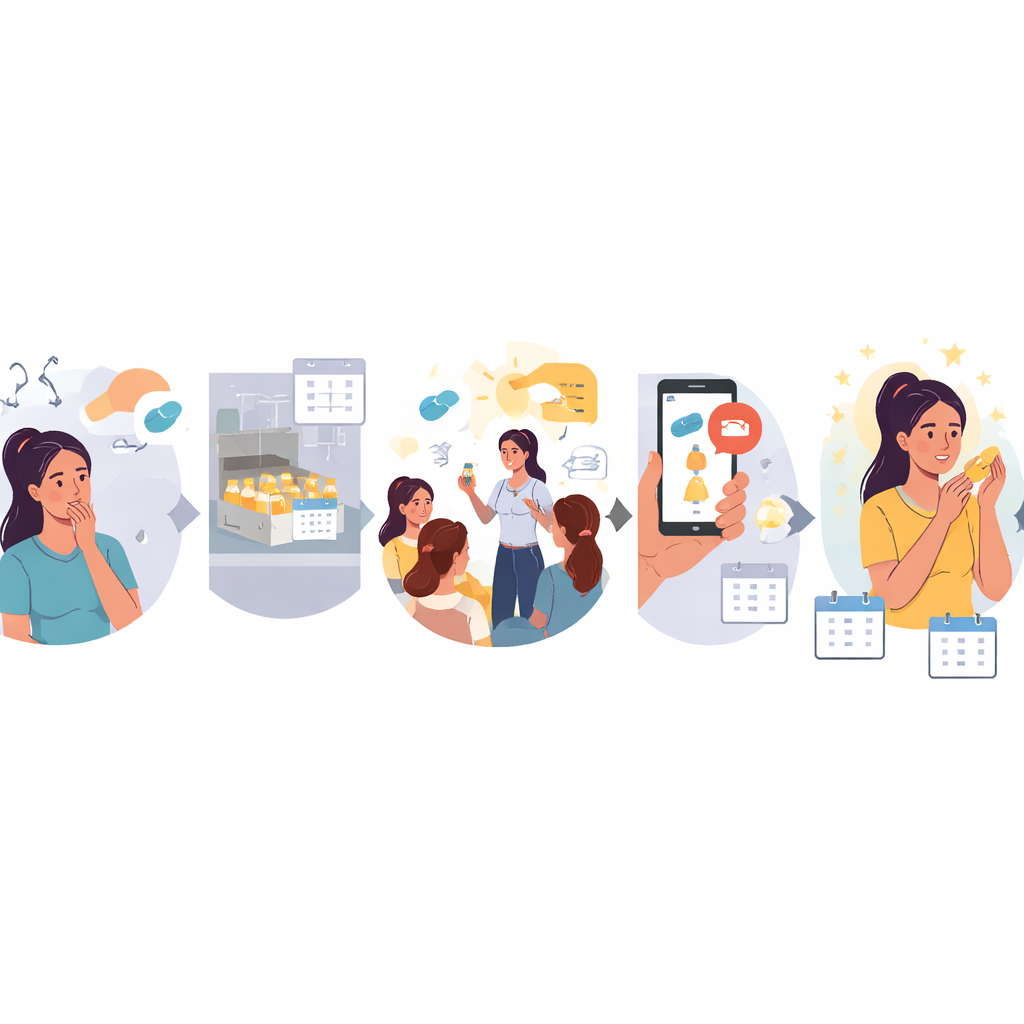
To see whether this campaign truly changed behavior, the researchers compared two separate dormitories: one received the full program and the other served as a control group. A total of 224 female students took part. Before anything started, both groups answered detailed questionnaires based on a psychology framework known as the Theory of Planned Behavior, which measures attitudes, social pressure, confidence in carrying out a behavior, and intention to act. At this starting point, the groups were alike in their views and habits. Over the next month, the intervention dormitory received free supplements, group education, and frequent digital reminders, while the control dormitory received no special activities.
What the campaign achieved
After just one month, the differences were striking. Almost all students in the intervention dormitory—about 92%—reported taking their vitamin D supplements regularly, compared with only about 12% in the control dormitory. Measures of attitude toward supplements, sense that important people approved of taking them, confidence in being able to stick with the habit, and intention to continue all rose significantly in the intervention group. The improvements were not limited to a particular age subgroup; younger and older students benefited in similar ways. Supplement distribution logs helped confirm that students actually picked up their pills, supporting the self-reported data.
What this means for health promotion
The study shows that when vitamin D use is approached as a thoughtfully designed campaign that removes real-world barriers, rather than as a one-time information session, student behavior can change dramatically—at least in the short term. However, the researchers caution that they only tracked outcomes for one month and relied largely on self-reports rather than blood tests, so it remains unclear how long the new habits will last or how much they improve vitamin D levels in the body. Even so, the work offers a practical roadmap for universities and health planners: combine free access, convenient delivery, and tailored communication in student settings to boost preventive behaviors. Similar strategies could be adapted for other health goals, such as improving diet, increasing physical activity, or encouraging regular screening exams.
Citation: Mansourkhani, Z.A., Jowshan, MR., Roustaei, N. et al. SMART model-based social marketing intervention to improve vitamin d supplementation adherence in female university students: a quasi-experimental mixed-methods study. Sci Rep 16, 13490 (2026). https://doi.org/10.1038/s41598-026-42836-x
Keywords: vitamin D supplementation, social marketing, university students, health behavior change, women’s health