Clear Sky Science · en
Stigma, discrimination and associated determinants among people living with HIV/AIDS accessing Anti-Retroviral Therapy in Ikeja, Lagos state, Nigeria
Why This Matters to Everyday Life
HIV is no longer the death sentence it once was, thanks to powerful medicines that can keep people healthy for decades. Yet in many places, the greatest threat people living with HIV face is not the virus itself, but how they are treated by others. This study, carried out in Ikeja, an urban district of Lagos in Nigeria, looks closely at how stigma and discrimination still shadow the lives of people on life-saving HIV treatment and shows which social and economic forces make that burden heavier or lighter.
Life with HIV in a Busy City
The researchers focused on Ikeja because it is a crowded economic and health hub, with several clinics that provide free or subsidized HIV drugs known as antiretroviral therapy (ART). They surveyed 400 adults living with HIV who were already on treatment, using detailed questionnaires and a well-established stigma scale. Most participants were in their 20s to 40s, nearly half were married, and almost three-quarters had completed university. Despite this relatively high level of schooling, many still had modest or unstable incomes, mirroring the economic pressures of urban life in Nigeria.
What Stigma Looks and Feels Like
Stigma in this study took many everyday forms. Over a third of participants said they had been treated differently by healthcare workers because of their HIV status, and about two in five reported hurtful attitudes from family or friends. Nearly half had felt ashamed or judged for having HIV, and almost a third had endured verbal abuse or insults. Many also described being left out of social events, religious activities, or even family gatherings. Fear of being “found out” was intense: about two-thirds said this fear affected whether they revealed their status to others. Although the authors classified the overall level of measurable stigma as “low” using their scoring system, its impact was far from minor—more than 64% believed it harmed their mental well-being, and about 40% said it made it harder to get HIV care.
Hidden Forces Behind Unfair Treatment
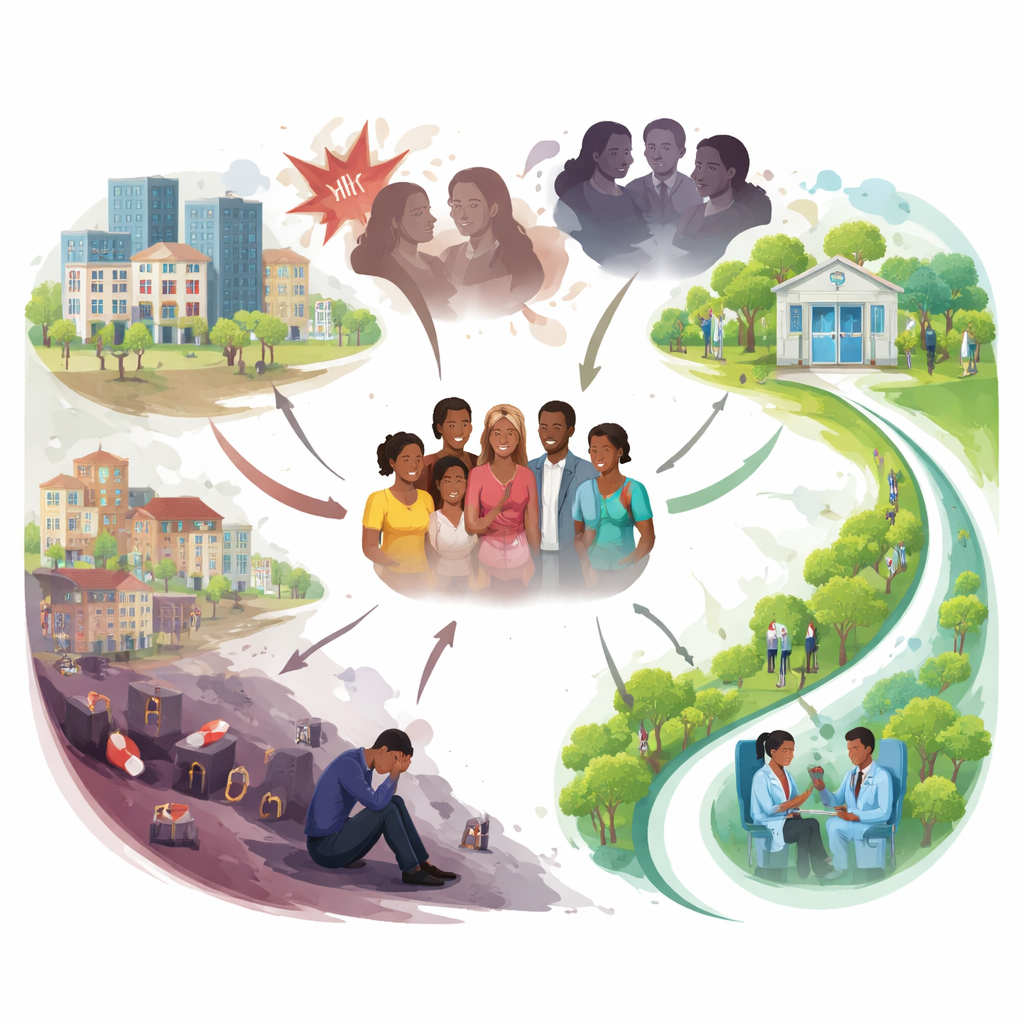
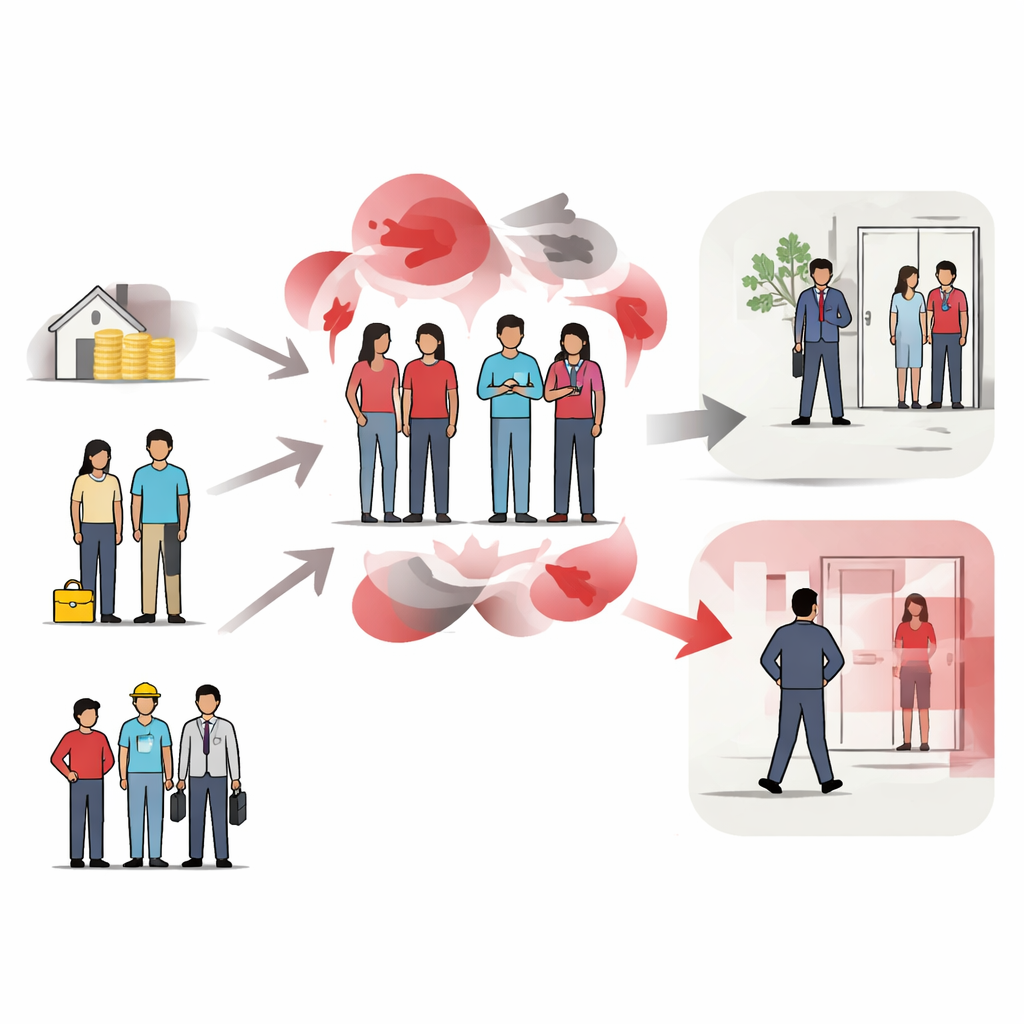
Digging deeper, the study showed that stigma and discrimination are not random; they are shaped by age, income, relationships, and work. Younger adults in their 20s and 30s were significantly more likely to report feeling stigmatized, perhaps because of stricter expectations around sexuality and morality for this age group. People with very low incomes faced much higher levels of stigma and discrimination, while those earning more were better shielded—suggesting that poverty magnifies vulnerability. Having a partner who was also HIV-positive often meant more understanding at home, whereas those with a partner who was HIV-negative or whose status was unknown navigated more tension and judgment. Certain jobs, especially manual or informal work, were tied to higher discrimination, pointing to how workplace culture and job insecurity can make people with HIV particularly exposed.
Mind, Community, and the Health System
The findings highlight how stigma seeps into both inner life and public spaces. Personal shame and negative self-image rose in step with how strongly people felt singled out by others. Experiences in the community and media—such as gossip, moralizing religious messages, or frightening portrayals of HIV—fed a sense of being devalued. At the same time, the clinic, which should be a safe haven, was sometimes a source of hurt. Many participants believed that unfriendly or judgmental attitudes from health workers discouraged people from seeking care or sticking with treatment. Yet there were also signs of hope: most respondents thought education and awareness programs could significantly reduce stigma, and many had already seen positive effects from outreach efforts.
What Needs to Change
To a layperson, the core message of this research is straightforward: HIV can be medically controlled, but social wounds still run deep. In Ikeja, stigma and discrimination continue to undermine mental health, strain relationships, and keep some people from fully benefiting from treatment that could give them long, healthy lives. The authors argue that solutions must work on several fronts at once—stronger enforcement of anti-discrimination rules, better training for health workers, economic support for people living with HIV, and community education that challenges myths about how HIV is passed on. By tackling both unfair attitudes and the poverty and insecurity that make people more exposed to judgment, cities like Lagos can move closer to a future where living with HIV is simply a manageable health condition, not a social sentence.
Citation: Ali, G.S., Ogwuche, A.O., Entonu, A.I. et al. Stigma, discrimination and associated determinants among people living with HIV/AIDS accessing Anti-Retroviral Therapy in Ikeja, Lagos state, Nigeria. Sci Rep 16, 13523 (2026). https://doi.org/10.1038/s41598-026-37218-2
Keywords: HIV stigma, discrimination, Nigeria, antiretroviral therapy, mental health