Clear Sky Science · en
Comparison of portable devices with standard glaucoma diagnostic testing for the detection of glaucoma for the purposes of glaucoma case finding in low-and middle- income countries
Why early eye checks matter
Glaucoma is a silent thief of sight that often goes unnoticed until serious damage has already occurred. This is especially problematic in low and middle income countries, where many people live far from specialist eye clinics. This study, carried out in Nigeria, asked a simple but important question: can small, portable eye test tools safely bring glaucoma checks closer to where people live and work?
New tools for checking eye health
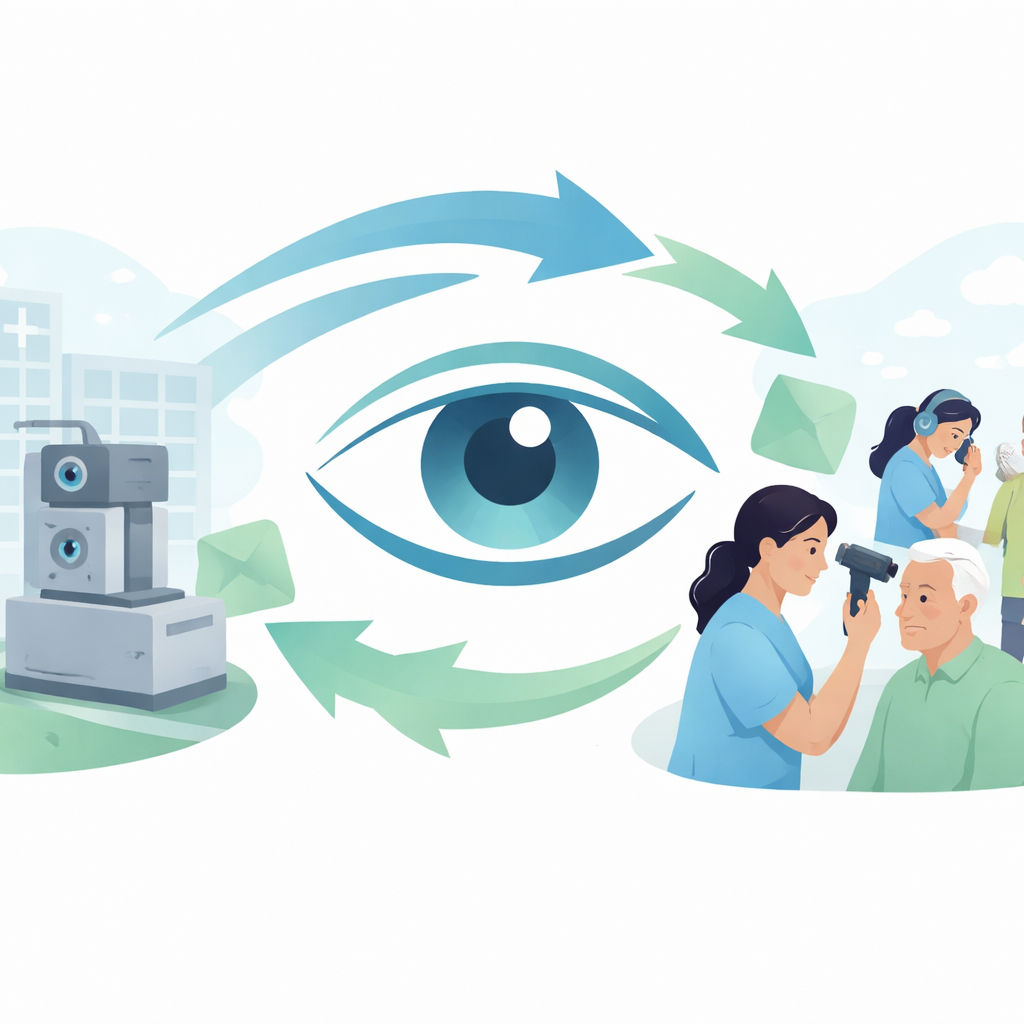
The researchers focused on a set of pocket sized or handheld devices that can test key aspects of eye health. These tools measure how clearly a person can see, how well they see faint contrasts, how their side vision is working, the pressure inside the eye, and the appearance of the optic nerve at the back of the eye. Each portable tool was paired with a standard hospital machine, and both were used on the same people during routine clinic visits at a large teaching hospital in Abuja, Nigeria.
How the study was carried out
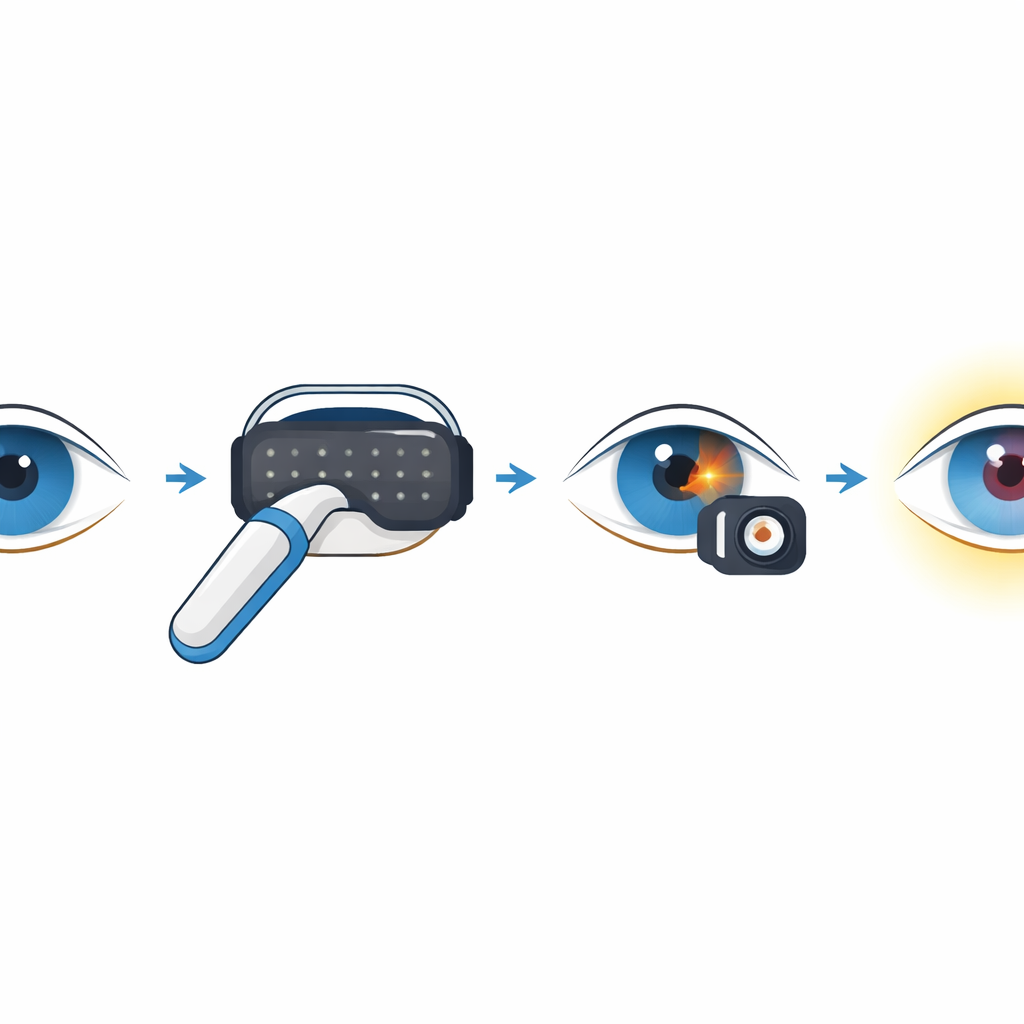
More than 300 adults attending the eye clinic, plus some of their companions, took part. They moved through a series of stations, each run by trained staff. At one station, vision was checked using both a wall chart and a smartphone app. At another, contrast sensitivity was tested using a paper chart and a phone app. Side vision was measured with a large standard machine and a virtual reality style headset. The pressure inside the eye was checked with both a gentle handheld probe and the usual tabletop device. Finally, pictures of the optic nerve were taken with a small camera that clips onto a phone and compared with a specialist’s view through a slit lamp microscope.
How well the portable tests matched hospital tools
Overall, the portable tools agreed well with the standard tests. The tightest match was seen for eye pressure and optic nerve images. Readings from the handheld pressure device were very close to those from the clinic’s gold standard machine. The phone based fundus camera, which also contains built in software to judge the size of the optic nerve cup, closely matched the specialist’s own assessment through the slit lamp. Measures of vision and contrast from the phone apps also tracked the paper charts fairly well, though the contrast app struggled to separate people with glaucoma from those without. The headset based side vision test showed only moderate agreement with the standard machine, suggesting it is better suited to screening than to making a firm diagnosis on its own.
Spotting eyes that may have glaucoma
The team then asked which portable readings were best at flagging eyes that likely had glaucoma, based on strict criteria from the standard tests. The star performer was the phone based fundus camera: using a simple cut off in the size of the optic nerve cup, it correctly classified almost all eyes and was particularly strong at ruling out disease. Combining tests, such as pairing optic nerve pictures with the headset side vision test or with eye pressure readings, also worked well and slightly boosted the balance between catching cases and avoiding false alarms. In contrast, contrast sensitivity from the phone app did not help in picking out glaucoma in this group.
What this means for people at risk
For patients, the portable devices were quicker, more comfortable, and strongly preferred over the bulky clinic machines. They were easy to complete, rarely needed special drops, and can run on battery power, making them suitable for use outside major hospitals. The study shows that carefully chosen portable tools, especially the handheld fundus camera used alone or together with other simple tests, can closely mirror hospital grade glaucoma checks. For people living in underserved areas, this opens the door to earlier detection and referral using equipment that can travel to them rather than the other way around.
Citation: Garba, F., Kyari, F., Burton, M. et al. Comparison of portable devices with standard glaucoma diagnostic testing for the detection of glaucoma for the purposes of glaucoma case finding in low-and middle- income countries. Eye 40, 1057–1066 (2026). https://doi.org/10.1038/s41433-026-04297-4
Keywords: glaucoma screening, portable eye devices, low resource settings, optic nerve imaging, visual field testing