Clear Sky Science · en
The potential of whole genome sequencing in pharmacogenetics: a retrospective health record study in rare disease patients
Why your DNA matters for everyday medicines
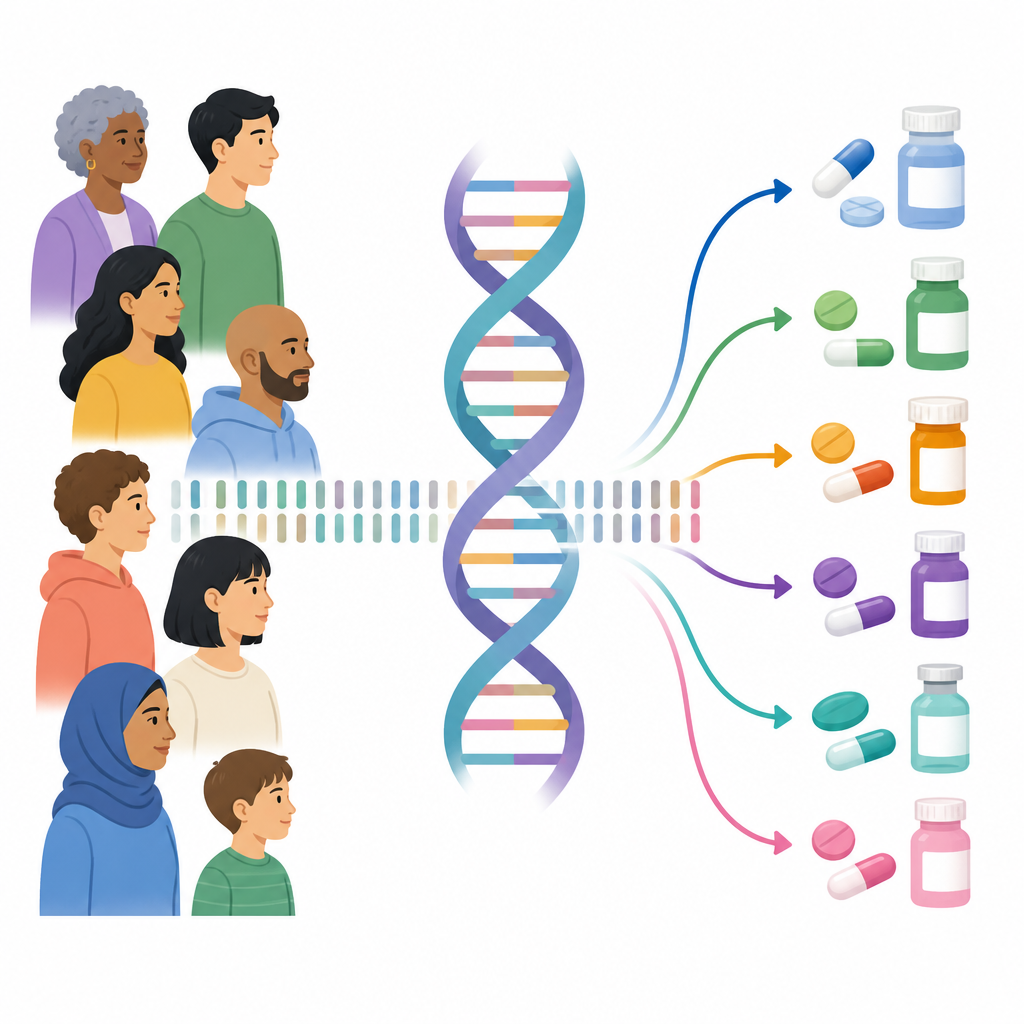
Many people have had the experience of a drug that does not work as expected or causes strong side effects. This study asks a simple but important question: if doctors could routinely read a person’s entire DNA, could they use that information to choose safer and more effective medicines, especially for people with complex, long term illnesses?
Looking at whole genomes already on file
The research team focused on pharmacogenetics, the study of how our genes influence the way we process medicines. Instead of ordering new tests just for drug response, they took advantage of whole genome sequencing that had already been done for 1,000 people being tested for rare diseases, along with some of their relatives. These patients often take many drugs over their lives, so they are a good group in which to explore the value of DNA guided prescribing. From the full set of DNA data, the team calculated which versions of key drug related genes each person carried and linked this to existing treatment guidelines.
Finding genetic clues that could change treatment
The scientists examined 12 genes that are known to affect how the body handles common medicines such as painkillers, stomach acid blockers, antidepressants and blood thinners. They then checked electronic health records for 359 people whose medication histories were available. The results were striking: 97 percent of all 1,000 participants had at least one genetic variant that current guidelines say could justify adjusting a drug choice or dose. Among those with prescription data, about one in three had actually received at least one medicine for which their personal genetic profile would recommend a change in therapy or closer monitoring.
Hidden changes that simpler tests may miss
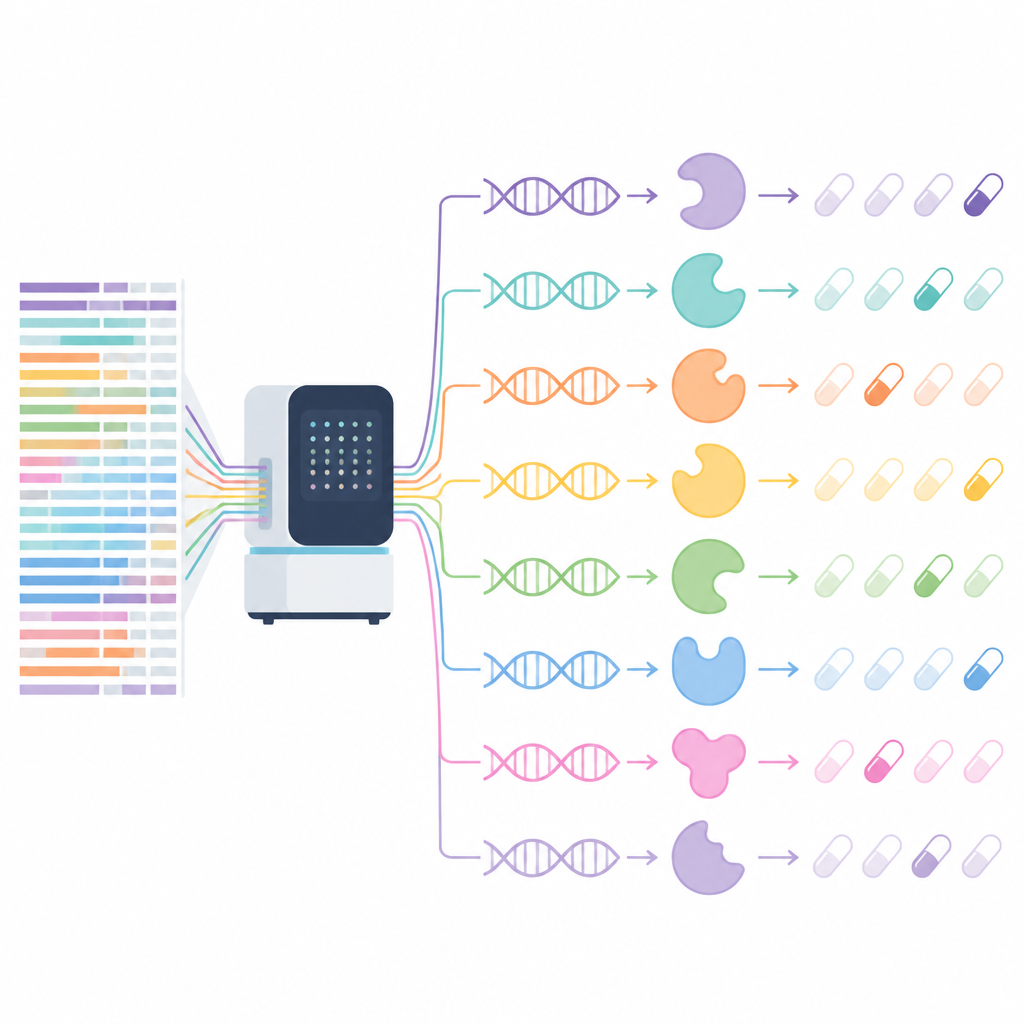
Standard genetic tests usually look only at a fixed list of well known variants. Whole genome sequencing, by contrast, captures the entire DNA sequence and can reveal rarer changes and structural quirks such as missing or duplicated stretches of a gene. In this study, the team used the full genome data to search for these less obvious alterations in 34 drug related genes, then concentrated on the 12 with clear prescribing advice. They found that 29 people carried either rare disruptive variants or larger missing or extra pieces of these genes. In nearly a third of those cases, this extra information would have changed how doctors classify the person’s drug handling type and could have led to different treatment advice.
Why rare disease patients are a special case
People with rare diseases often see many specialists, undergo repeated testing and receive multiple long term prescriptions. For them, reusing existing whole genome data for drug guidance could be especially helpful. The study shows that with only modest extra analysis effort, the same genome that helped diagnose a rare condition can also flag medicines that may be less safe or less effective for that person. This avoids the need for separate panel tests each time a new drug is considered and keeps the door open to reanalysis as new gene–drug links are discovered.
What this means for future medical care
The authors conclude that using whole genome data for pharmacogenetic testing could benefit many patients, even though the most cost efficient way to roll this out still needs to be worked out. Almost everyone in the study carried genetic differences that matter for drug treatment, and a notable share had already been given medicines that guidelines suggest should be adjusted based on their DNA. While rare and complex genetic changes were less common, they sometimes changed the recommended therapy in important ways. Together, these findings support a future in which a single, comprehensive reading of a person’s DNA can be reused throughout life to help doctors choose safer, more tailored medicines.
Citation: Gorny, M., Just, K.S., Krüger, T. et al. The potential of whole genome sequencing in pharmacogenetics: a retrospective health record study in rare disease patients. Eur J Hum Genet 34, 691–703 (2026). https://doi.org/10.1038/s41431-026-02025-w
Keywords: pharmacogenetics, whole genome sequencing, drug response, rare disease, personalized medicine