Clear Sky Science · en
Associations of the Mediterranean diet during pregnancy with impaired glucose tolerance and gestational diabetes: A national prospective cohort study in Lebanon
Why This Study Matters for Expectant Mothers
Pregnancy places unique demands on a woman’s body, especially on how it handles sugar in the blood. High blood sugar can lead to gestational diabetes or milder problems called impaired glucose tolerance, both of which affect the health of mother and baby. This study followed hundreds of pregnant women across Lebanon to ask a timely question: can a traditional Lebanese Mediterranean-style diet, along with healthy weight gain and lower stress, help protect against blood sugar problems during pregnancy?
A Closer Look at Lebanese Mothers-to-Be
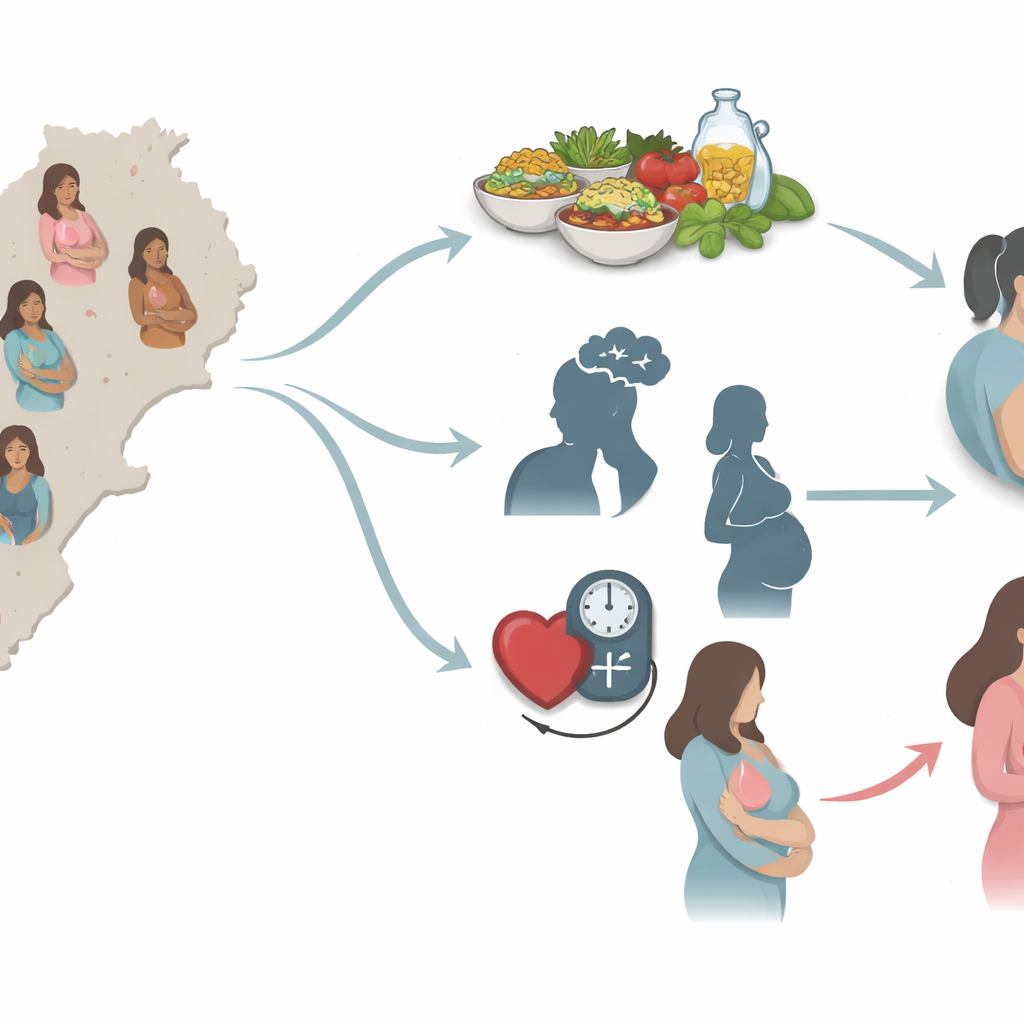
Researchers tracked 618 pregnant women from all six major regions of Lebanon from early pregnancy until birth. Most women began pregnancy at a healthy weight, but nearly one in three were overweight or obese. Very few smoked, yet the vast majority were sedentary, and more than two-thirds gained more weight than medical guidelines recommend. Blood sugar was checked in early and late pregnancy, and doctors diagnosed gestational diabetes in the middle of pregnancy using standard glucose tests. At the same time, the team repeatedly measured diet, stress, sleep, mood, blood pressure, and other health markers.
What They Found About Blood Sugar Problems
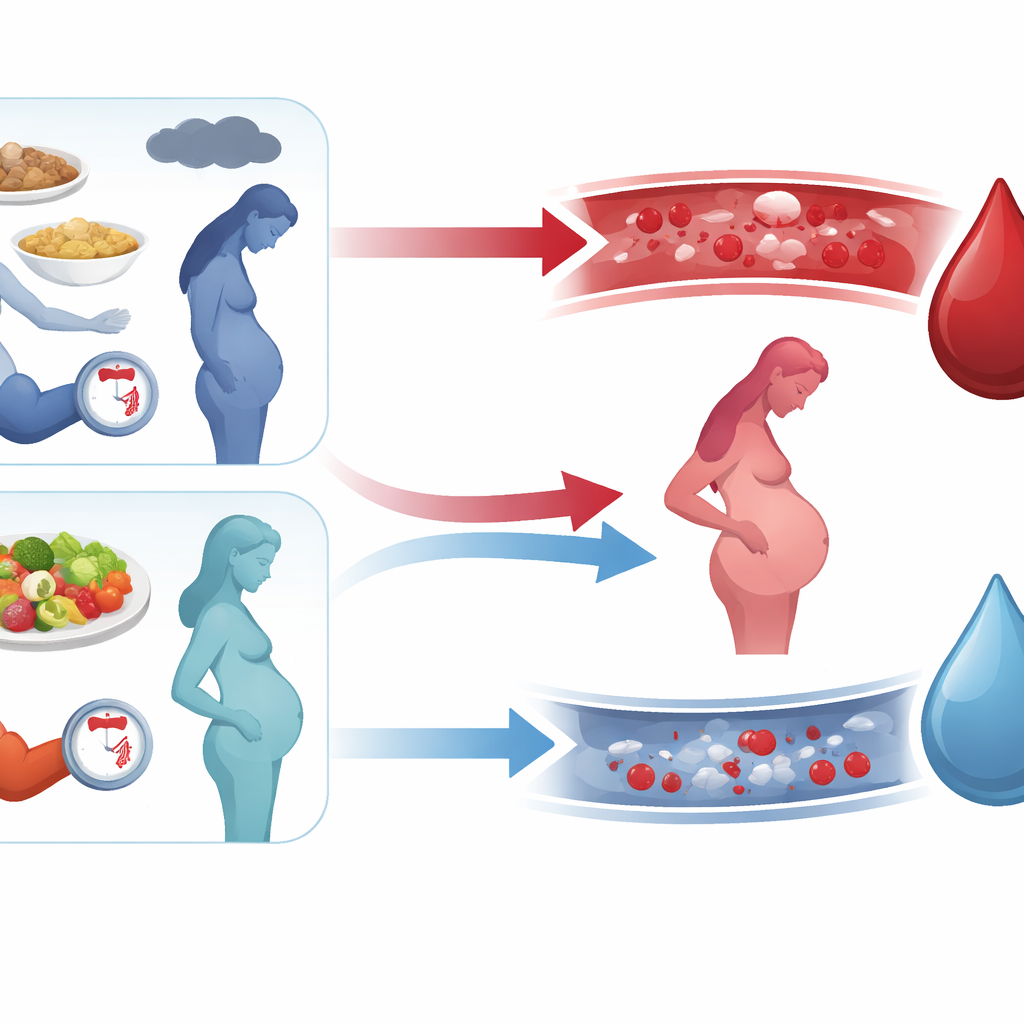
Only 5.6% of women developed gestational diabetes, a lower rate than reported in many neighboring countries. However, milder elevations in fasting blood sugar were much more common. Impaired glucose tolerance affected about 17% of women early in pregnancy and rose to roughly one in four by the third trimester. Many of the women who eventually developed gestational diabetes had already shown higher fasting blood sugar in the first trimester, suggesting that subtle problems can appear long before a formal diagnosis.
Diet, Stress, Weight Gain, and Blood Pressure
The study paid special attention to the Lebanese Mediterranean diet, a version of the classic Mediterranean pattern that highlights vegetables, fruits, olive oil, legumes, burghul (cracked wheat), dairy products, eggs, and dried fruits. Surprisingly, overall adherence to this diet pattern did not clearly reduce the risk of either gestational diabetes or impaired glucose tolerance. Most women already followed this way of eating fairly closely, which may have limited the ability to detect differences. Instead, other factors stood out: women with a family history of diabetes, excessive weight gain in mid-pregnancy, and higher mean arterial pressure—a refined measure of blood pressure—had a significantly higher chance of developing gestational diabetes.
When Specific Foods and Stress Make a Difference
Looking more closely at individual foods revealed nuanced patterns. In the first trimester, higher intakes of burghul and legumes were linked to a greater chance of impaired fasting blood sugar, likely reflecting a higher overall carbohydrate load in already energy-dense diets. By contrast, in the third trimester, women who ate more vegetables had a lower risk of impaired glucose tolerance. Vegetables are low in calories and sugars but rich in fiber and protective plant compounds, which may help steady blood sugar. Psychological factors also played a role: high perceived stress in early pregnancy raised the odds of impaired blood sugar, even after accounting for other influences. Poor sleep and depression, however, did not show clear connections in this group, possibly because many women reported relatively good mood throughout pregnancy.
What This Means for Expectant Mothers
This national study suggests that for pregnant women in Lebanon—and likely in similar settings—protecting blood sugar is about more than following a broadly healthy traditional diet. Early screening for family history of diabetes, careful monitoring of blood pressure, and keeping weight gain within recommended ranges appear especially important. Moderating portions of starchy foods such as burghul and legumes in early pregnancy, while emphasizing generous vegetable intake later on, may further support healthy blood sugar levels. Finally, addressing stress during pregnancy is not only important for emotional well-being but may also help keep blood sugar in check. Together, these findings point toward practical, trimester-specific advice that clinicians can offer to help mothers and babies start life on a healthier path.
Citation: Hage Boutros, P., Bassil, M., El Hayek Fares, J. et al. Associations of the Mediterranean diet during pregnancy with impaired glucose tolerance and gestational diabetes: A national prospective cohort study in Lebanon. Eur J Clin Nutr 80, 397–406 (2026). https://doi.org/10.1038/s41430-026-01708-3
Keywords: gestational diabetes, Mediterranean diet, pregnancy nutrition, stress in pregnancy, Lebanon cohort study