Clear Sky Science · en
Association of the phase angle with type 2 diabetes and related traits: results from two prospective KORA studies
Why a simple body scan may flag diabetes risk
Doctors and fitness enthusiasts increasingly use quick electrical scans to estimate body fat and muscle. One number from these scans, called the “phase angle,” reflects how healthy and well-hydrated our cells are. This study asked a practical question: can that same number also give early warning of type 2 diabetes, long before blood sugar tests turn abnormal? Using long-term data from thousands of adults in Germany, the researchers uncovered a surprising, stage-by-stage pattern linking this cell-health marker to the development of diabetes.
Measuring cell health with a gentle current
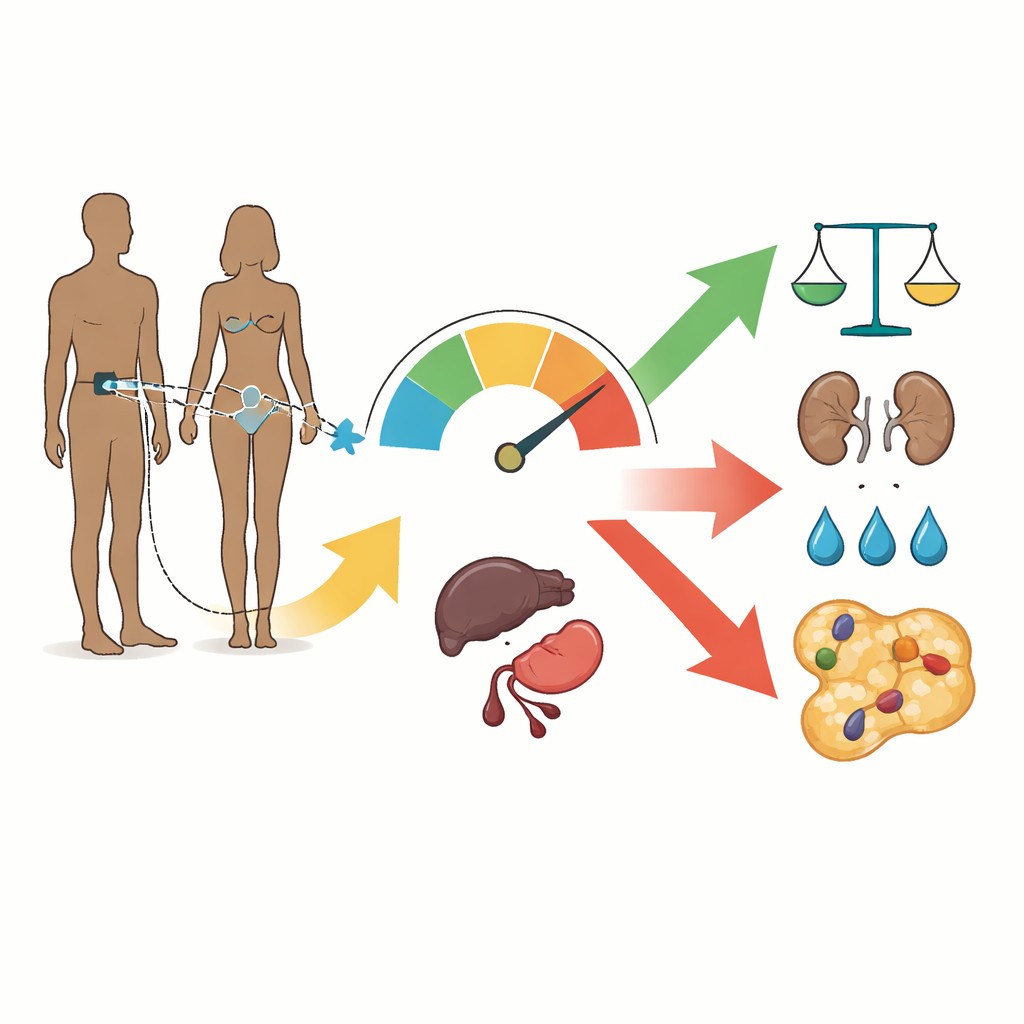
Phase angle comes from bioelectrical impedance analysis, a method where a very weak electrical current is passed through the body. Because water, muscle, fat, and cell membranes conduct electricity differently, the measurement can be turned into a number that reflects how much living cell mass we have and how intact those cells are. Higher values usually suggest more muscle and better cell integrity, while lower values point to cell damage, swelling, or loss of tissue. The appeal is that this test is non-invasive, quick, and already widely used in clinics, gyms, and research centers.
Following thousands of people over many years
The researchers used two large population studies from the Augsburg region in southern Germany, together known as KORA. More than 7,000 adults aged 25 to 74 had their phase angle measured at the start. Some already had type 2 diabetes, and the rest were followed for up to 16 years to see who developed diabetes or earlier disturbances in blood sugar (prediabetes). In a smaller subgroup of older adults, the team also performed repeated sugar tolerance tests and detailed blood measurements over about 10 years, allowing them to track subtle changes in glucose handling and insulin function over time.
Higher cell-health scores predicted future diabetes
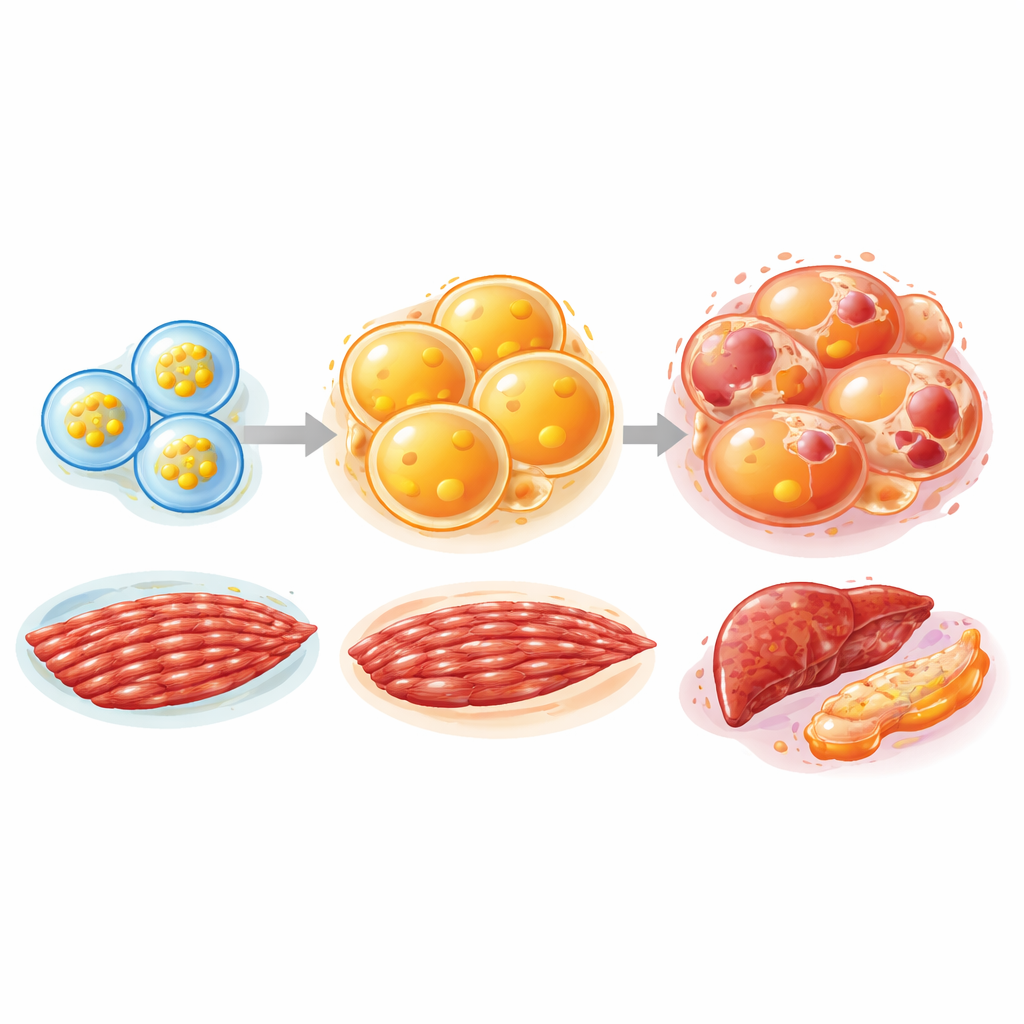
Among people who were free of diabetes at the beginning, those with higher phase angle values were more likely to go on to develop type 2 diabetes or prediabetes during follow-up. A one-degree increase in phase angle was linked to roughly one-third higher risk of developing these conditions, even after accounting for age, waist size, lifestyle, blood pressure, and cholesterol. In the subgroup with repeat testing, higher phase angle at baseline also went hand-in-hand with slightly higher fasting blood sugar, greater insulin resistance, and a faster rise in sugar levels after a test drink over the following decade. These links suggest that when cells appear “stronger” by this measure in otherwise healthy people, they may actually be signaling an early, metabolically stressed state rather than robust health.
Lower scores in people with established diabetes
The picture flipped when the team looked cross-sectionally at people who already had type 2 diabetes at the start of the study. Men with diabetes showed lower phase angle values than men without diabetes, hinting at long-term damage to cells, shifts in body water, and muscle loss that can accompany years of poor blood sugar control. This sex-specific difference did not appear in women, possibly because of differing body fat patterns, muscle mass, hormones, or simply fewer women with long-standing diabetes in the dataset. Together, the results support a “U-shaped” journey: phase angle may rise during the early, insulin-resistant stage, then fall as diabetes progresses and tissues become harmed.
What this means for everyday health checks
For a layperson, the key takeaway is that the same quick body scan often used to estimate fat and muscle may also carry hidden information about diabetes risk. A higher phase angle is not automatically good news: in people without diagnosed diabetes, it may flag a body that is metabolically overworked, with more muscle and fat storing excess energy and resisting insulin. Years later, if diabetes develops and cell damage accumulates, the phase angle may drop. The authors argue that, with more research and repeated measurements over time, this simple electrical marker could become a low-cost way to spot early trouble in glucose control, especially in settings where advanced lab testing is harder to access.
Citation: Ai, F., Huemer, MT., Rathmann, W. et al. Association of the phase angle with type 2 diabetes and related traits: results from two prospective KORA studies. Nutr. Diabetes 16, 11 (2026). https://doi.org/10.1038/s41387-026-00425-x
Keywords: phase angle, bioelectrical impedance, type 2 diabetes, insulin resistance, prediabetes