Clear Sky Science · en
Psychometric properties of the Chinese version of the adolescent Distress-Eustress Scale (ADES) in healthy adolescents and adolescents with mood disorders
Why Teen Stress Comes in Two Flavors
Parents, teachers, and teens themselves often see stress only as something harmful. Yet stress can also sharpen focus, build confidence, and help young people grow. This study introduces and tests a Chinese version of a short questionnaire that measures both sides of stress—harmful strain and helpful challenge—among teenagers in school and in mental health treatment. By showing that this tool works well in China, the researchers hope to give families, schools, and clinicians a clearer picture of how teens experience stress and who may need extra support.
Stress That Hurts and Stress That Helps
During adolescence, young people juggle school pressure, family expectations, friendships, and worries about the future. These pressures can lead to distress—feelings such as panic, being overwhelmed, or racing thoughts—that are closely tied to anxiety and depression. But the same pressures can also spark eustress, a kind of positive tension that makes teens feel motivated, determined, and proud of what they achieve. Earlier research and most existing questionnaires focused mainly on distress, missing this more encouraging side of stress. The Adolescent Distress–Eustress Scale (ADES), first developed overseas, was designed specifically to capture both sides in young people aged around 12 to 20.
Bringing a Global Tool into Chinese Classrooms and Clinics
To make the ADES suitable for Chinese teenagers, the research team followed a careful translation and cultural adaptation process. Experts in psychiatry, psychology, nursing, and pediatrics translated the items, checked the wording, and adjusted phrases so that common Chinese expressions and school realities were reflected. A small pilot group of healthy students and adolescents with mood disorders then tried out the draft version. They reported that the questions were easy to understand and not too burdensome, taking only a few minutes to answer. This groundwork laid the foundation for a large-scale test of how well the Chinese ADES actually measured what it claimed to measure. 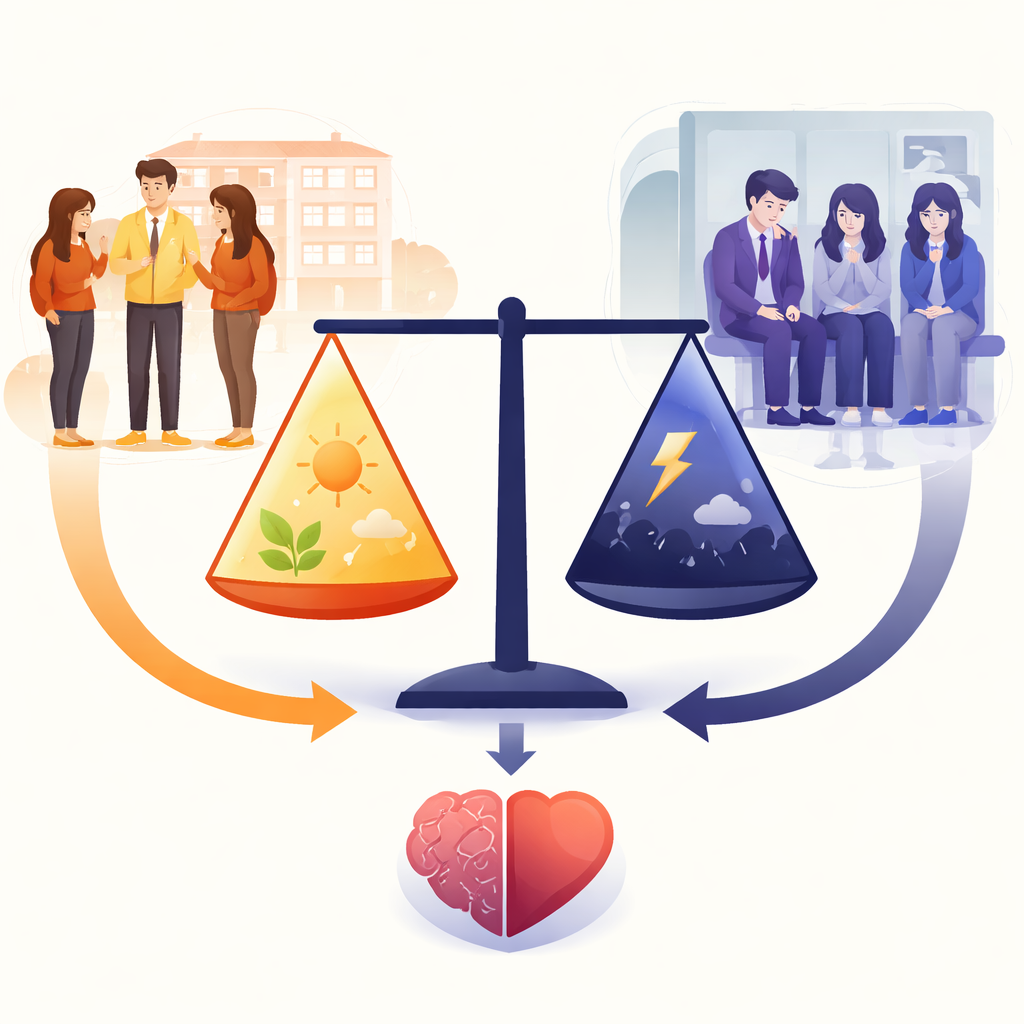
Testing the Scale in Everyday Schools and a Hospital
The main study involved two large groups: 359 students from middle and high schools in Guangzhou and Ningxia, and 356 adolescents receiving care for mood disorders at a mental health center. All participants completed the Chinese ADES, which has ten questions—five about distress and five about eustress—along with a standard questionnaire that measures depression, anxiety, and stress symptoms. Using several statistical techniques, the authors showed that the Chinese ADES kept the original two-part structure, with items clustering cleanly into distress and eustress. The scale showed strong internal consistency, meaning that items within each part worked well together, and it gave similar results when a subset of teens completed it again two weeks later.
What the Numbers Reveal About Teen Experiences
The patterns of scores painted a clear picture. Healthy adolescents tended to report higher eustress and lower distress, suggesting they more often see challenges as chances to grow. In contrast, adolescents with mood disorders scored much higher on distress and lower on eustress, reflecting a tendency to feel overwhelmed and to get less positive energy from the same kinds of events. The distress scores were strongly linked with depression and anxiety symptoms in both groups, supporting the idea that the scale taps into meaningful aspects of mental health. More advanced analyses showed that the questionnaire worked similarly for boys and girls and across school and hospital settings, meaning results can be fairly compared between these groups. 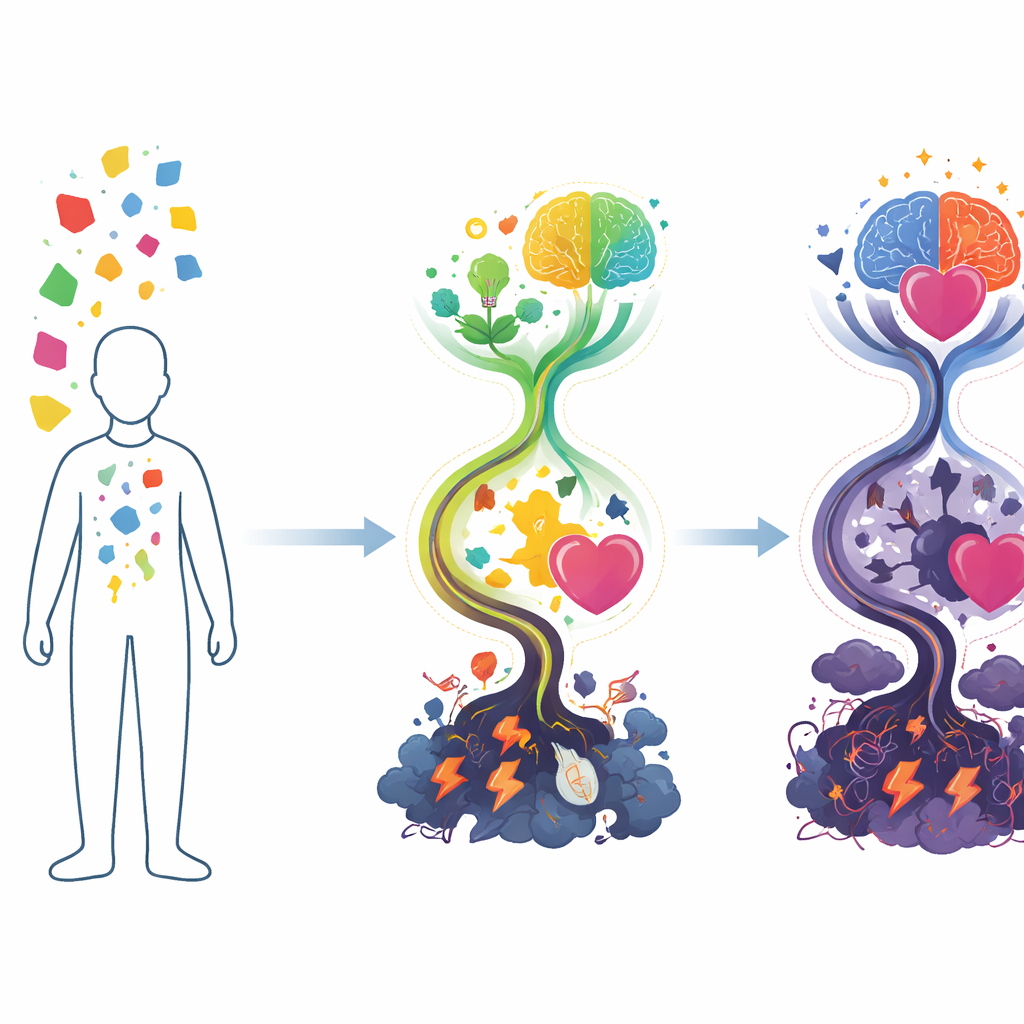
How This Tool Can Help Teens Get the Right Support
For a layperson, the study’s main message is straightforward: stress in teens is not only about damage; it can also be a source of strength. The Chinese version of the ADES offers a quick, reliable way to tell whether a teenager mainly feels crushed by pressure or energized by it—or some mix of both. Schools can use this information to spot students who are slipping from helpful challenge into harmful strain, while clinics can better track how young patients respond to treatment. Over time, this two-sided view of stress may guide more personalized education and mental health programs that reduce distress, nurture eustress, and help Chinese adolescents navigate a demanding world with greater resilience.
Citation: Tan, L., Jing, Y., Ma, R. et al. Psychometric properties of the Chinese version of the adolescent Distress-Eustress Scale (ADES) in healthy adolescents and adolescents with mood disorders. Humanit Soc Sci Commun 13, 511 (2026). https://doi.org/10.1057/s41599-026-06819-7
Keywords: adolescent stress, eustress and distress, Chinese teenagers, mental health screening, psychological assessment