Clear Sky Science · en
The influence of green food certification on customer engagement behaviour: the mediating roles of perceived value and perceived authenticity
Why Green Labels on Food Matter
From supermarket shelves to online grocery apps, more and more foods carry green-looking labels that hint at safety, health, and environmental care. But do these labels do more than nudge people to buy? This study looks at how official "green food" certification in China not only influences what people think of these products, but also how actively they talk about them, recommend them, and get involved with brands and policies. In other words, it explores how a small symbol on a package can help build a culture of sustainable eating.
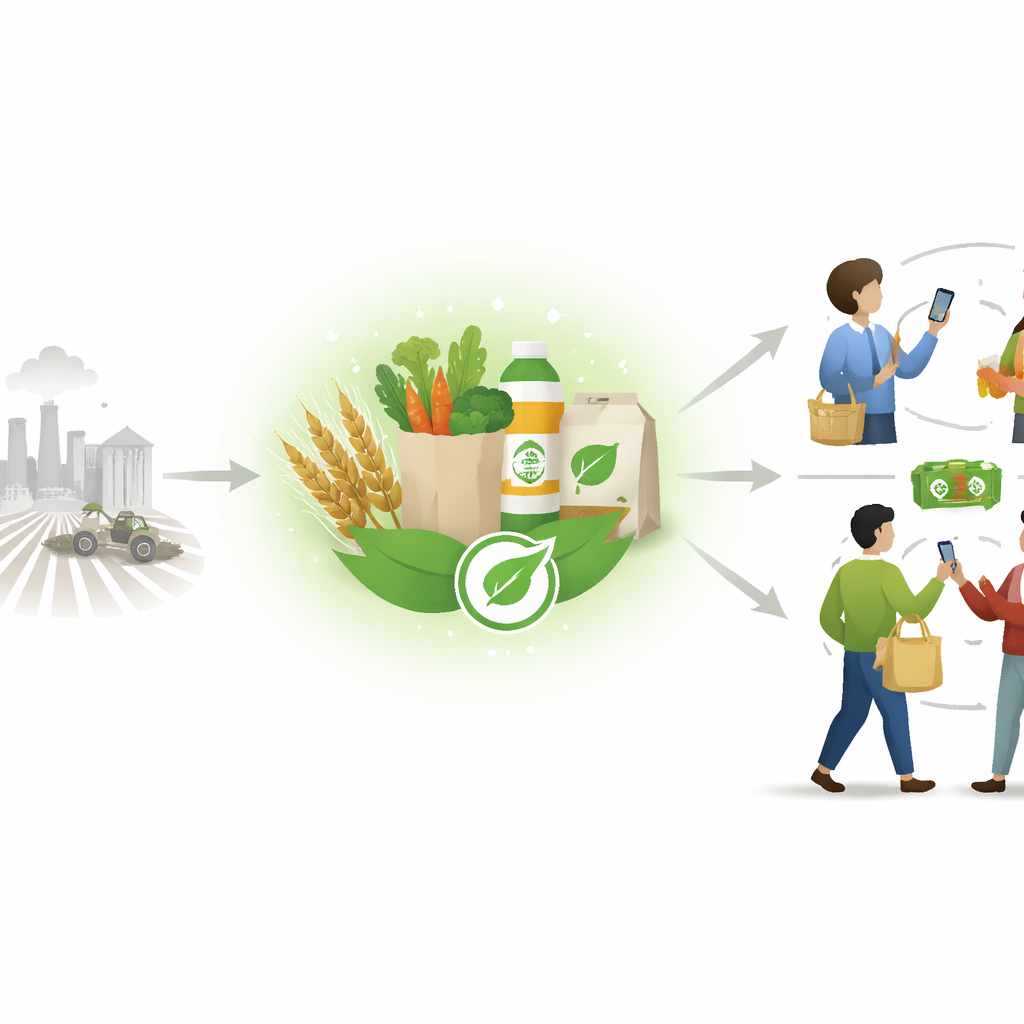
From Farm to Symbol: What Green Certification Is
China has pushed hard for greener agriculture and safer food, aiming for low‑carbon, eco‑friendly products to become the market norm by 2030. Green food certification is one tool in this push. To earn it, food producers must meet strict standards on farming conditions, chemical use, and quality control. The certification mark then serves as a quick signal that a product is safer, healthier, and less harmful to the environment. This label helps close the information gap between producers and shoppers, who cannot easily see how their food was grown or processed.
Beyond Buying: How Shoppers Get Involved
Most earlier research focused on how such labels affect what people buy. This study goes further, examining "customer engagement"—all the ways consumers participate beyond making purchases. That includes talking about products with others, sharing experiences online, making suggestions to companies, and supporting or questioning certification systems. The researchers argue that these behaviors are vital: engaged customers can pressure companies to stay green, spread trust in certification, and help shape a more sustainable food market.
What Goes On in the Mind: Value and Authenticity
The team surveyed 302 food consumers in Shandong Province, a major grain‑producing region in China. Using statistical models, they tested how green certification affects two key feelings: perceived value and perceived authenticity. Perceived value is the sense that the product is worth its price because it offers health, quality, and environmental benefits. Perceived authenticity is the feeling that the green label is real and trustworthy, not just a marketing trick. The study found that certification boosts both of these perceptions, and in turn, both value and authenticity encourage people to engage more deeply—sharing, recommending, and participating rather than remaining passive buyers.
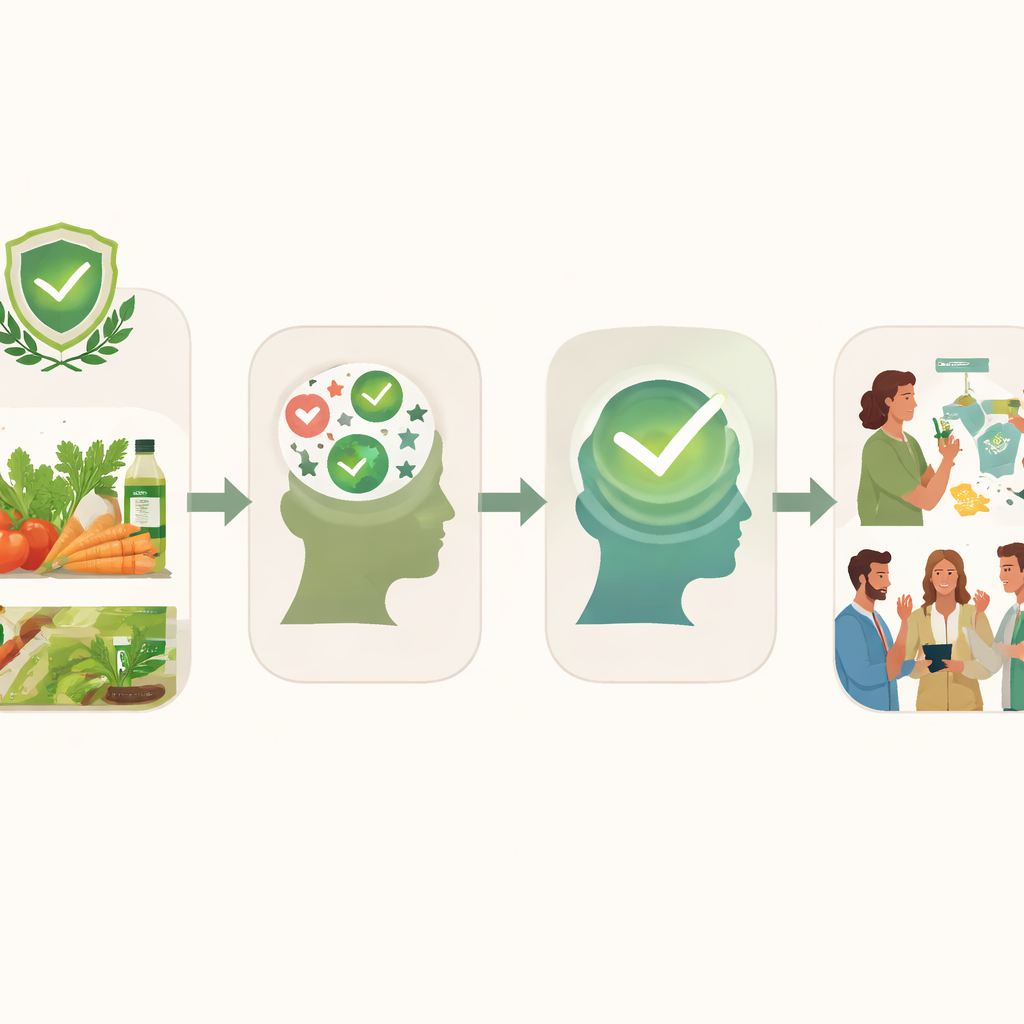
Who and What Strengthens the Effect
The study also looked at what strengthens or weakens these effects. When the certifying body is seen as highly authoritative and professional, the label does more to increase the perceived value of green food, though it does not significantly change feelings of authenticity. Interestingly, age, income, education, and gender did not make much difference: people across groups responded to certification in broadly similar ways. Price tolerance, however, mattered. Consumers who are more willing to pay higher prices are more likely to turn their sense of value into real engagement—such as recommending green products or staying loyal to certified brands.
What This Means for Shoppers and Society
The authors conclude that green food certification is more than a badge that pushes sales. When done credibly, it helps people feel that green products are both worthwhile and genuine, which in turn sparks them to speak up, share, and support sustainable producers. For policymakers, this means that trustworthy, transparent certification systems can become a powerful engine for greener consumption. For companies, investing in robust certification and clearly communicating what it stands for can help build a community of engaged customers who champion both the brand and a healthier environment.
Citation: Wen, D., Liang, X., Yu, Y. et al. The influence of green food certification on customer engagement behaviour: the mediating roles of perceived value and perceived authenticity. Humanit Soc Sci Commun 13, 479 (2026). https://doi.org/10.1057/s41599-026-06817-9
Keywords: green food certification, consumer trust, sustainable consumption, customer engagement, food labeling