Clear Sky Science · en
Empowering digital inclusion: internet skills, usage, and self-efficacy as determinants of economic satisfaction among unemployed people
Why Online Know‑How Matters for Job Seekers
As more of everyday life moves onto screens, being offline can feel like being shut out of opportunity. For young people in Saudi Arabia who have finished university but not yet found work, the internet can be a powerful bridge to jobs, income, and a sense of control over their future. This study asks a simple but urgent question: which specific online skills, and what kind of confidence in using them, actually help unemployed people feel more secure and satisfied with their economic situation?
From Internet Access to Real‑World Benefits
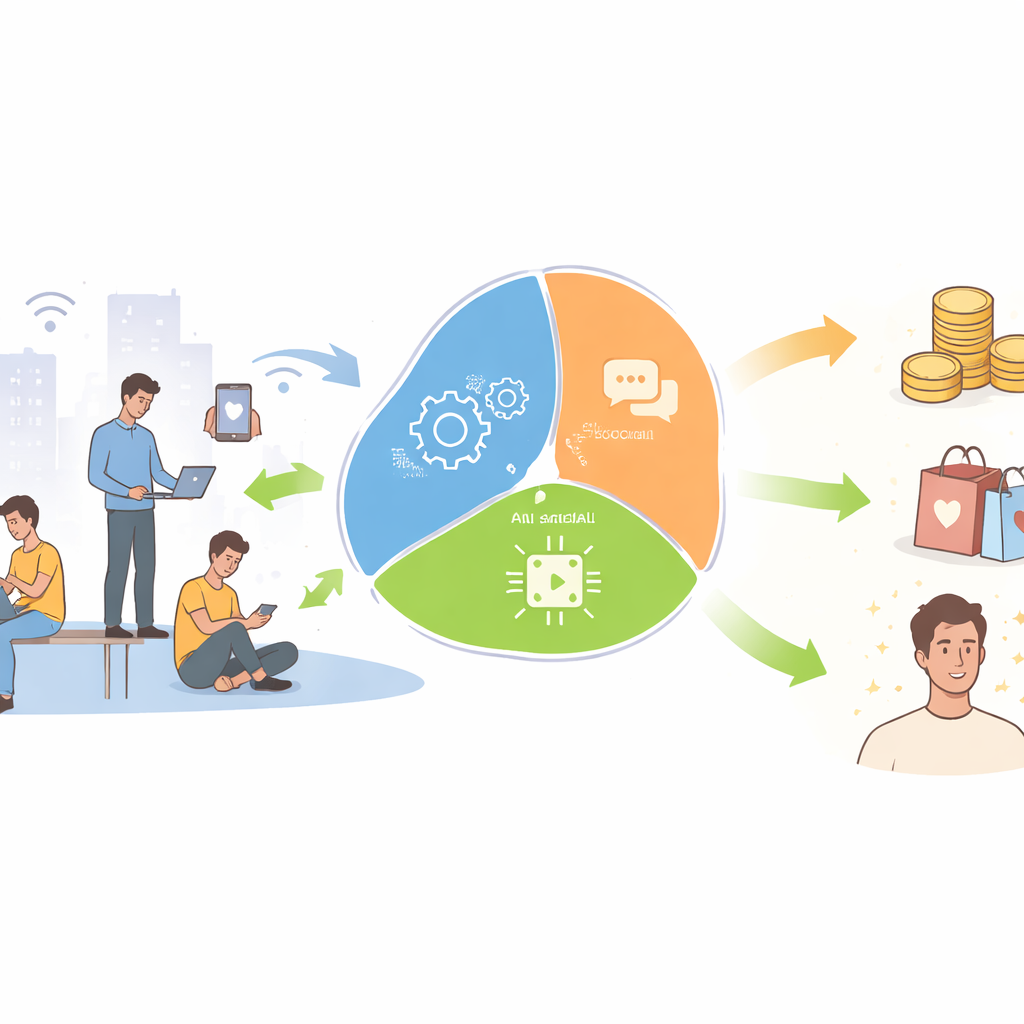
Saudi Arabia has invested heavily in digital infrastructure and ranks among the global leaders in online public services. Yet high‑speed connections alone do not guarantee that people will turn clicks into paychecks. Building on digital inclusion theory and self‑efficacy theory, the authors argue that two things matter most: having the right mix of internet skills, and believing you can use those skills effectively. Digital inclusion is not just about cables and smartphones; it is about whether people can use the internet to search for jobs, build networks, manage money, and explore new income sources.
The Study: Young Graduates in a Digital Economy
To explore these ideas, the researchers surveyed 314 recent graduates from a Saudi public university’s business college, most of whom were unemployed or in temporary work. All were heavy internet users, often online for six hours a day or more. The survey measured five kinds of internet skills—basic operational, information‑navigation, social, creative, and artificial‑intelligence‑related skills—as well as how often participants used the internet for economic activities, how confident they felt online (internet self‑efficacy), and how satisfied they were with their financial situation. Using statistical modeling, the team examined which skills actually translated into economic internet use and, in turn, into economic satisfaction.
Which Online Skills Really Count
The results reveal a surprisingly selective picture. Basic operational skills, such as managing accounts or using web browsers, clearly supported economic internet use. Social internet skills—using online platforms to communicate, network, and manage contacts—also made a meaningful difference, as did skills for using artificial‑intelligence tools like smart job platforms or automated assistants. In contrast, information‑navigation skills and creative skills, such as producing online content, did not show a significant impact on using the internet for economic purposes in this group. This suggests that for unemployed graduates, the most valuable abilities are those that help them handle everyday online tasks, connect with others, and tap into new AI‑driven tools, rather than simply searching for information or creating digital media.
Confidence as the Missing Link
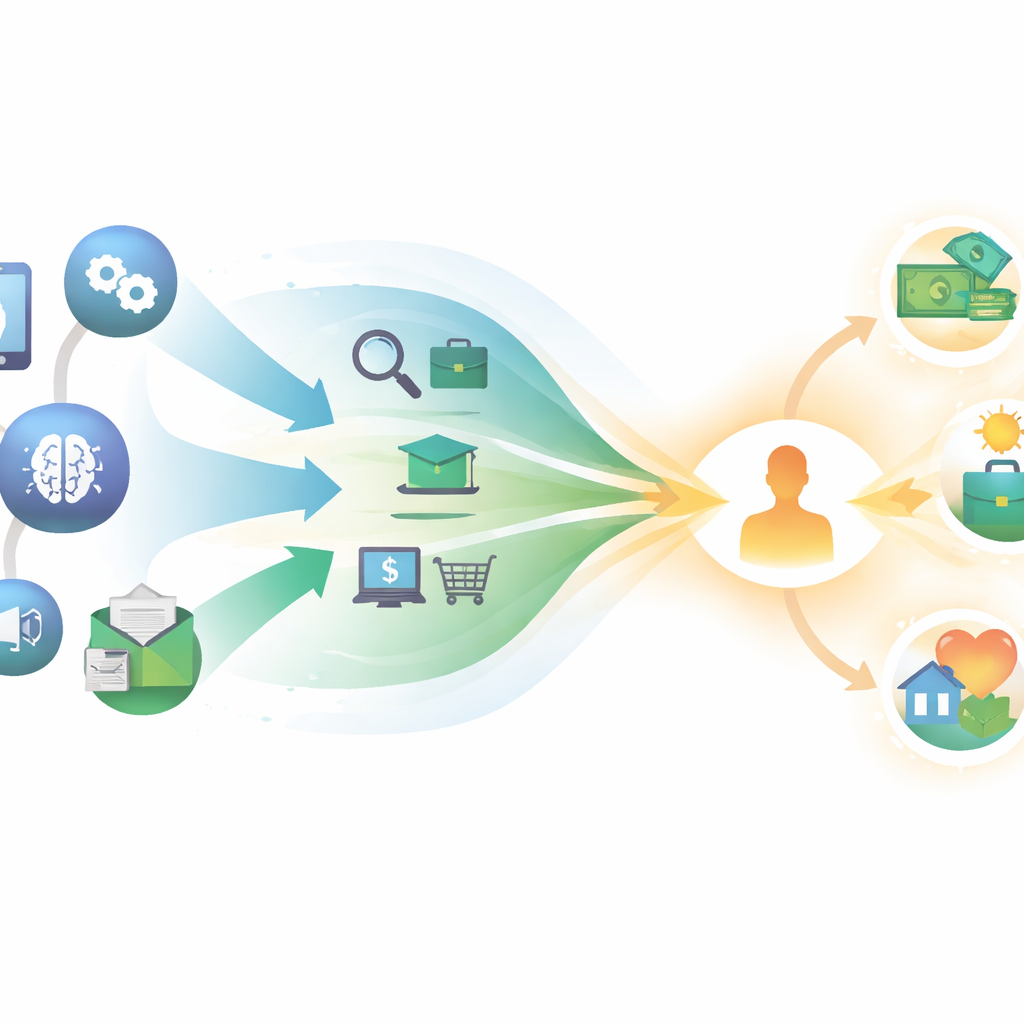
The study also shows that how people feel about their abilities online can be just as important as the skills themselves. Using the internet for economic activities—job hunting, online courses, freelancing, or e‑commerce—was strongly linked to higher internet self‑efficacy, meaning people became more confident the more they successfully used these tools. That growing confidence, in turn, was closely tied to greater economic satisfaction: participants who felt more capable online tended to feel better about their financial situation, even while still unemployed. Crucially, internet self‑efficacy acted as a bridge between economic internet use and economic satisfaction, helping explain why some earlier studies found mixed results for internet use alone.
Turning Digital Use into Economic Well‑Being
In everyday terms, this research shows that not all screen time is equal. For unemployed young adults in Saudi Arabia, specific practical skills—handling basic online tasks, building and managing digital relationships, and making use of AI‑powered tools—are the ones that most help them use the internet to improve their economic prospects. When these skills are paired with growing confidence, job seekers are more likely to feel financially safer and more hopeful about the future. The authors conclude that well‑designed digital inclusion programs, focused on these targeted skills and on building self‑belief, can play a real role in reducing unemployment and supporting more sustainable economic satisfaction in a rapidly digitizing society.
Citation: Goaill, M.M., Alfalah, A.A., Al-Mamary, Y.H. et al. Empowering digital inclusion: internet skills, usage, and self-efficacy as determinants of economic satisfaction among unemployed people. Humanit Soc Sci Commun 13, 475 (2026). https://doi.org/10.1057/s41599-026-06678-2
Keywords: digital inclusion, internet skills, unemployment, self-efficacy, economic satisfaction