Clear Sky Science · en
Syndemics of complex risk factors in adolescents: findings from the youth risk behavior survey, 2021
Why Teen Health Risks Rarely Travel Alone
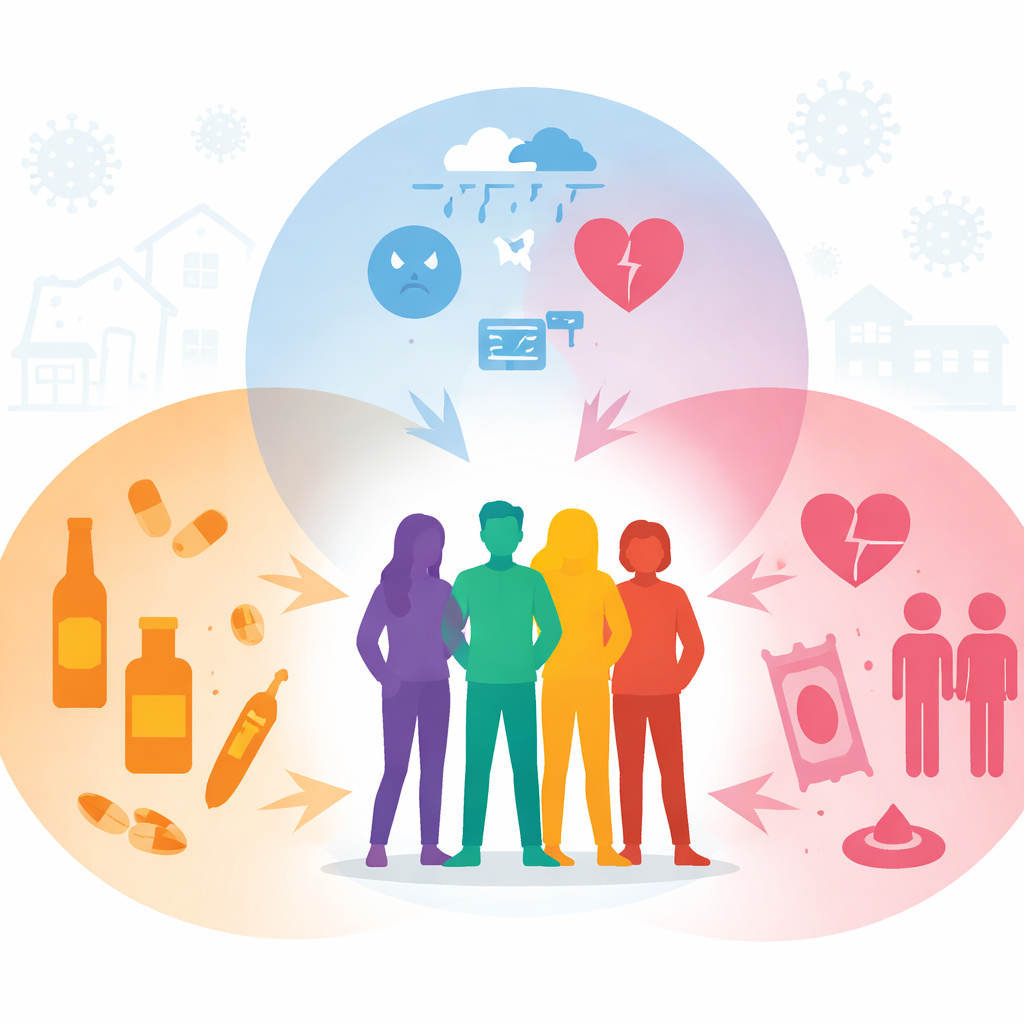
Many teenagers do not face just one health challenge at a time. Stress from school, worries about the future, alcohol or drug use, sex, and the emotional fallout of the COVID-19 pandemic can pile up and feed into each other. This study looks at how these problems cluster together in real teens across the United States—and which young people are most affected—so parents, educators, and policymakers can design support that matches teens’ actual lives rather than treating each issue in isolation.
Seeing the Bigger Picture of Teen Challenges
The researchers used data from more than 17,000 high school students who completed the U.S. Youth Risk Behavior Survey in 2021, during the COVID-19 pandemic. The survey asked about alcohol, marijuana, cigarettes, and vaping; feelings of depression and suicidal thoughts; sexual behaviors such as condom use and number of partners; and pandemic-related stress, including poor mental health and parent job loss. Instead of examining each behavior separately, the team applied a statistical method that groups teens into "profiles" based on how their answers naturally cluster. This approach, inspired by “syndemic” theory, treats health problems as intertwined and shaped by social and economic conditions, not as isolated bad choices.
Five Different Risk Profiles Among Teens
The analysis revealed five distinct groups. The largest group, labeled low-risk, made up about 41% of students and reported little or no substance use, no sexual activity, and very low levels of depression or suicidal thoughts. A second group, low-risk with COVID distress, also showed little outward risk behavior but very high rates of feeling depressed and thinking about suicide, along with strong emotional strain from the pandemic. A third group, moderate risk experimenters, included teens who had started having sex and tried alcohol or marijuana but showed lower levels of heavy or recent use and more moderate mental health concerns.
When Substance Use, Sex, and Distress Collide
Two smaller groups carried especially heavy burdens. The complex high-risk group—about 15% of the sample—reported frequent recent use of alcohol, marijuana, cigarettes, and e‑cigarettes; early sexual debut; multiple partners; sex while using substances; and low condom use. They also had high levels of depression, suicidal thoughts, and pandemic-related distress, and were more likely to have a parent who lost a job due to COVID-19. Another group, recent polysubstance use with COVID distress, showed similar levels of frequent alcohol, marijuana, and vaping but largely no sexual activity. These teens nevertheless had high rates of depression, suicidal thoughts, and strong emotional impact from the pandemic, suggesting that serious internal struggles can exist even without visible sexual risk behaviors.
Who Ends Up in the Highest-Risk Groups
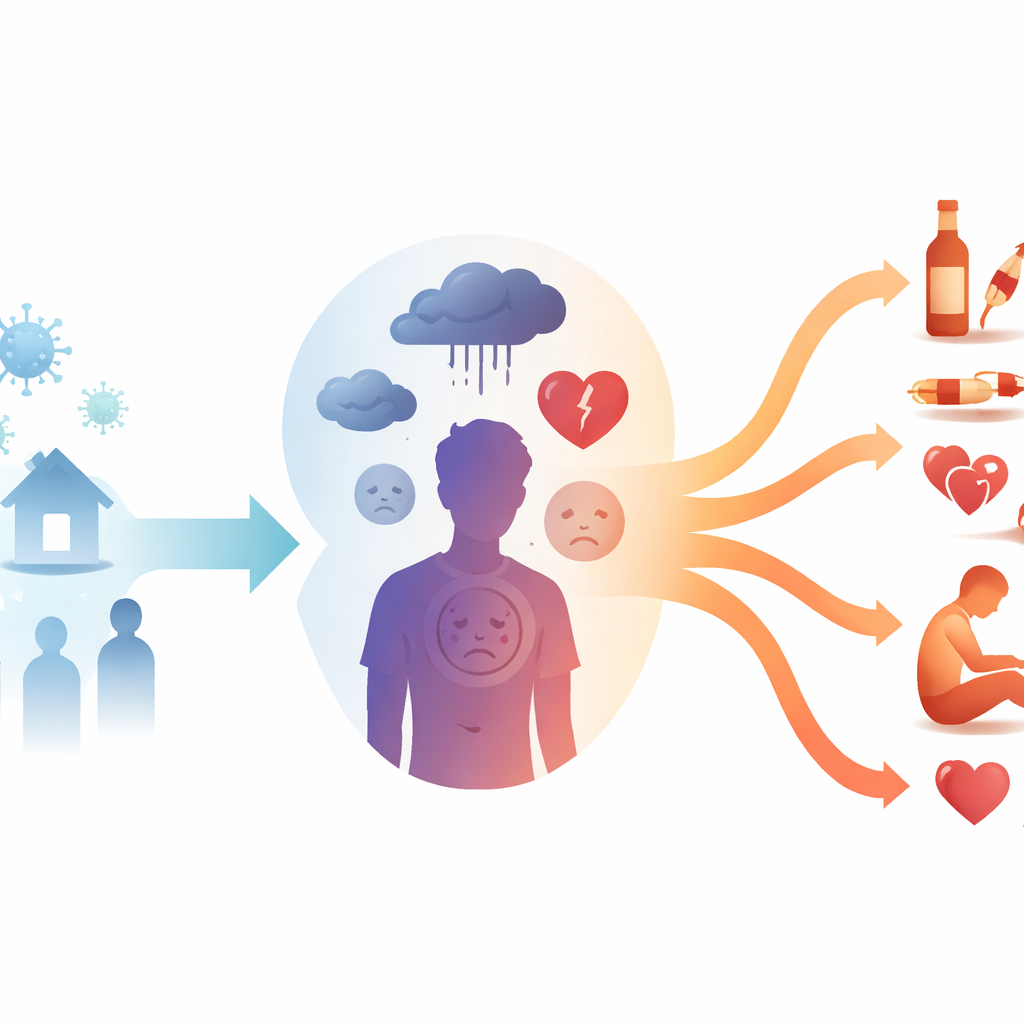
The study also examined which teens were most likely to fall into each profile. Girls and sexual minority youth—those who identify as lesbian, gay, bisexual, or other non-heterosexual identities—were significantly more likely to appear in high-risk and high-distress classes than in the low-risk group. Multiracial Hispanic adolescents were also overrepresented in the most complex risk profile, while Asian students were less likely to be in the highest-risk classes. Older students, particularly 12th graders, tended to show more complex patterns of substance use and sexual risk than 9th graders. These patterns point to layered social and structural pressures, including discrimination, cultural stress, and unequal access to support.
What This Means for Helping Teens
Rather than treating substance use, mental health, and sexual behavior as separate issues, the authors argue that they are part of a single, interacting web shaped by inequality and pandemic disruptions. Their findings suggest that one-size-fits-all programs that focus on just one behavior—like alcohol use alone—are unlikely to reach the teens who need help most. Instead, schools, health systems, and communities should develop integrated, culturally responsive programs that address mood, coping, relationships, and safety at the same time. Special attention is needed for girls, sexual minority youth, and multiracial and Hispanic adolescents, who bear a disproportionate share of combined risks. By taking this broader view, we can move closer to preventing long-term health and social problems that begin in the teenage years.
Citation: Hill, A.V., Grant, M.J., Blake, J. et al. Syndemics of complex risk factors in adolescents: findings from the youth risk behavior survey, 2021. npj Mental Health Res 5, 23 (2026). https://doi.org/10.1038/s44184-026-00203-8
Keywords: adolescent mental health, substance use, sexual risk behavior, COVID-19 stress, syndemic patterns