Clear Sky Science · en
Prenatal famine exposure restricts genetic effects on birth weight with implications for metabolic disease risk
Why the womb shapes lifelong health
Most of us think our health is shaped by our lifestyle and the genes we inherit. This study looks back to an even earlier chapter: life in the womb during a brutal World War II famine in the Netherlands. By following people who were exposed to severe hunger before they were born, the researchers show how a harsh prenatal environment can overpower genetic influences on birth size and leave a lasting mark on blood sugar and body fat decades later.
A natural experiment from a winter of hunger
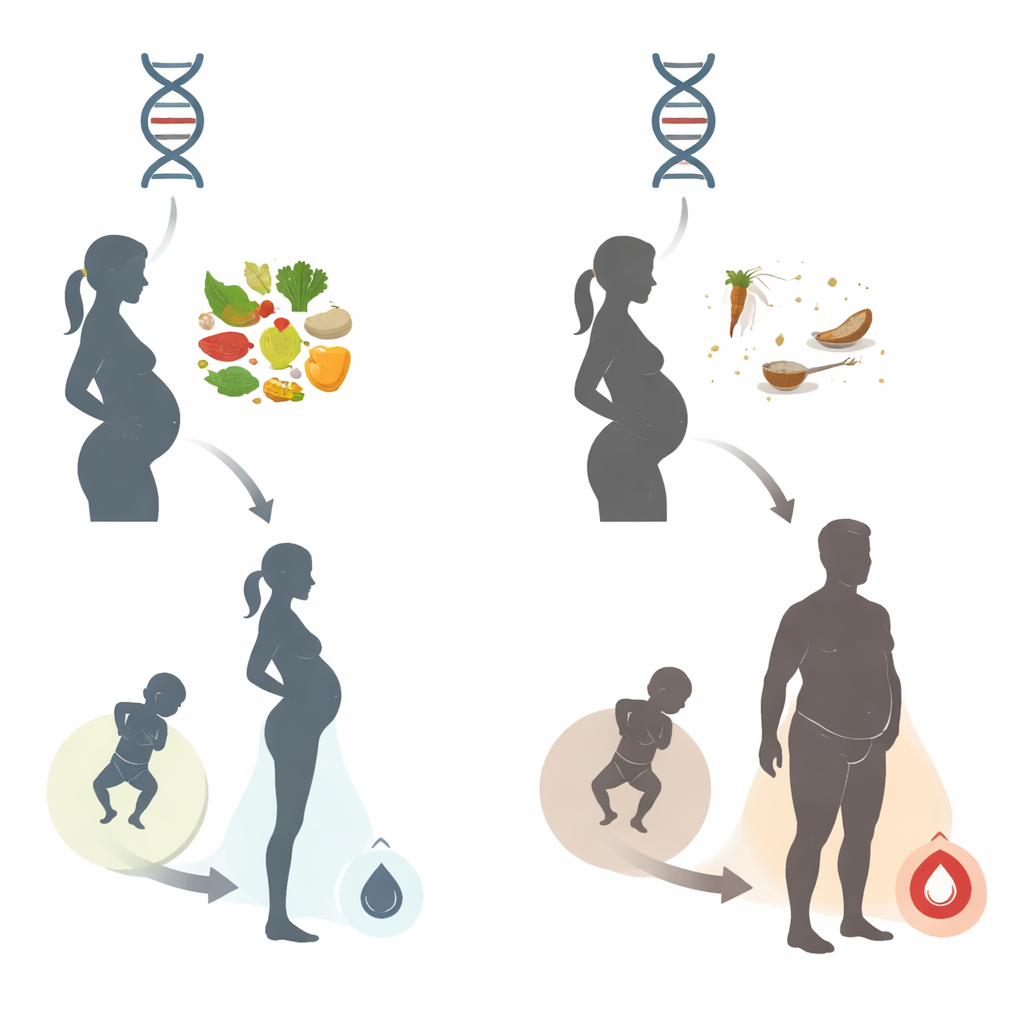
At the end of World War II, a German blockade sharply cut food supplies to parts of the Netherlands. For several months, official food rations for civilians fell far below what is needed for a healthy diet. This tragic episode, known as the Dutch Hunger Winter, created a rare situation in which some pregnant women experienced extreme undernutrition, while others just before or after them had relatively normal diets. Using detailed birth records and later-life health data from nearly 600 people born in the same hospitals, the authors compared those exposed to famine early in pregnancy, those exposed later, and those not exposed at all.
Genes that usually help predict birth size
Scientists now know hundreds of genetic variants that each nudge birth weight slightly up or down. Combined into a single score, called a polygenic index, they can forecast part of a baby’s expected size. In the group of people whose mothers went through pregnancy without famine, this genetic score worked as expected: those with a higher score tended to have higher birth weight, and the score alone explained a meaningful slice of the differences in how heavy babies were at birth. This confirmed that the genetic index was a useful tool in this population.
When extreme hunger silences genetic potential
The story looked very different for people whose mothers were starving during pregnancy, especially during the middle and final months when babies normally gain weight most rapidly. In these famine-exposed groups, genetics had far less sway. Even if someone carried many gene variants linked to higher birth weight, their actual birth size barely reflected this genetic advantage when food was scarce. Late-pregnancy exposure to famine cut average birth weight by about 230 grams compared with unexposed peers, and sharply weakened the link between the genetic score and birth weight. In other words, severe undernutrition in the womb largely overruled the baby’s built-in growth blueprint.
From smaller babies to adult blood sugar and body fat
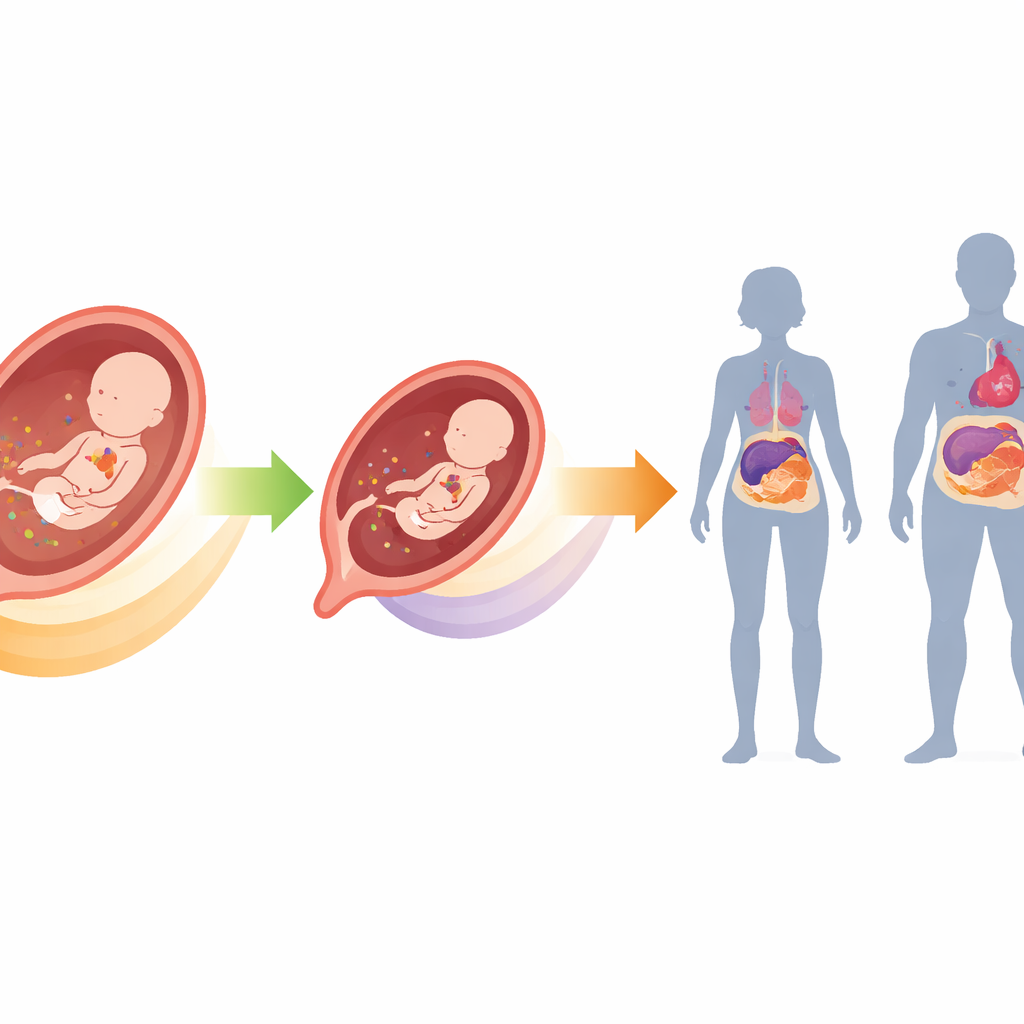
The researchers then asked what this mismatch between “genetic potential” and actual birth size meant for health 60 years later. They compared each person’s observed birth weight to the weight suggested by their genetic score and examined adult fasting blood sugar levels and waist size, both risk markers for diabetes and heart disease. Among those exposed to famine in mid-to-late pregnancy, being born lighter than their genes would predict was linked to higher blood sugar and a larger waist in adulthood. Interestingly, in people who were never exposed to famine, lower-than-expected birth weight tended to go along with a smaller waist, which might normally be beneficial. This contrast suggests that famine exposure not only stunts growth but also changes how birth size relates to later metabolic health.
What this means for mothers, babies, and future health
For a general reader, the key message is that early life conditions can be powerful enough to override our genetic wiring. This study shows that when mothers experience extreme hunger late in pregnancy, it can blunt the usual effect of growth-related genes and set their children on a higher-risk path for problems like high blood sugar and excess belly fat decades later. While such severe famines are rare, the findings underscore how crucial adequate nutrition in pregnancy is—not just for birth outcomes, but for shaping lifelong health.
Citation: Taeubert, M.J., van den Kieboom, K., Zhou, J. et al. Prenatal famine exposure restricts genetic effects on birth weight with implications for metabolic disease risk. Commun Med 6, 209 (2026). https://doi.org/10.1038/s43856-026-01495-9
Keywords: prenatal nutrition, birth weight, Dutch Hunger Winter, metabolic disease, gene–environment interaction