Clear Sky Science · en
Neostigmine versus sugammadex on outpatient recovery among obese patients with obstructive sleep apnea: A randomized controlled trial
Why this matters for people having surgery
Many people who need same day surgery also live with extra weight and obstructive sleep apnea, a condition where breathing repeatedly stops during sleep. These patients can be more sensitive to the drugs used to relax muscles during anesthesia. Doctors have two main medicines to reverse this muscle relaxation at the end of surgery, and one of them is much more expensive. This study asked a simple but important question: does the costlier option actually help these higher risk patients recover faster and breathe better after outpatient surgery?
Two different paths to waking up safely
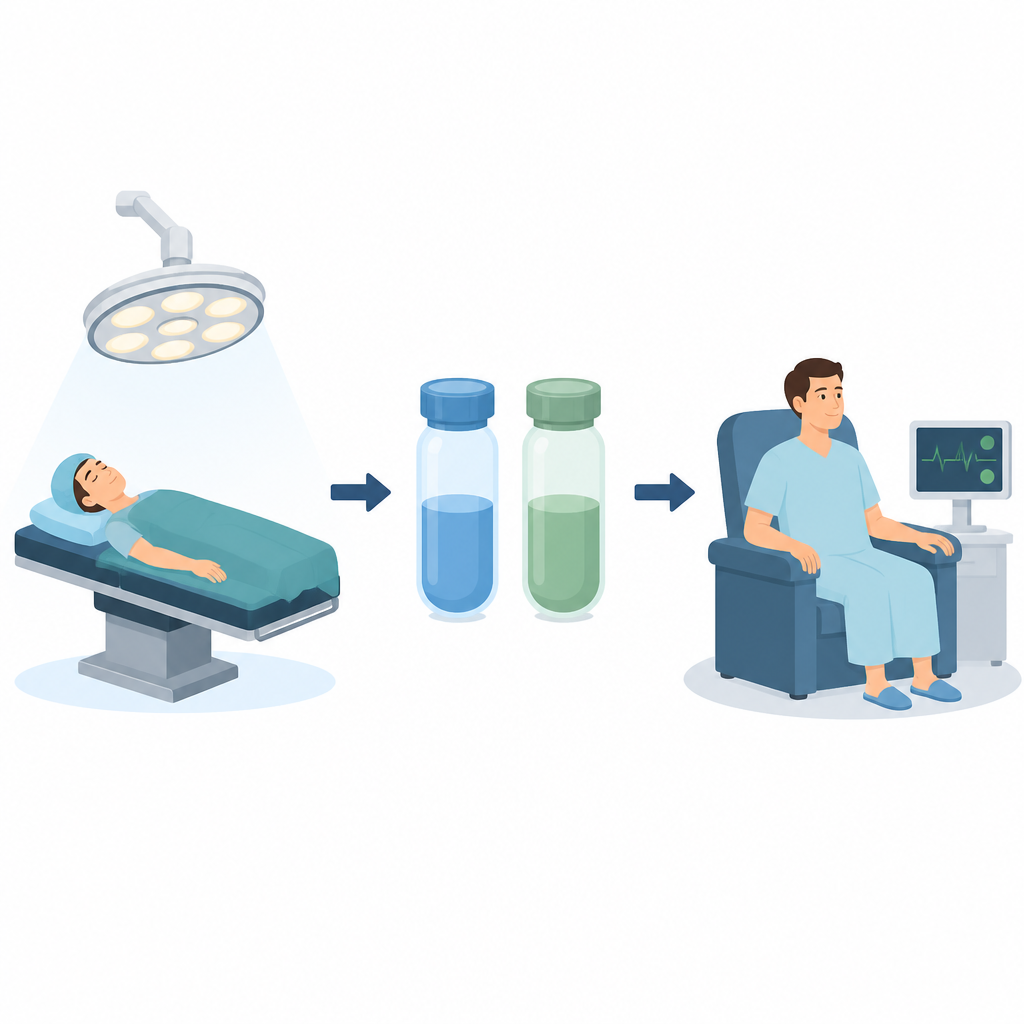
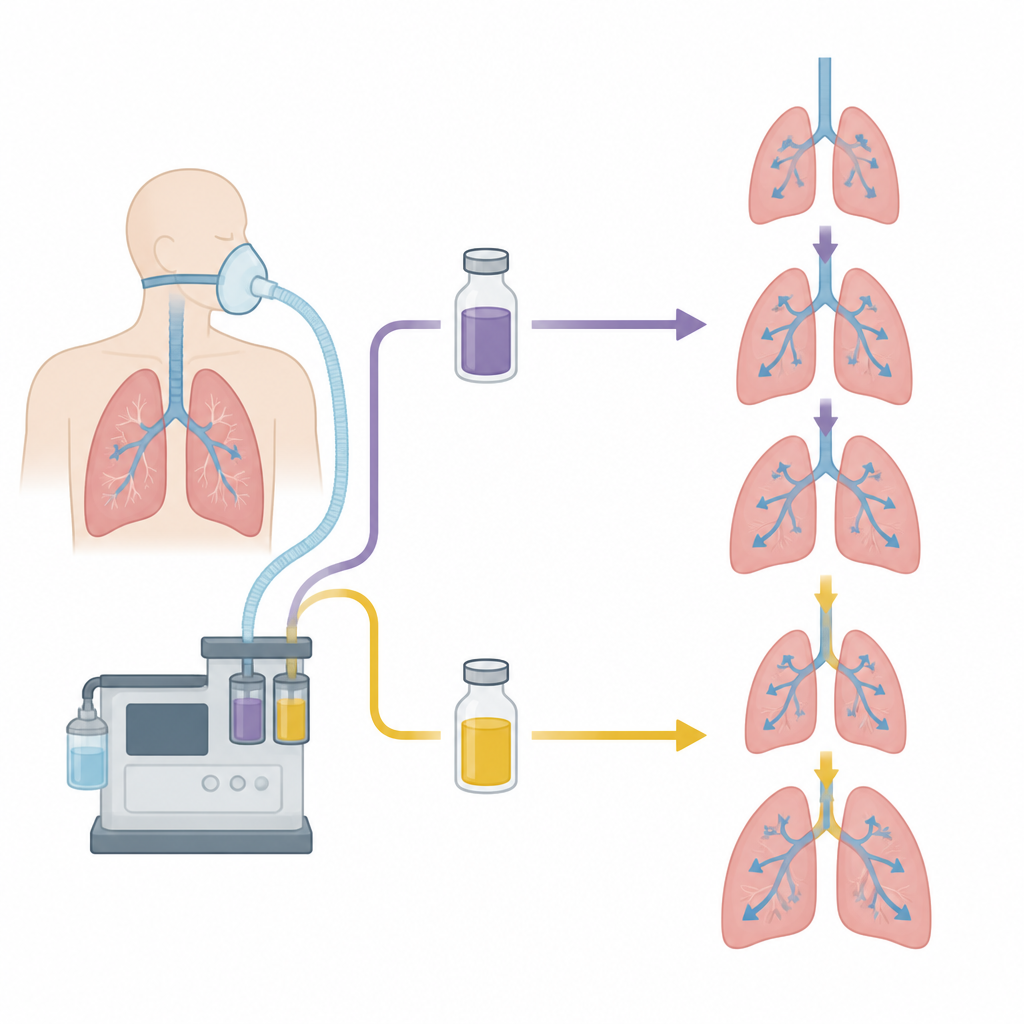
During many operations, anesthesiologists give drugs that temporarily paralyze muscles so that breathing machines can work smoothly and surgeons can operate without movement. At the end of surgery, these drugs must be switched off so patients can breathe on their own. Neostigmine is an older, inexpensive medicine that has been used for decades. Sugammadex is a newer drug designed to remove certain muscle relaxants from the body more quickly. It has been shown to speed up the return of muscle strength in several types of operations, but it also costs far more. Doctors especially want to know whether sugammadex offers real advantages for people who are obese and have obstructive sleep apnea, because these patients are at higher risk for breathing problems after anesthesia.
How the study was set up
Researchers at a single outpatient surgery center ran a randomized, double masked trial, meaning that patients were randomly assigned to one of the two reversal drugs and neither they nor the study team measuring outcomes knew which drug was used. All participants had obesity, a confirmed diagnosis of sleep apnea, and were having same day surgery under general anesthesia with muscle relaxation. Ninety patients were enrolled and split evenly between the neostigmine group and the sugammadex group. Before surgery, each patient had breathing tests that measured how much air they could blow out and an arterial blood test that checked oxygen and carbon dioxide levels. The same measurements were repeated about 30 minutes after they arrived in the recovery unit.
Timing recovery in the real world
The main outcome was how long patients stayed in the post anesthesia care unit, measured from arrival to the time they were medically ready to leave, using a standard hospital scoring system. The team also looked at how much the breathing test results and blood gas values changed from before to after surgery. Statistical tests were used to compare the two groups and to account for other factors, such as age, body mass index, type of surgery, amount of pain medicine, and how long the operation lasted. This approach was meant to answer a very practical question: in the busy setting of a freestanding surgery center, does choosing one reversal drug over the other actually change recovery time or measured breathing quality?
What the researchers found
The results showed that recovery times were almost the same in both groups. The median stay in the recovery unit was about two hours in each group, and the small difference between them was not statistically meaningful. When the researchers examined subgroups, such as patients having head and neck procedures or operations of different lengths, they still did not see an advantage for either drug. Breathing tests and blood gas values also declined slightly after surgery in both groups, as expected, but the size of these changes was similar whether patients received neostigmine or sugammadex. A more detailed analysis confirmed that longer surgery time, not the choice of reversal drug, was the main factor linked with longer recovery unit stays. Only one patient in the neostigmine group had a brief breathing problem that required extra treatment with sugammadex, and there were no unplanned hospital admissions.
What this means for patients and clinics
For obese people with obstructive sleep apnea having low to moderate risk outpatient surgery, this study suggests that the routine use of the newer, more expensive reversal medicine does not noticeably shorten time in the recovery area or improve standard measures of breathing. Both drugs appeared safe in this setting, and overall complication rates were low. Because sugammadex may still reduce serious lung problems in broader hospital populations and carries higher drug costs, the authors conclude that its use should be tailored to each institution, patient mix, and budget rather than adopted automatically for all higher weight patients with sleep apnea in ambulatory surgery centers.
Citation: Gabriel, R.A., Curran, B.P., Said, E.T. et al. Neostigmine versus sugammadex on outpatient recovery among obese patients with obstructive sleep apnea: A randomized controlled trial. Sci Rep 16, 15567 (2026). https://doi.org/10.1038/s41598-026-47043-2
Keywords: outpatient surgery, obstructive sleep apnea, obesity, anesthesia recovery, sugammadex