Clear Sky Science · en
Return to work and cancer survivorship needs of breast cancer survivors: an observational prospective single-cohort study in Italy
Work, Health, and a New Start
For many people treated for breast cancer, getting back to work is about much more than a paycheck. Returning to a job can signal a return to normal life, social connection, and independence. This study followed Italian women with breast cancer for a year after surgery to understand who manages to resume work, who struggles, and what kinds of practical and emotional help survivors say they need along the way.
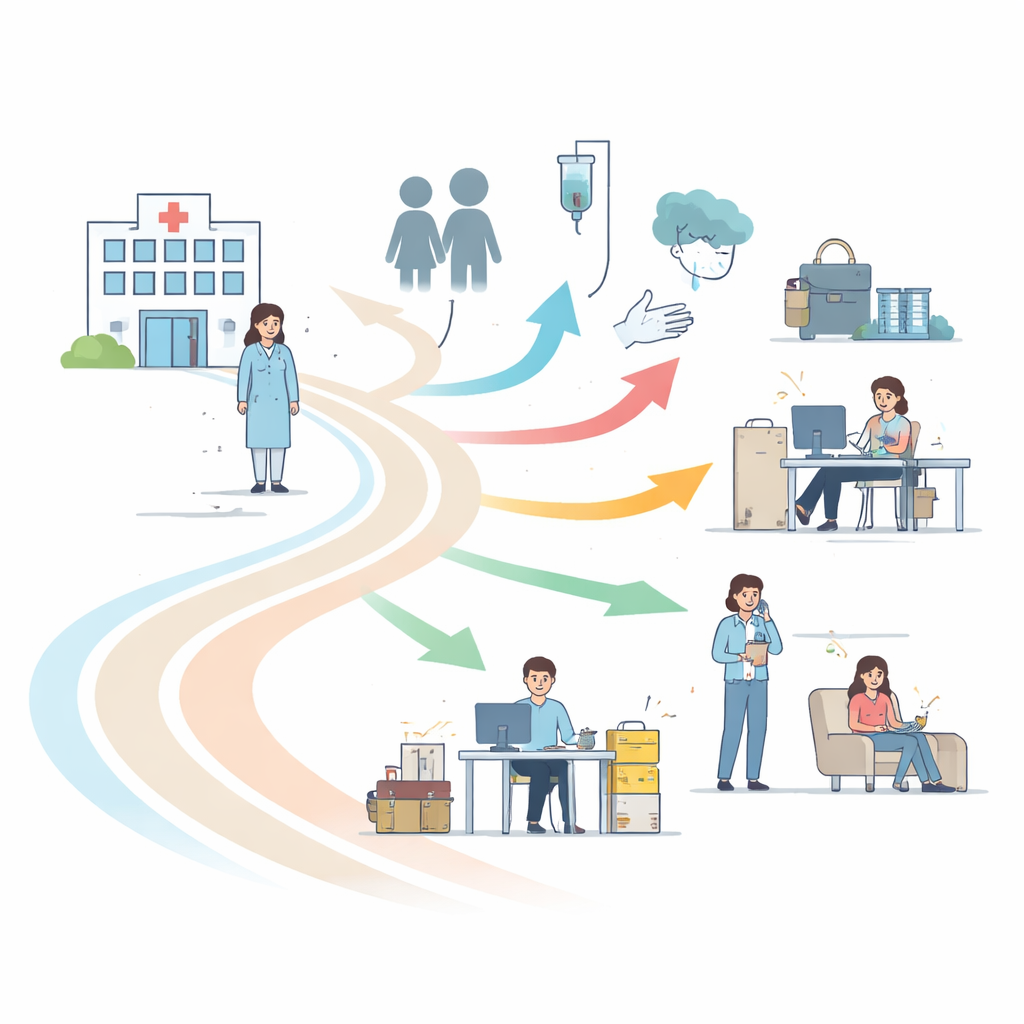
Following Women Through a Difficult Year
The researchers tracked 111 adults after breast cancer surgery at hospitals in the Reggio Emilia area of Italy. Most were of working age, and 85 had jobs at the time of diagnosis. Over 12 months, the team interviewed participants five times, asking whether they had gone back to work, how hard their work felt, how many days they were off sick, and what kinds of support they wanted in daily life. They also collected information about family situation, job type, cancer treatments, mood, sleep, arm function, fatigue, thinking skills, and finances.
Who Makes It Back to the Job
By one year after surgery, more than nine out of ten employed participants had returned to work, a higher rate than reported in several other countries. But returning was not equally easy for everyone. Having children appeared to slow the path back, likely because caregiving and worries about health took priority. Certain medical factors—such as undergoing lymph node removal surgery or receiving targeted drug therapy—were linked with a lower chance of work resumption, possibly reflecting more intensive treatment and side effects. Job conditions mattered as well: shift work, physically demanding tasks, and employment in large organizations were all associated with delayed or reduced return to work.
Hidden Struggles on the Job
Even when women did go back to work, many did not feel fully recovered. Difficulties such as fatigue, pain, limited use of the arm and shoulder, and problems with complex tasks became more common as the year went on, especially six and twelve months after surgery. Supportive coworkers and supervisors helped, while lack of understanding from employers and the burden of prescribed drugs acted as barriers. Women who had better energy levels, clearer thinking, and fewer money worries tended to report fewer problems at work, suggesting that managing long-lasting side effects can ease the transition back into employment.
Needs Beyond the Workplace
The study also asked all participants—not just those employed—about their broader needs in everyday life. In the first month, many needs declined, perhaps as the initial shock of diagnosis faded and treatment routines became familiar. But around three months after surgery, most types of needs rose again before gradually dropping later in the year. Emotional support needs remained high at every stage. Women with more anxiety, depression, poor sleep, or arm disability consistently expressed greater unmet needs, highlighting how physical and mental health are tightly intertwined during recovery.
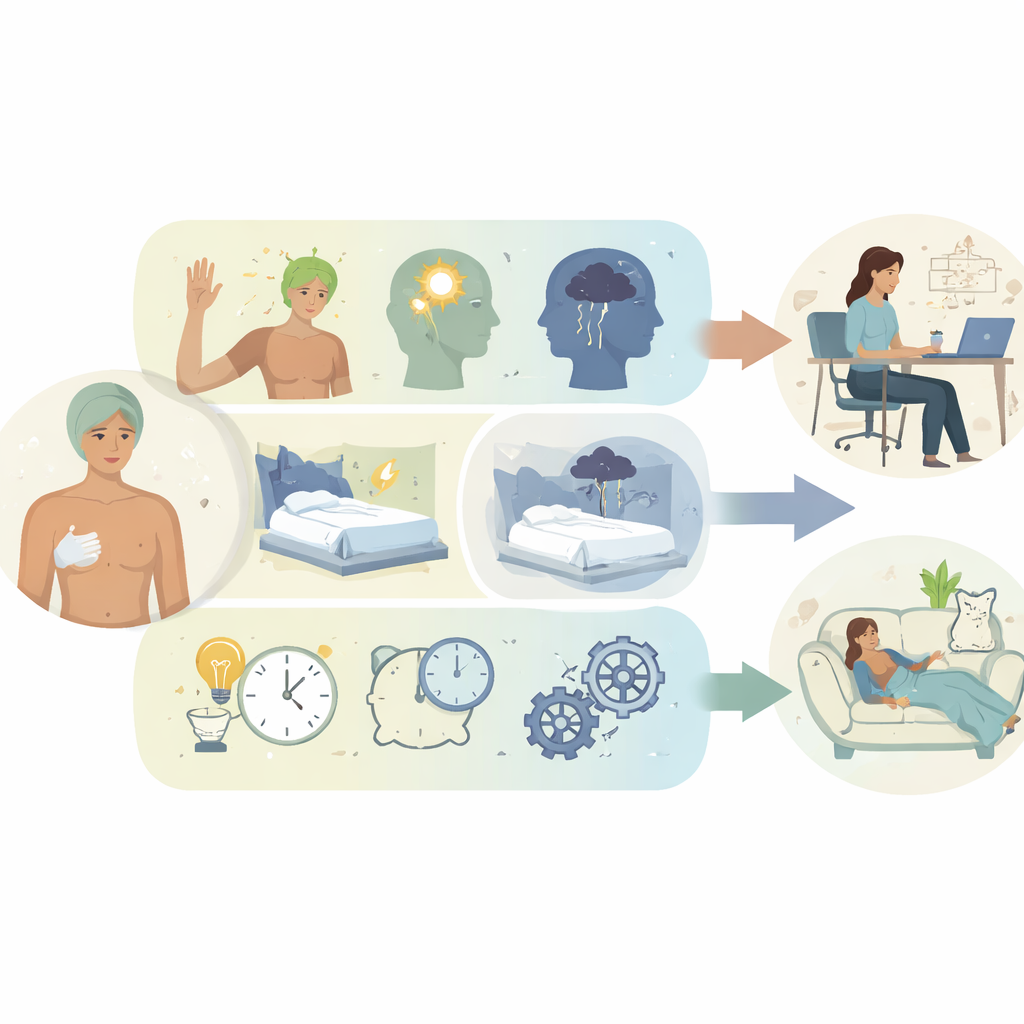
What This Means for Survivors and Care Teams
The findings suggest that while most women do get back to work within a year, their journey is shaped by family responsibilities, the type and intensity of treatment, long-lasting symptoms, and the nature of their jobs. Early identification of those at higher risk of work problems—such as women with heavy physical jobs, shift work, targeted therapy, or marked arm disability—could allow health professionals to offer tailored help, from physical rehabilitation to counseling and workplace adjustments. Because survivors’ needs change over time and extend far beyond employment, the authors argue that follow-up care should be flexible, patient-centered, and attentive to both emotional well-being and practical challenges at home and at work.
Citation: Paltrinieri, S., Braglia, L., Bravi, F. et al. Return to work and cancer survivorship needs of breast cancer survivors: an observational prospective single-cohort study in Italy. Sci Rep 16, 10827 (2026). https://doi.org/10.1038/s41598-026-45780-y
Keywords: breast cancer survivorship, return to work, workplace accommodations, cancer rehabilitation, supportive care needs