Clear Sky Science · en
Obstructive sleep apnea in never-smokers with newly diagnosed lung cancer: a prospective study in a predominantly female Korean population
Why this study matters to everyday sleepers
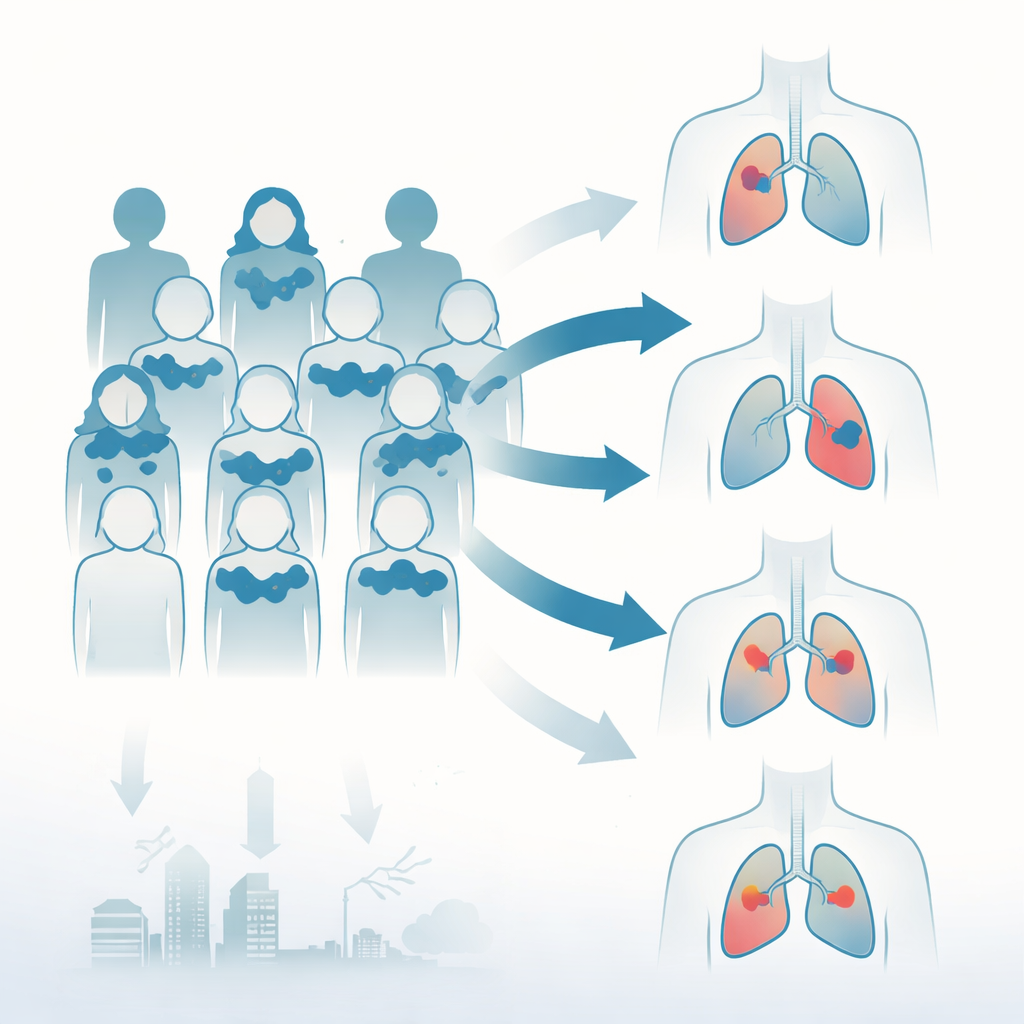
Many people think of lung cancer and sleep problems as separate issues: one linked to smoking, the other to snoring and fatigue. This study asks a simple but important question: among people who have never smoked, could a common sleep disorder—obstructive sleep apnea—also be part of the lung cancer story? By focusing on a group of mostly Korean women who never smoked, the researchers tried to strip away the usual influence of cigarettes and look more clearly at how disordered breathing at night might relate to lung cancer.
Two health problems that quietly overlap
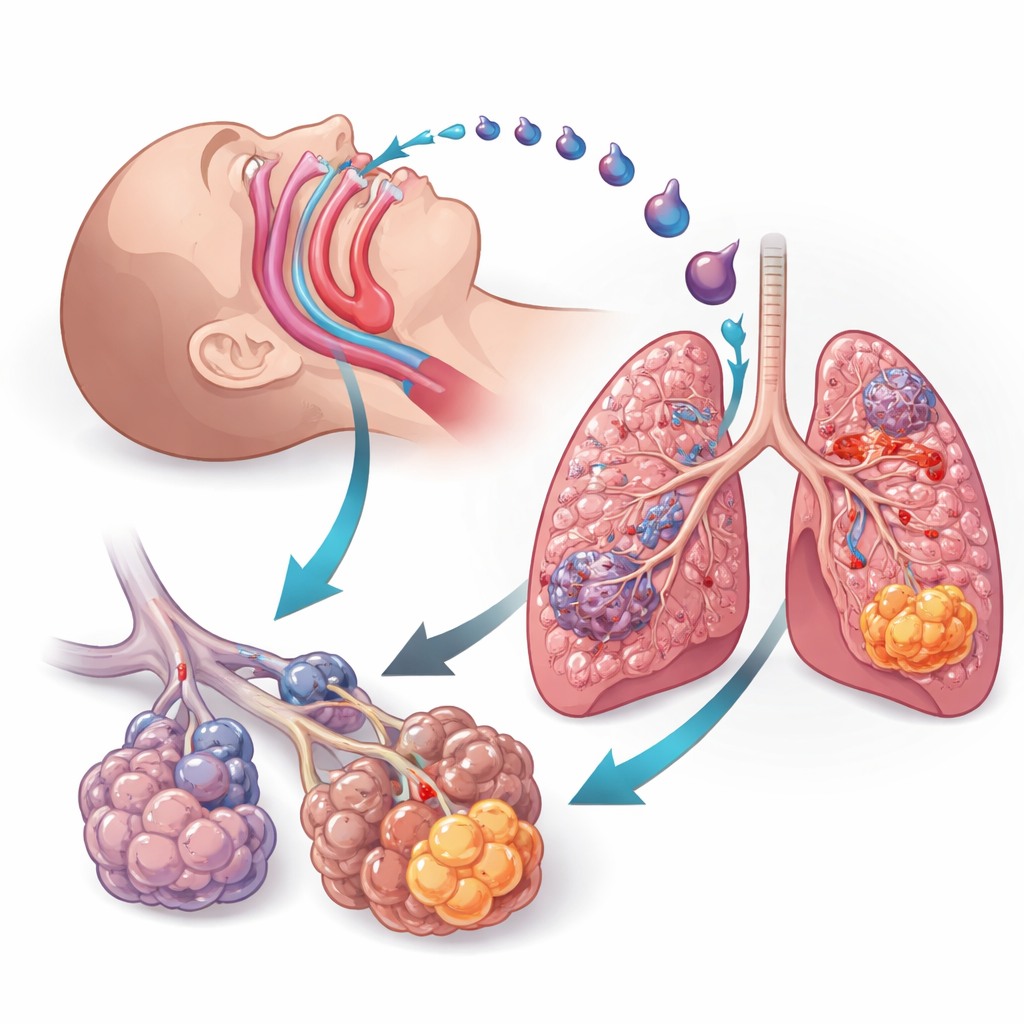
Obstructive sleep apnea (OSA) happens when the upper airway repeatedly narrows or collapses during sleep, causing breathing pauses and drops in oxygen levels. It is already known to raise the risk of heart disease, metabolic problems, and early death. In recent years, large population studies have hinted that people with OSA may also be more likely to develop cancers, including lung cancer. One possible reason is that the repeated dips in oxygen act as a stress signal throughout the body, damaging DNA and promoting inflammation that can help tumors grow. But most earlier lung cancer studies included many smokers and people with chronic lung disease, making it hard to tell how much of the risk came from sleep apnea itself and how much from tobacco and damaged lungs.
A closer look at never-smokers with lung cancer
To untangle this, the researchers enrolled adults who were never-smokers and had just been diagnosed with lung cancer at a major hospital in Seoul. They excluded anyone who had already been treated for lung cancer or sleep apnea, had very advanced illness, needed oxygen for other lung or heart problems, or had unstable medical conditions. Before starting cancer treatment, each participant spent a night hooked up to a portable sleep monitor that recorded breathing, airflow, body position, and oxygen levels. From these signals, the team counted how often breathing either stopped or became shallow and how much of the night was spent with low blood oxygen.
How common sleep apnea was in this group
Out of 67 eligible patients, the median age was 65 years and more than four out of five were women. Nearly all had a lung tumor type called adenocarcinoma, and about two-thirds already had advanced disease (stage III or IV). Despite none having a prior sleep apnea diagnosis, almost half of them—about 48 percent—met the criteria for OSA based on their breathing patterns during sleep. Roughly one in five had moderate-to-severe sleep apnea, and about one in ten had especially severe disease. Those with OSA tended to be older, have a higher body weight, and show more nighttime oxygen drops than those without OSA. They were also more likely to be diagnosed with lung cancer because of symptoms such as cough or breathlessness, rather than through routine checkups.
Does worse sleep apnea mean more advanced cancer?
The team then asked whether people with more severe sleep apnea also tended to have more advanced lung cancer. They compared measures of disordered breathing and oxygen shortage between those with early-stage tumors and those with later-stage disease. Surprisingly, the key sleep apnea measures did not differ much between the two groups. Mild differences in certain oxygen drop patterns appeared at first glance, but these faded after the researchers took into account age, sex, and how the cancer was discovered. In short, while sleep apnea was very common in this never-smoking group, having more severe sleep apnea did not clearly line up with having more advanced lung cancer at the time of diagnosis.
What this means for patients and doctors
This study suggests that almost half of never-smoking lung cancer patients—most of them older women—may also be living with undiagnosed obstructive sleep apnea, a condition that is itself treatable and linked to many other health problems. The work does not prove that sleep apnea causes lung cancer or makes it spread faster, but it strengthens the case that clinicians should look for and address sleep-disordered breathing in people with lung cancer, even when smoking is not part of their history. As survival from lung cancer continues to improve, identifying and managing hidden conditions like sleep apnea could become an important part of helping patients live longer and feel better.
Citation: Park, J., Kim, S.Y., Jo, Sm. et al. Obstructive sleep apnea in never-smokers with newly diagnosed lung cancer: a prospective study in a predominantly female Korean population. Sci Rep 16, 14579 (2026). https://doi.org/10.1038/s41598-026-45232-7
Keywords: obstructive sleep apnea, lung cancer, never-smokers, sleep-disordered breathing, Korean women