Clear Sky Science · en
Sociocultural determinants of attitudes toward oocyte donation among infertility patients in Western Iran
Why this topic matters to families
For many couples, the dream of having a child runs into the hard reality of infertility. One medical option is oocyte (egg) donation, in which a donated egg helps a pregnancy happen. But saying “yes” to this option is not just a medical decision; it is tangled up with family expectations, ideas about blood ties, and fear of gossip. This study from western Iran looks closely at how culture, religion, and education shape the way infertility patients feel about using donated eggs, and why secrecy and privacy loom so large in their choices.
Modern medicine meets deep-rooted traditions
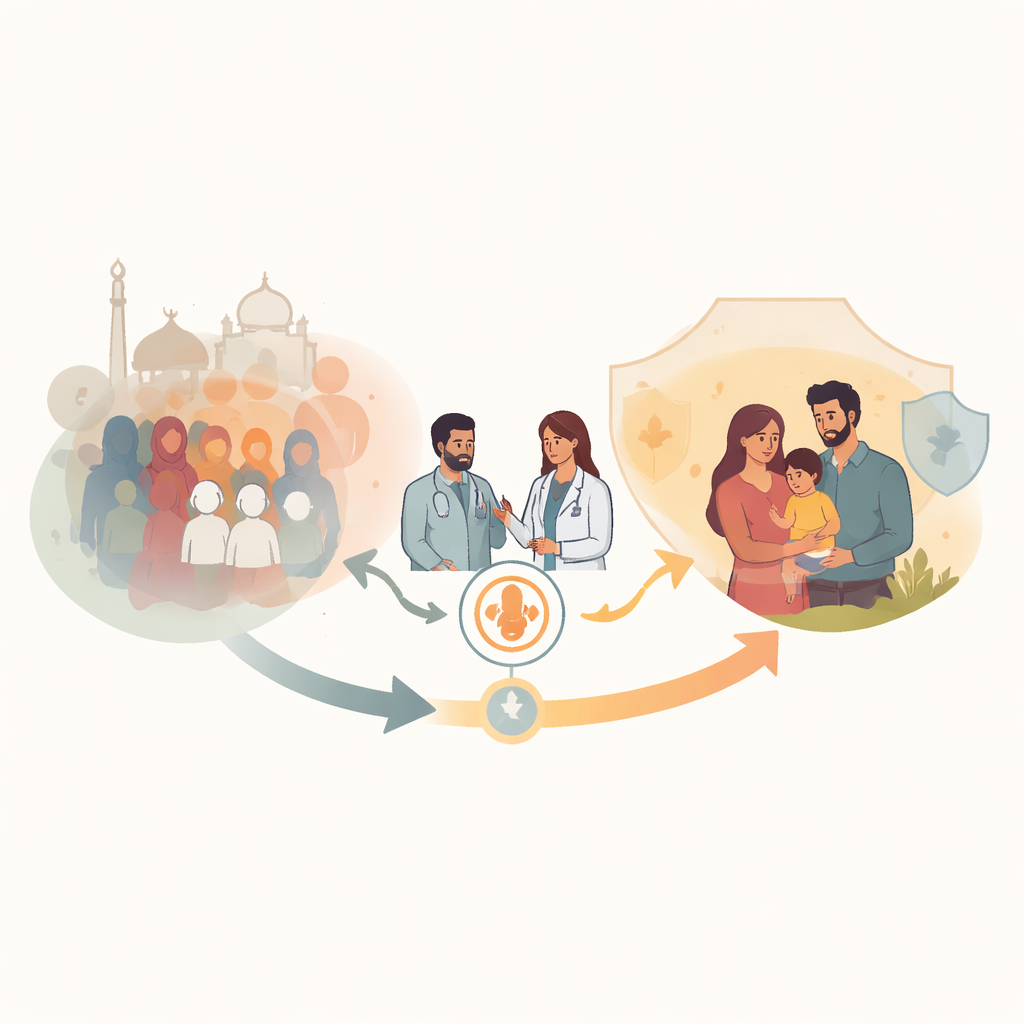
Infertility affects roughly one in six adults worldwide, and Iran is no exception. Thanks to advances in assisted reproductive technologies, oocyte donation has become a well-established way to help people have children. Yet in many Muslim-majority societies, including Iran, donor-assisted conception touches sensitive issues: preserving lineage, maintaining marital trust, and protecting family honor. Iran is unusual in that egg donation is legally and religiously permitted under specific rules, and fertility clinics are widespread. Even so, social pressure and concern about what others will think continue to influence whether couples feel comfortable with this option and how open they are about using it.
How the study was carried out
The researchers surveyed 171 infertility patients, both men and women, at a public infertility center in Kermanshah, a culturally diverse region of western Iran. All participants had experienced at least one year of infertility and were able to complete a detailed questionnaire. The survey, developed and validated in earlier Iranian research, contained 52 questions grouped into 12 areas, including decision-making, views of donors and recipients, attitudes toward anonymity and secrecy, ideas about the parent–child relationship, and feelings of belonging. Participants rated how strongly they agreed or disagreed with each statement. The team then used statistical methods to see how attitudes related to age, type of infertility, cause of infertility, prior treatment experience, and the educational levels of both partners.
What patients think about using donated eggs
Overall, patients in this study viewed oocyte donation positively, with average scores clearly above the neutral midpoint. Men and women were similarly accepting when it came to the idea of using donated eggs. At the same time, responses revealed a clear pattern: strong support for keeping the donor and recipient unknown to each other, and for keeping the donor unknown to any future child. Many participants also preferred not to tell extended family members or others in their social circle that they had used donor eggs. These answers reflect a wish to avoid stigma, protect family reputation, and prevent questions about a child’s origins. Yet in other parts of the questionnaire, participants expressed strong confidence that they could form a loving, secure bond with a child conceived through donated eggs, and that this child would fully “belong” in the family regardless of genetic ties.
How schooling and society shape views
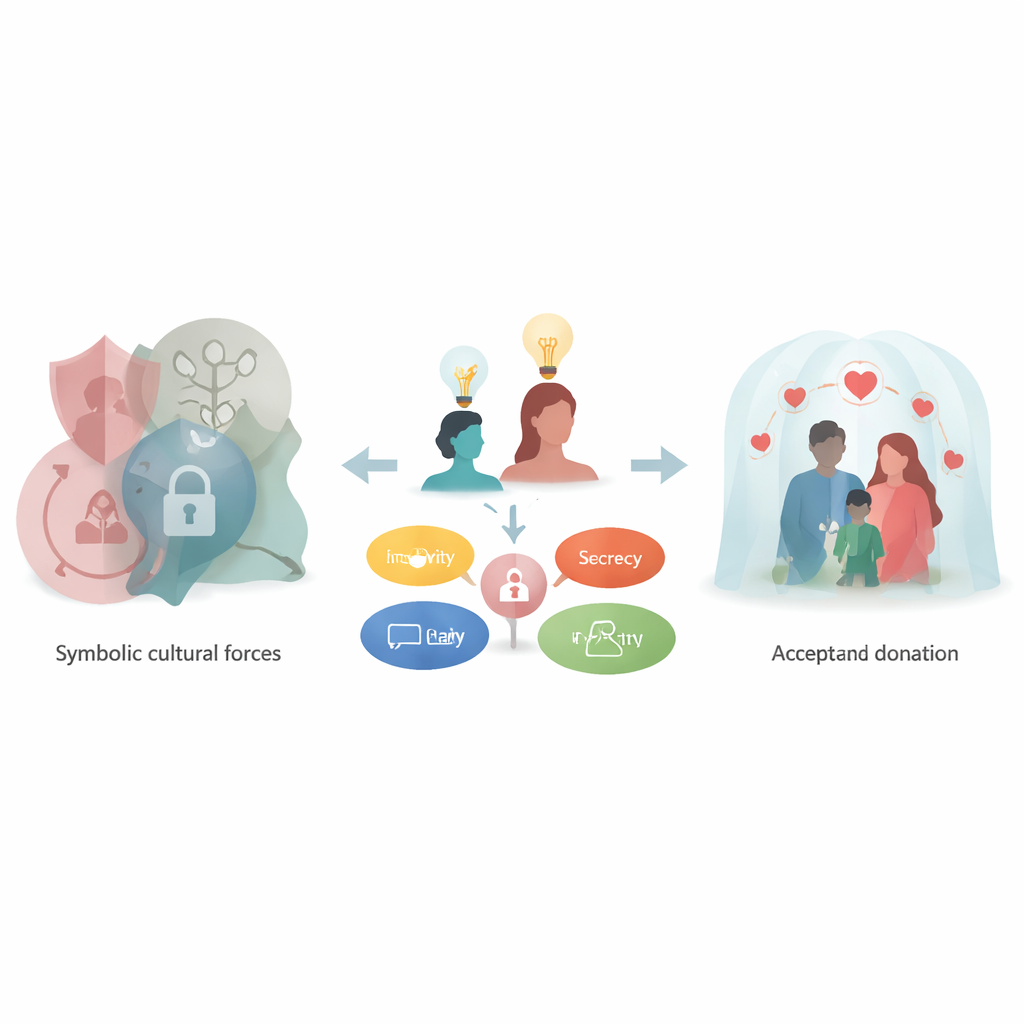
When the researchers looked at what predicted these attitudes, most medical and clinical factors—such as the type or cause of infertility and previous use of fertility treatments—did not show meaningful links with how people felt about oocyte donation. Instead, the social environment appeared more important. Higher educational level in men was tied to stronger support for anonymity between donors and recipients, suggesting that more educated men may be particularly alert to issues of privacy, lineage, and public image. Women’s educational level showed a modest connection to attitudes about whether to disclose donor conception, hinting that women may be more engaged with the emotional and communication challenges around telling a child or relatives. These differences point to the need for counseling that treats partners as distinct individuals with different worries and social pressures, rather than assuming a single shared view.
What this means for care and policy
This study shows that for infertility patients in western Iran, using donated eggs is generally acceptable in principle—but only if wrapped in a protective layer of secrecy and anonymity. Patients trust that they can love and raise a donor-conceived child as their own, yet fear that revealing the child’s origins could threaten family harmony or social standing. Because these concerns arise less from medical facts and more from cultural narratives about bloodlines, honor, and privacy, fertility clinics and policymakers cannot focus on technical success alone. They need counseling and education programs that respectfully address worries about disclosure, support couples in making informed and sustainable choices, and take seriously how men and women experience these issues differently. By doing so, donor-assisted reproduction can better align with both scientific possibilities and the social realities families live in.
Citation: Esmaeilivand, M., Jahanbakhsh, S., Rezaeian, S. et al. Sociocultural determinants of attitudes toward oocyte donation among infertility patients in Western Iran. Sci Rep 16, 10679 (2026). https://doi.org/10.1038/s41598-026-45147-3
Keywords: oocyte donation, infertility, cultural norms, anonymity and secrecy, Iran