Clear Sky Science · en
Maternal intake of inadequate dietary folate, and low serum folate levels during pregnancy are associated with increased risk of preterm birth in rural Ethiopia: a prospective cohort study
Why this matters for mothers and babies
Having a baby arrive too early is one of the biggest threats to newborn survival worldwide, especially in poorer regions. This study from rural Ethiopia asks a simple but crucial question: does what a pregnant woman eats, particularly how much folate she gets, change the chances that her baby will be born too soon? The answer sheds light on how a common vitamin found in leafy greens and beans can make the difference between a full-term birth and a risky early delivery.
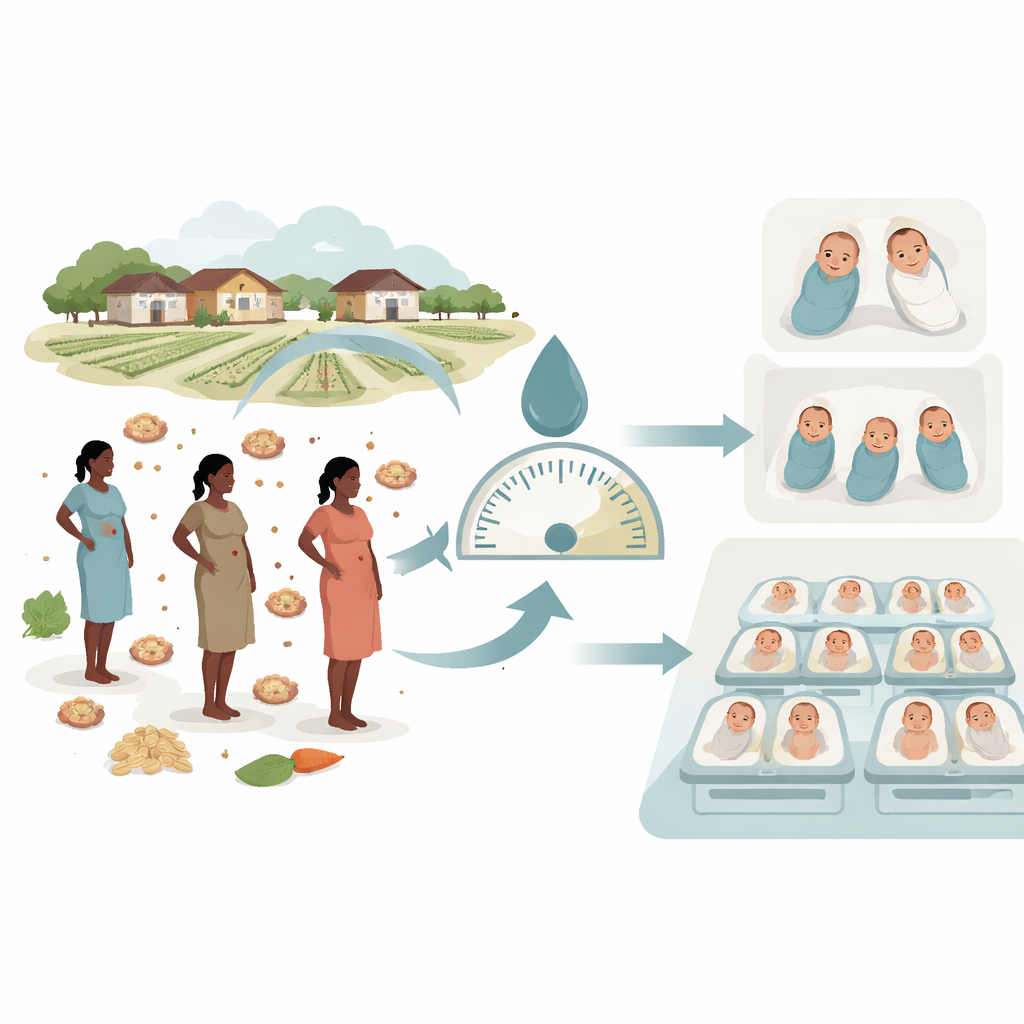
A vitamin with a big job in pregnancy
Folate is a B vitamin that helps build and repair DNA and supports the rapid cell growth that happens during pregnancy. Women are advised to get more folate when they are pregnant, both from food and from supplements, to support their baby’s development and prevent birth defects. Yet in many low-income settings, diets are dominated by a few staple foods, and access to fortified foods and supplements can be limited. Earlier studies suggested that low folate might be linked to preterm birth, but evidence from rural African communities has been scarce and sometimes inconsistent. This research set out to follow pregnant women over time to see how their food intake and blood folate levels related to when their babies were born.
Following rural mothers from early pregnancy to birth
The researchers followed 424 pregnant women in two rural districts of the Sidama region in southern Ethiopia. All were enrolled in early pregnancy, mostly between 9 and 12 weeks. Using detailed 24-hour food recalls repeated in each trimester, the team estimated how much folate the women consumed and whether their overall diet included a variety of food groups. They also measured body size and arm circumference to gauge nutritional status, weighed the women repeatedly to track weight gain, and took blood samples in early and late pregnancy to measure folate in the blood. Women were grouped by whether they reached the recommended folate intake for pregnancy or fell short, and all births were carefully tracked to determine gestational age and birth weight.
What low folate and poor diet meant for birth timing
Nearly one in four babies in this study was born preterm, a much higher share than global averages and a clear sign of the challenges facing rural communities. The study found that women whose diets did not provide enough folate were more likely to deliver early than women who met the recommended intake. Those with less varied diets, eating from fewer than five food groups, also faced higher odds of preterm birth. Blood tests backed this up: women with lower folate levels in their serum were more likely to have preterm babies than those whose levels were above an international cutoff. Undernutrition more generally played a role as well. Women with thinner upper arms (a sign of poor nutrition) and those who gained less weight during pregnancy tended to have smaller babies and more early births.
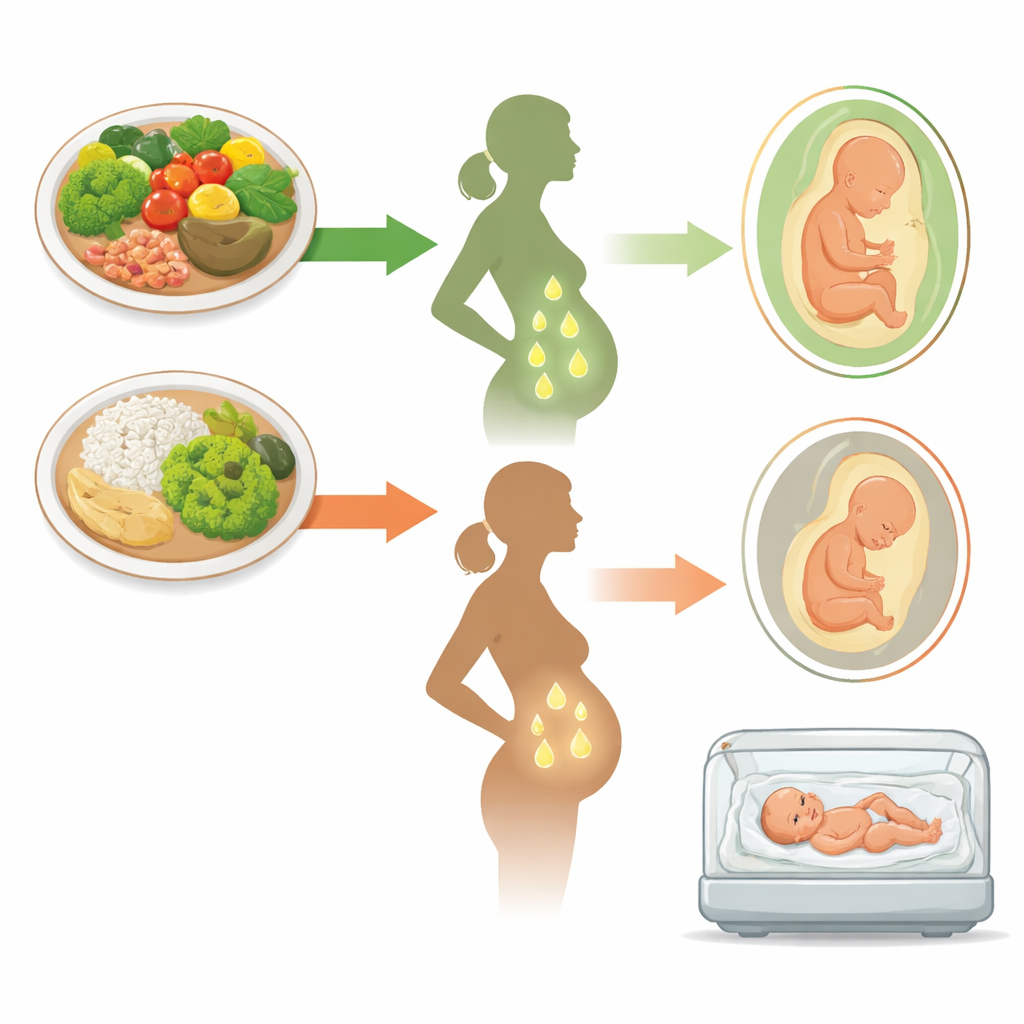
Beyond a single pill: food, growth, and pregnancy care
Almost all of the women reported taking iron–folic acid tablets during pregnancy, but this alone did not erase the differences between groups. Women who had better diets overall not only had higher blood folate but also higher body weight, larger arm circumference, and healthier weight gain as pregnancy progressed. Their babies were, on average, heavier and more likely to reach full term. This suggests that tablets are important but not sufficient when everyday meals remain monotonous and low in key nutrients. A mix of diverse foods, adequate calories, and consistent antenatal care appears to offer the strongest protection.
What this study means for families and health programs
For a lay reader, the main message is straightforward: when pregnant women in rural Ethiopia do not get enough folate and other nutrients from their diet, their babies are more likely to be born too soon and too small. The study shows that low folate intake and low blood folate levels go hand in hand with preterm birth, and that simple measures like diet diversity, healthy weight gain, and early, regular pregnancy checkups can make a major difference. Strengthening public health programs to provide extra food for pregnant women, ensure a steady supply of iron–folic acid supplements, fortify common foods with folate, and monitor women’s growth during pregnancy could help more babies stay in the womb long enough to thrive after birth.
Citation: Mayisso, K., Bosha, T. & Tamiru, D. Maternal intake of inadequate dietary folate, and low serum folate levels during pregnancy are associated with increased risk of preterm birth in rural Ethiopia: a prospective cohort study. Sci Rep 16, 13920 (2026). https://doi.org/10.1038/s41598-026-44534-0
Keywords: folate in pregnancy, preterm birth, maternal nutrition, rural Ethiopia, dietary diversity