Clear Sky Science · en
A comprehensive cross-sectional study of bedside monitor alarm characteristics and alarm load across hospital units
Why Beeps at the Bedside Matter
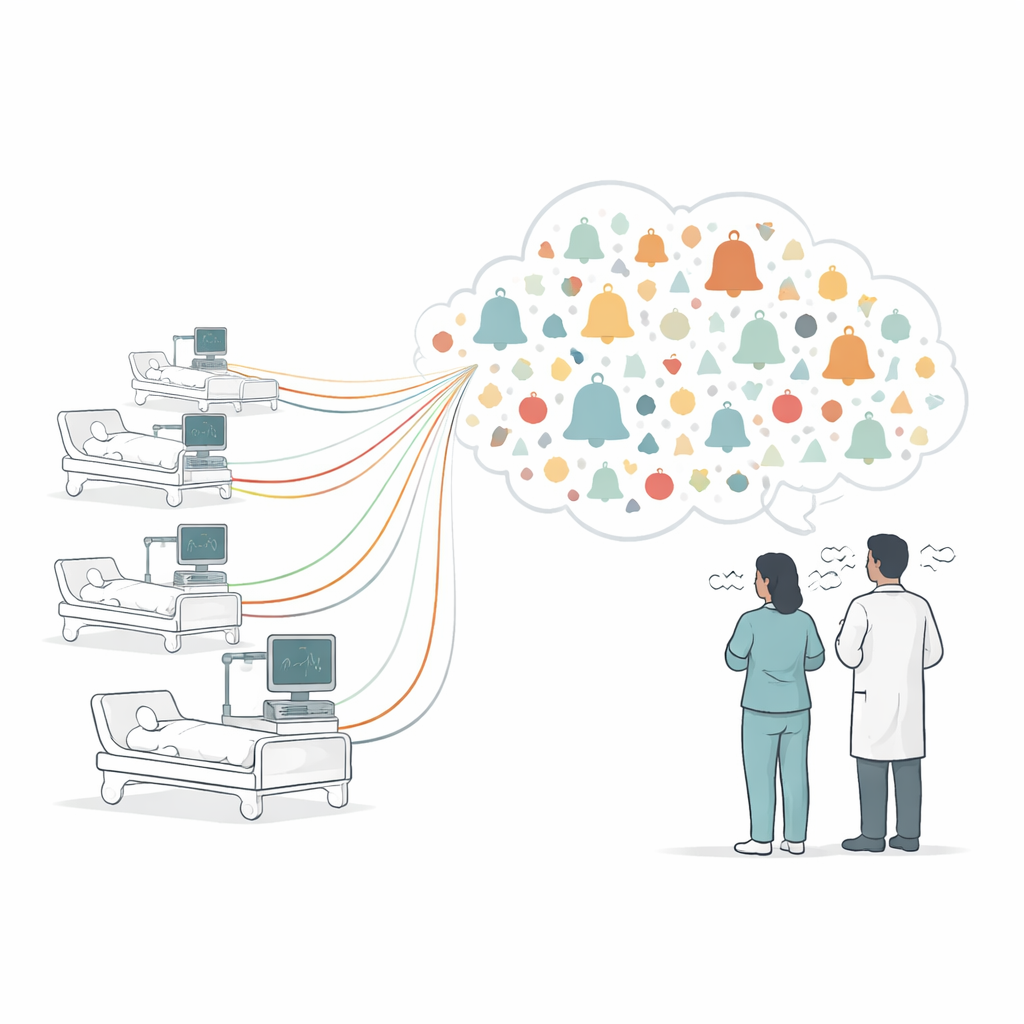
Anyone who has visited a loved one in an intensive care unit knows the constant chorus of beeps and tones. These alarms are meant to warn nurses and doctors when a patient is in trouble, yet many of them do not signal true danger. This study takes a deep, multi‑year look at what bedside monitors are actually alarming about, how often they do it, and what that means for both patient safety and the mental load on clinicians.
A Big Look at Busy Hospital Units
The researchers examined alarm data from four different hospital units in a large trauma center: three intensive care units and one intermediate care unit, which serves patients who are quite sick but not critically ill. Over four and a half years, they captured more than 2.1 million monitored hours from 17,442 hospital stays. During that time, the bedside monitors produced an astonishing 65.6 million alarms. By linking these alarms with information from the electronic health record, the team could see where and when each alarm occurred and what kind of problem the monitor thought it was detecting.
Most Alarms Are About Machines, Not Patients
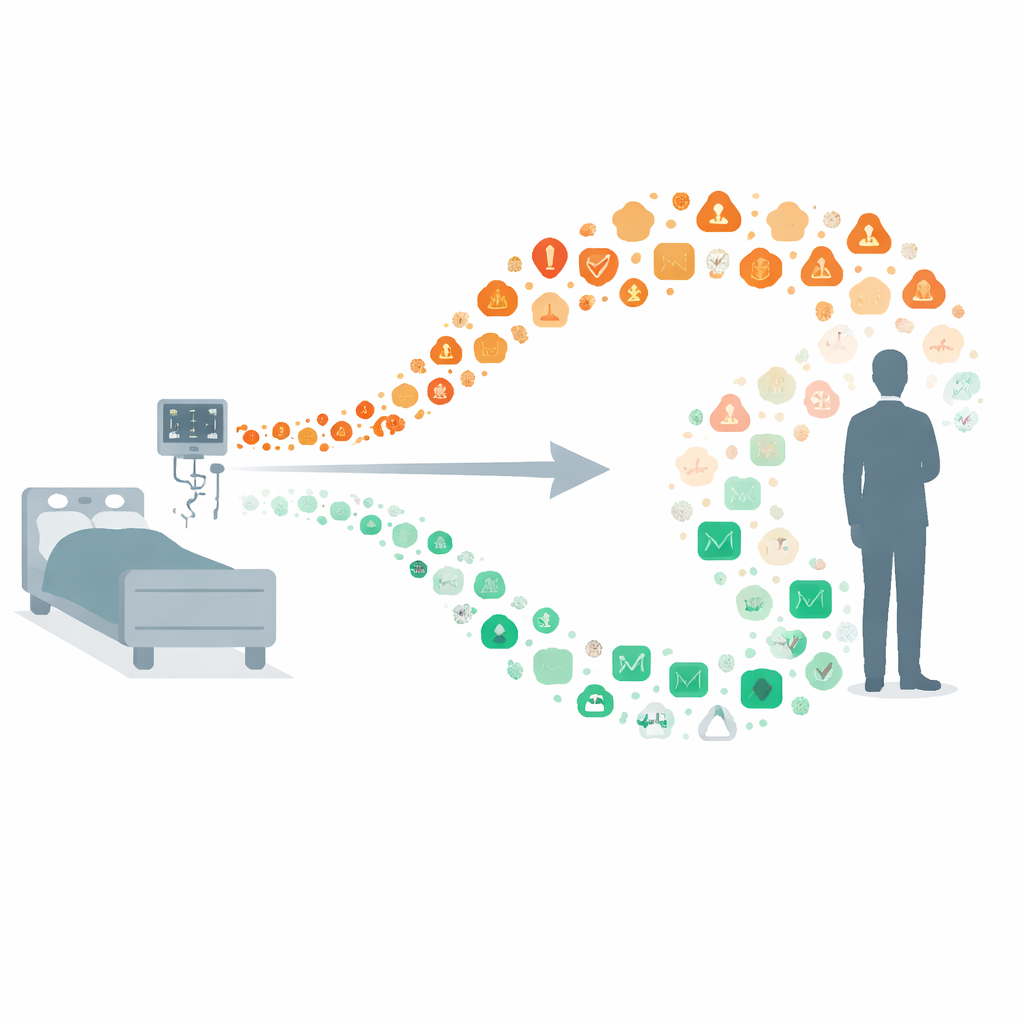
To make sense of the noise, the team grouped 422 different alarm labels into 59 practical categories. One of the most striking findings was that about 88 percent of all alarms were “technical” rather than “physiologic.” In plain terms, most alerts were about sensors, cables, or signal quality—things like a loose oxygen probe or an electrocardiogram lead that had fallen off—rather than real changes in a patient’s heart rate, breathing, or blood pressure. Only about 12 percent were true physiologic alarms suggesting possible medical instability. Even among the alarms that were loud enough to be heard across the unit, more than two thirds in some settings were still triggered by technical glitches rather than patient deterioration.
Silent Flashes and Loud Beeps
Not every alarm makes a sound. Many are visual flashes on the monitor itself. In this study, nearly three quarters of all alarms were “silent,” meaning they appeared only on the screen. These were overwhelmingly technical in origin, often related to poor signal quality or prompts to adjust equipment. Audible alarms—those familiar beeps that cut through the room—made up about a quarter of all alerts. Units varied in how many of these they produced, but intensive care beds typically generated between 7 and 10 audible alarms per patient every hour, while intermediate care beds generated about 5. These numbers translate into well over a hundred audible alarms per patient per day, before even counting alarms from other devices such as infusion pumps or ventilators.
Alarm Load and Its Human Cost
The authors introduced the idea of “alarm load,” defined as the number of alarms each patient triggered per hour of monitoring. In the intermediate care unit, the typical patient produced about 9 alarms per hour; in intensive care units, that number climbed to about 30 to 40. A small group of patients accounted for a large share of all alarms, with some encounters exceeding 800 alarms per hour at their peak. Hospital stays with especially high alarm loads tended to involve older adults, more serious conditions such as infections and circulatory diseases, more time spent in intensive care, and higher in‑hospital death rates. Although the study did not prove that alarms cause worse outcomes, the data underline how alarm‑heavy environments overlap with already fragile patients and high‑pressure care.
What These Findings Mean for Care
The picture that emerges is of hospital units saturated with alerts, most of which stem from equipment issues rather than true medical crises. Even silent alarms add to the mental juggling act required of nurses and doctors, who must decide whether each flash or tone deserves immediate action. The authors argue that better‑designed sensors, clearer differences between alarms about machines versus alarms about patients, and smarter routing of certain technical alerts to support staff could all help. Their work provides a detailed baseline against which hospitals and device makers can test new ideas for cutting unnecessary alarms. For patients and families, reducing this background noise could mean safer care, fewer missed true emergencies, and a calmer, less stressful healing environment.
Citation: Kraevsky, K., Aqtash, S., Teh, FE. et al. A comprehensive cross-sectional study of bedside monitor alarm characteristics and alarm load across hospital units. Sci Rep 16, 13274 (2026). https://doi.org/10.1038/s41598-026-43028-3
Keywords: alarm fatigue, intensive care monitoring, clinical alarms, patient safety, medical device alerts