Clear Sky Science · en
Nitrate measurement and age-specific carcinogenic and non-carcinogenic risk assessment in commonly consumed vegetables from Khuzestan Province, Iran
Why everyday vegetables and hidden chemicals matter
Most of us think of vegetables like cucumbers, tomatoes, onions, and potatoes as some of the safest foods on our plates. Yet these staples can also carry invisible substances called nitrates, which can both help and harm the body. This study takes a close look at how much nitrate is present in common vegetables sold in Khuzestan Province in southwestern Iran, and what that might mean for long-term health, especially for children who are more vulnerable to contaminants in food.
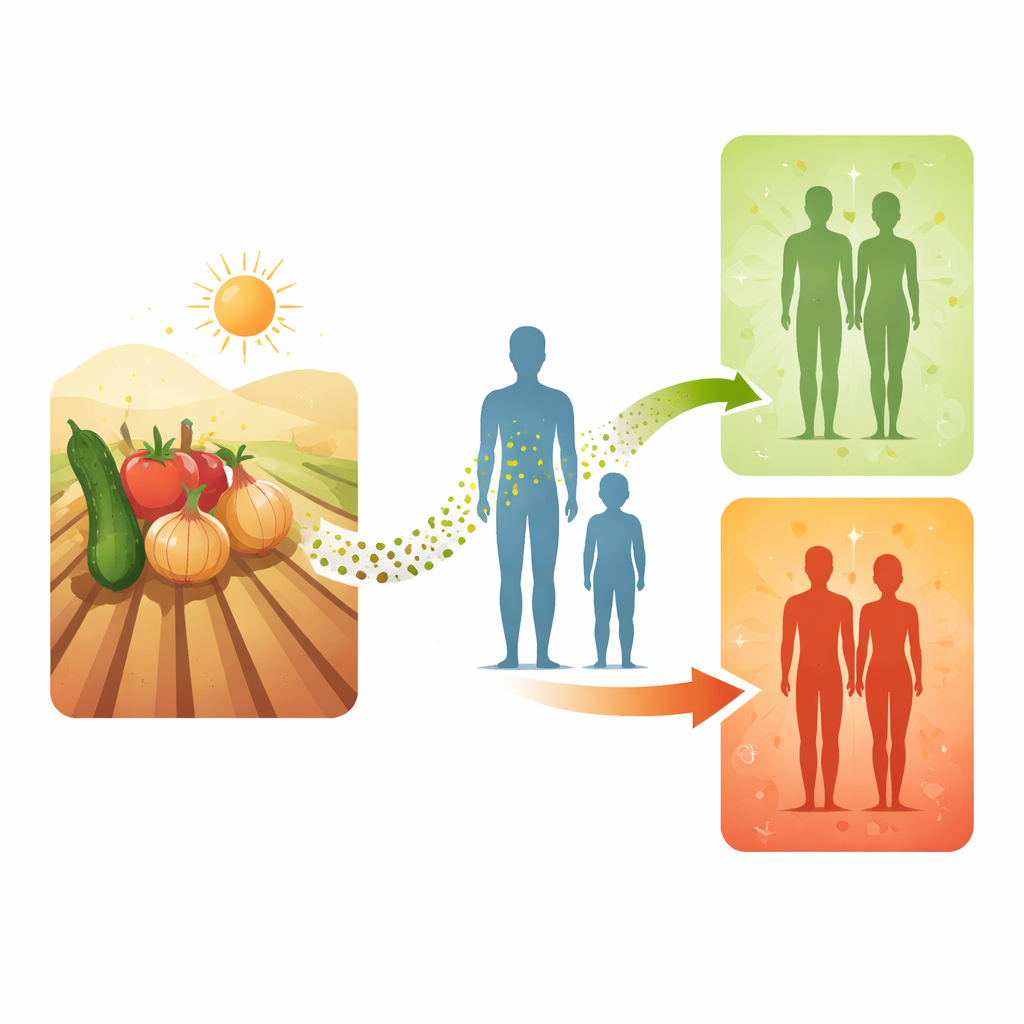
Checking what is really inside market vegetables
The researchers collected 282 samples of cucumbers, tomatoes, onions, and potatoes from markets and shops across Khuzestan over an entire year, capturing different seasons and growing conditions. Khuzestan is a major farming region with a hot, dry climate and intense sunshine, and it is also a hub for the oil and gas industry—raising questions about possible industrial pollution of soil and water. By buying vegetables the same way ordinary consumers do, the team aimed to measure the nitrate levels people are actually exposed to through their daily meals.
How the team measured nitrate in the lab
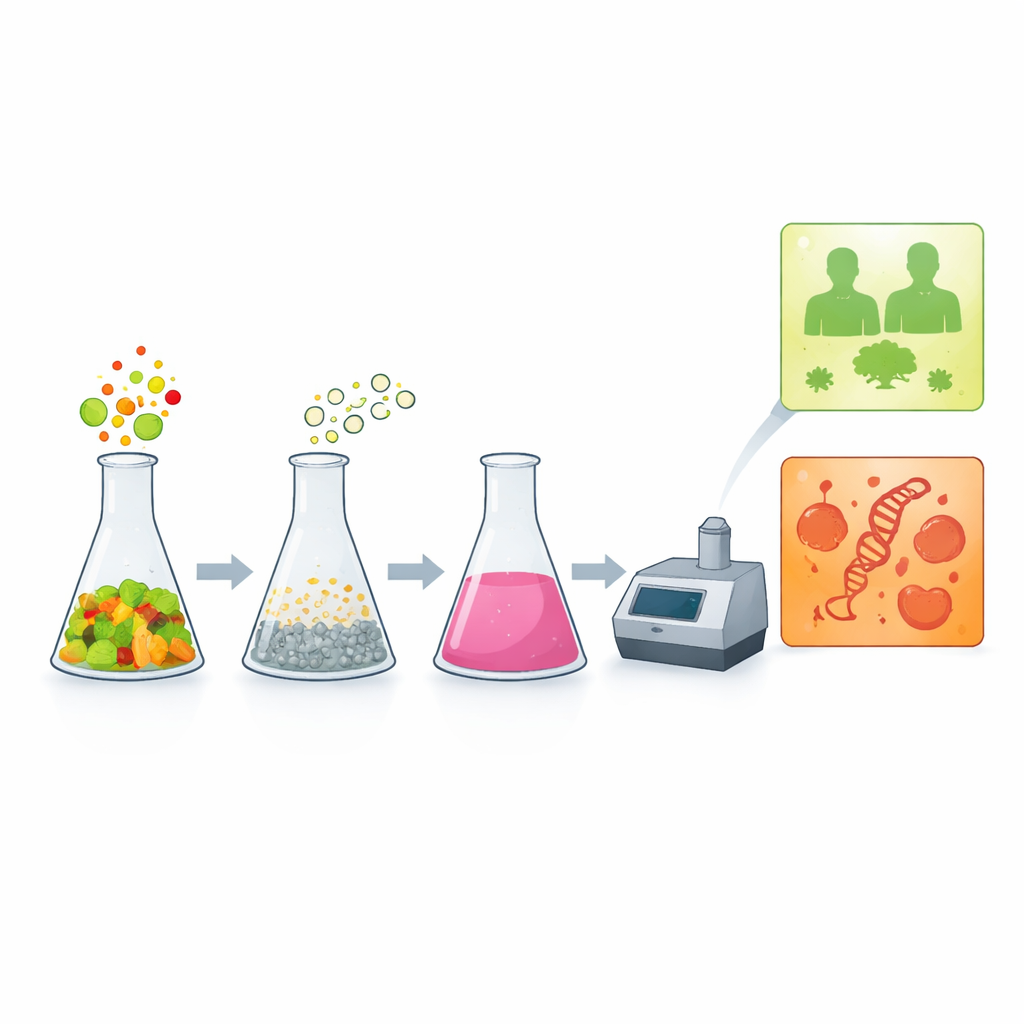
To find out how much nitrate was in each vegetable, the scientists used a color-based test known as the Griess method. After washing and blending the edible parts, they heated the mixture in water, added zinc powder to convert nitrate into nitrite, and then added special dyes that turn the liquid pink in proportion to the amount of nitrite present. The color strength was read by a light-measuring device, allowing the team to calculate nitrate levels. They double-checked this simpler method against a more advanced laboratory technique, high-performance liquid chromatography (HPLC), and found that while the quick method slightly underestimated nitrate—by about 7 percent—it still gave reliable results for routine monitoring.
What was found in cucumbers, tomatoes, onions, and potatoes
Across all 282 samples, nitrate levels varied widely but stayed below Iran’s official safety limits for these vegetables. On average, potatoes had the highest nitrate content (about 87 milligrams per kilogram), followed closely by cucumbers (about 80 mg/kg), with tomatoes and onions somewhat lower. These values were generally lower than those reported in some other Iranian provinces and earlier local studies, likely because strong sunlight and the region’s soil conditions encourage plants to convert more nitrate into useful nutrients instead of storing it. Despite nearby industrial activity, the data suggested that fertilizer use, climate, and soil type play a larger role than industrial pollution in determining nitrate buildup in these crops.
Balancing everyday exposure and long-term danger
To see what these numbers mean for health, the researchers estimated how much nitrate people take in each day from these four vegetables, then compared that intake with international safety guidelines. For both adults and children, the daily intake and the so-called “target hazard quotient” for non-cancer effects—such as blood problems seen with very high nitrate exposure—were comfortably below levels of concern. However, when they looked at the chance of extra cancer cases over a lifetime, the picture changed. Using cautious risk models, they found that nitrates from cucumbers alone slightly exceeded a commonly used “acceptable” cancer risk threshold for adults, and cucumbers, potatoes, and tomatoes exceeded it for children. When all four vegetables were considered together, the total cancer risk was above the conservative benchmark.
What this means for families at the table
The study’s bottom line is that, while these vegetables do not appear to pose short-term or obvious health problems from nitrate, the calculated lifetime cancer risk is higher than what regulators typically regard as negligible, particularly for children. The authors stress that these estimates are deliberately cautious and may overstate the true danger, because natural substances in vegetables and in the body can block the formation of harmful nitrosamines. Even so, the findings argue for regular monitoring of nitrate not only in vegetables but also in water and processed meats, and for smarter farming and diet choices that keep nitrate exposure in check while preserving the well-known benefits of eating plenty of vegetables.
Citation: Pakravan, N., Noori, S.M.A., Salehcheh, M. et al. Nitrate measurement and age-specific carcinogenic and non-carcinogenic risk assessment in commonly consumed vegetables from Khuzestan Province, Iran. Sci Rep 16, 11030 (2026). https://doi.org/10.1038/s41598-026-40722-0
Keywords: nitrate in vegetables, food safety, cancer risk, Khuzestan Iran, spectrophotometric analysis