Clear Sky Science · en
Favorable research environment is a key determinant of research integrity according to a ten-country survey across Central and Eastern Europe
Why the Scientific Climate Matters
When we read headlines about faked data or retracted medical studies, it can feel like science itself is broken. But behind every honest or dishonest paper stands a real workplace: a lab, a department, a university. This study asked a simple but powerful question across ten Central and Eastern European countries: does the day‑to‑day research environment make scientists more or less likely to cut corners? By listening to hundreds of biomedical researchers, the authors show that a supportive climate, clear rules, and proper training are central to keeping science trustworthy.
Asking Scientists About Their Own World
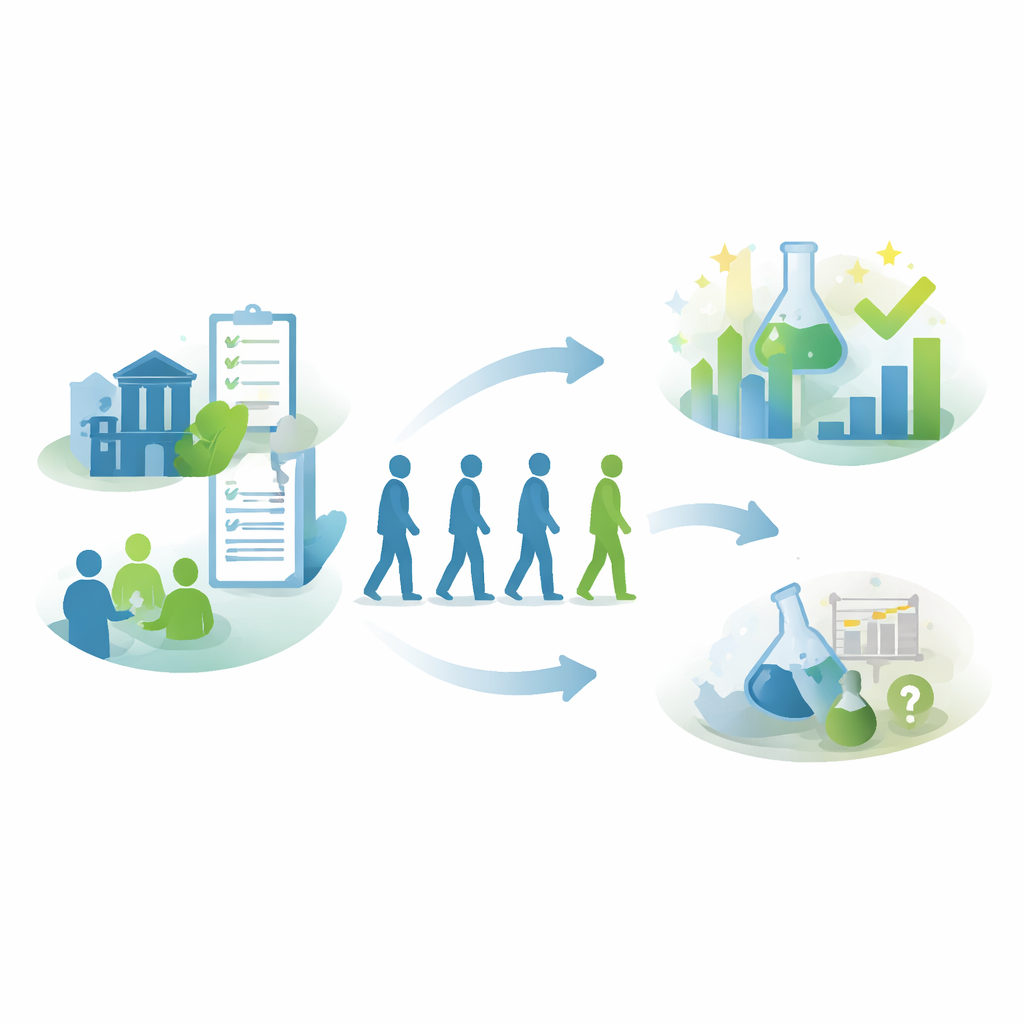
The researchers used a detailed online questionnaire to reach 752 scientists working in biomedicine at leading institutions in Central and Eastern Europe. Instead of quizzing students alone, they focused mainly on experienced researchers, many with more than a decade in the field. Participants answered questions about their background, whether they had ever taken courses on research ethics, the presence of written rules at their institutions, and their personal experiences with questionable behavior such as guest authorship, selective reporting of results, or more serious acts like fabricating data.
What Scientists See and Do
The answers revealed a mixed picture. Direct admission of serious wrongdoing such as fabricating, falsifying, or plagiarizing data in the past year was rare. Yet many respondents said they had seen colleagues present results in a misleading way, or felt pressured over issues like who should be listed as an author on a paper. Looking back over the previous three years, nearly half reported involvement in “gift authorship,” where a person is added to a paper without really contributing. Practices such as collecting extra data until a result looks convincing, or keeping inconvenient findings in a drawer, were also relatively common. In contrast, hiding sources of funding or conflicts of interest appeared much less frequent.
Rules, Training, and a Sense of Threat
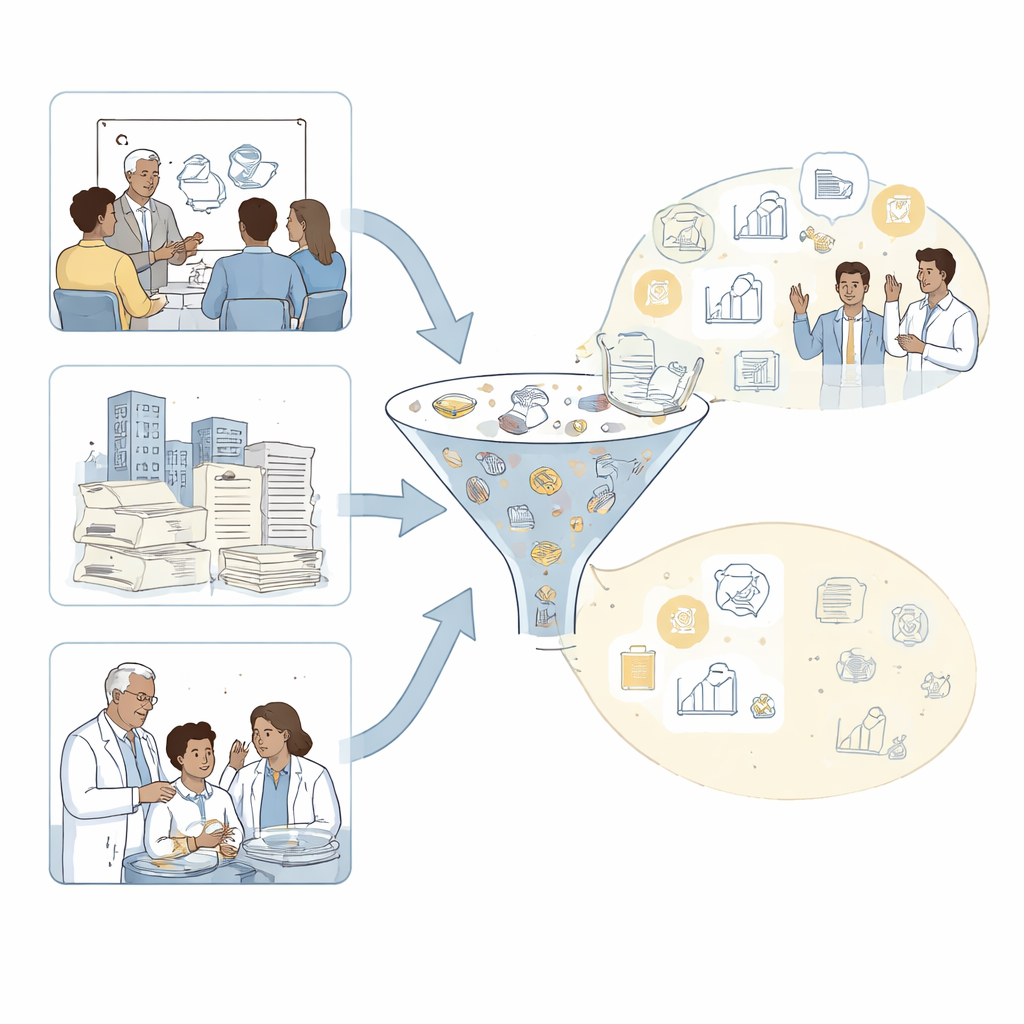
To move beyond simple tallies, the authors used statistical modeling to connect clusters of answers into broader themes. One set of hidden factors captured how often a person had encountered misconduct recently or in the past. Another reflected how much they saw misconduct as a real threat to their field, combining their views on how common it is, how likely it is to be detected, and how serious the consequences are. A third set described the research climate: the presence of written policies, beliefs about whether misconduct is ever acceptable, willingness to report wrongdoing, and readiness to share responsibility for a paper’s content. The models showed that people who saw misconduct as unacceptable and felt a duty to act were less likely to report having taken part in it. The existence of written institutional rules also went hand‑in‑hand with fewer reported problems.
Experience and Education Shape Behavior
The study also explored how personal characteristics relate to integrity. Senior researchers tended to stress shared responsibility among co‑authors and valued clear policies more than their junior colleagues. Importantly, those who had received more extensive education in research ethics reported fewer experiences with questionable practices, both recently and over several years. They were also more likely to recognize problematic behavior as a threat and to endorse written rules and shared responsibility. Gender and institutional differences played some role, but the overall message was that training and a supportive culture mattered more than individual traits alone.
Building Better Places for Science
In the end, the study’s conclusion is straightforward: the quality of the research environment is a key driver of research integrity. Misconduct does not arise only from a few “bad apples”; it flourishes where rules are vague, mentorship is weak, and success is measured only in publications. By investing in ethics education, making expectations explicit through clear policies, and encouraging open discussion and fair authorship practices, universities and research organizations can reduce both minor shortcuts and serious fraud. For the public, this means that trust in biomedical findings depends not just on individual scientists’ honesty, but on whether their institutions actively cultivate a culture where doing careful, truthful work is the easiest path to take.
Citation: Veselska, R., Sirucek, J., Gefenas, E. et al. Favorable research environment is a key determinant of research integrity according to a ten-country survey across Central and Eastern Europe. Sci Rep 16, 10216 (2026). https://doi.org/10.1038/s41598-026-39928-z
Keywords: research integrity, scientific misconduct, biomedical research, research environment, ethics training