Clear Sky Science · en
Revealing inequities in chronic respiratory disease (CRD) care: An adapted Photovoice qualitative study in Malaysian primary care settings
Why breathing problems are about more than lungs
For many people in rapidly growing cities, struggling to catch a breath is part of daily life. This study looks beyond inhalers and hospital visits to ask a deeper question: how do money, work, family roles, and dirty air shape the lives of people with long‑term breathing problems like asthma and chronic obstructive pulmonary disease in Malaysia? By handing cameras to patients and asking them to photograph their own realities, the researchers reveal how hidden pressures and unfairness in the health system and wider society quietly worsen lung disease.
Pictures that speak for patients
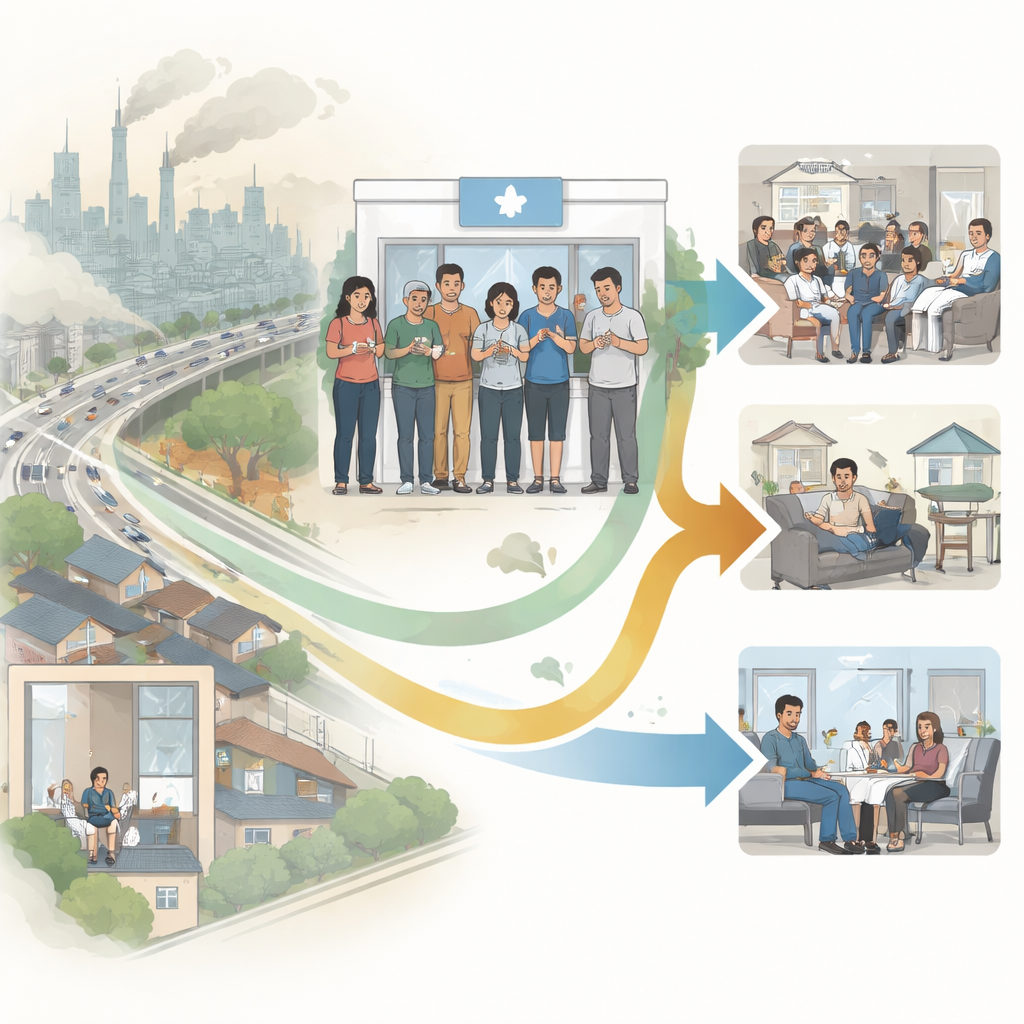
The researchers used a method called Photovoice, in which people take photos to show what matters most in their lives, then discuss these images in depth. Fourteen adults with chronic breathing problems from five public clinics in the industrial Klang district took part over about six months. They photographed homes filled with cigarette smoke, hazy skies, crowded clinics, workspaces thick with dust, and family scenes that showed both support and strain. These conversations, combined with careful analysis of interview transcripts, allowed the team to identify key patterns in how illness, everyday life, and the health system interact.
Dirty air outside and inside the home
One major theme was the constant battle with polluted air. Participants described seasonal haze from factories, burning of waste, and cross‑border smoke that turned the sky grey and sent them to emergency departments gasping for air. Many tried to cope by staying indoors, closing windows, and using fans or air purifiers, but these steps were often not enough. Inside their homes, cigarette smoke from family members created a second layer of danger. Some former smokers expressed regret as they photographed lighters and cigarettes, worrying about what second‑hand smoke might do to their children and grandchildren. Yet even in these harsh conditions, people remained hopeful, using inhalers before going outside and seizing rare clear days to walk for exercise.
The hidden price of "cheap" care
Malaysia’s public health system is heavily subsidised, so clinic visits and hospital stays cost only a small fee. But the photos and stories showed that the true price of care is much higher. When their inhalers ran out before the next appointment, or when certain drugs were missing from clinic shelves, patients had to pay full private prices. Travel to appointments, emergency visits after hours, and devices like spacers added to the burden. Because public clinics were crowded and visits could consume half a day, some people chose private doctors to avoid long waits, if they had spare cash. Those without the means had little choice but to endure delays. In practice, this meant that people who could pay got quicker, smoother care, even under a universal health system.
Jobs, gender, and the weight of responsibility
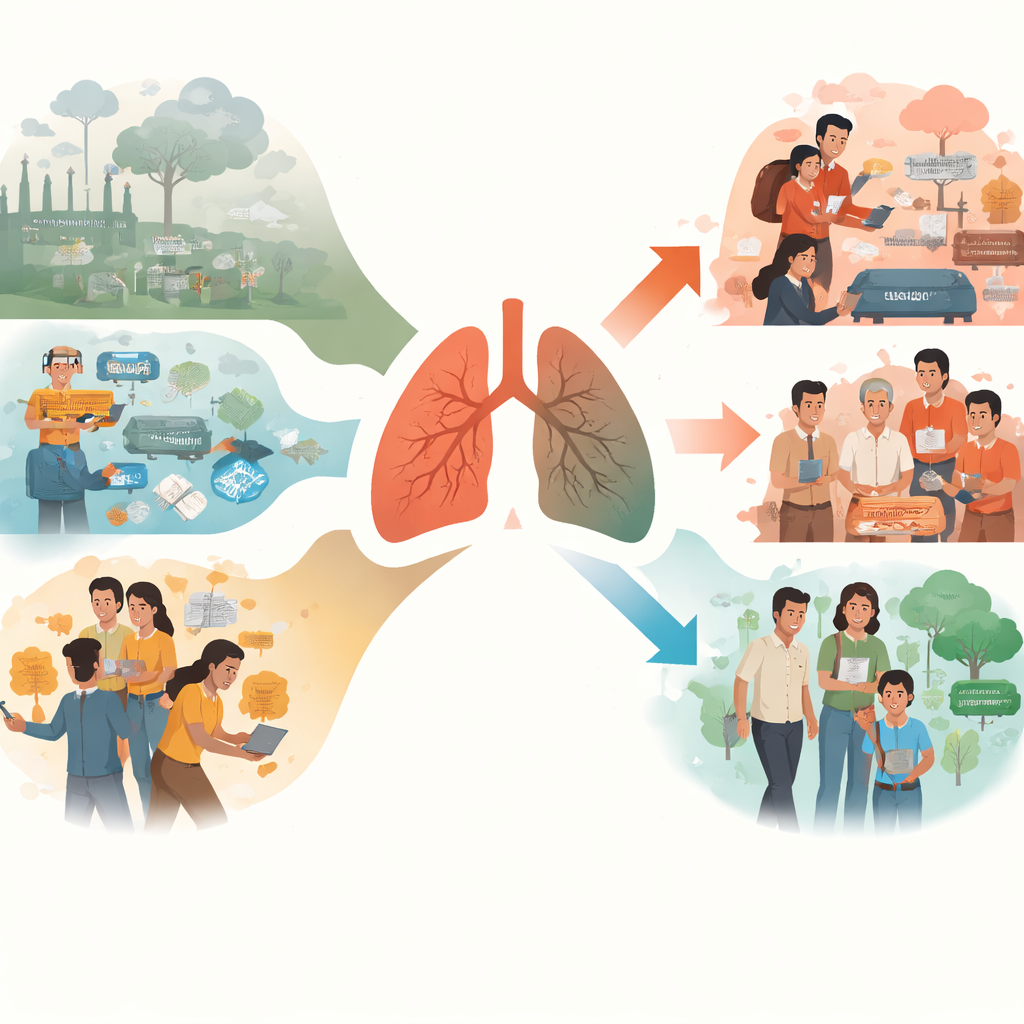
Work and family roles strongly colored how people experienced their illness. Men, especially those with chronic lung damage, often shifted from physically demanding jobs to more flexible but unstable work such as ride‑hailing, allowing them to rest when breathless but exposing them to income loss. Others stayed in dusty or fume‑filled workplaces, wearing masks yet still facing repeated flare‑ups. Women, most of whom had asthma, spoke less about wages and more about care. They juggled their own shortness of breath with cooking, cleaning, childcare, and caring for older relatives. Pregnancy made breathing problems worse and raised fears for the baby. Some women said family members dismissed their symptoms as excuses to avoid chores, leaving them feeling guilty and misunderstood even as they pushed themselves to keep going.
Voices that can guide fairer care
Together, the photographs and stories paint a picture of people doing their best in an uneven playing field. Polluted air, tight finances, risky or unstable jobs, and unequal expectations at home all stack the odds against people with chronic breathing problems, even in a country that promises universal healthcare. Yet the same images also show resilience: patients carefully following treatment, adjusting routines, leaning on faith, and supporting their families. The authors argue that health services and policymakers need to listen to these lived experiences when designing cleaner air policies, fairer access to medicines, better protection at work, and support for caregivers. By building patient‑driven, culturally sensitive solutions into primary care, countries like Malaysia can make the simple act of breathing a little less of a daily struggle.
Citation: Salim, H., Hanafi, N.S., Cheong, A.T. et al. Revealing inequities in chronic respiratory disease (CRD) care: An adapted Photovoice qualitative study in Malaysian primary care settings. npj Prim. Care Respir. Med. 36, 28 (2026). https://doi.org/10.1038/s41533-025-00476-0
Keywords: chronic respiratory disease, health inequities, Malaysia, air pollution, Photovoice