Clear Sky Science · en
Comparative activity of sulbactam and sulbactam/durlobactam against carbapenem-resistant A. baumannii isolates producing OXA-23 or OXA-23 plus PER-1 enzymes
Why this matters for hospital infections
Hospitals around the world are battling a tough enemy: a germ called Acinetobacter baumannii that shrugs off many of our strongest antibiotics. These infections often strike people in intensive care units and can be deadly when standard drugs fail. This study explores whether a newly approved drug combination, sulbactam/durlobactam, can overcome this resistance and what might cause it to fail in the rare cases where it does not work.
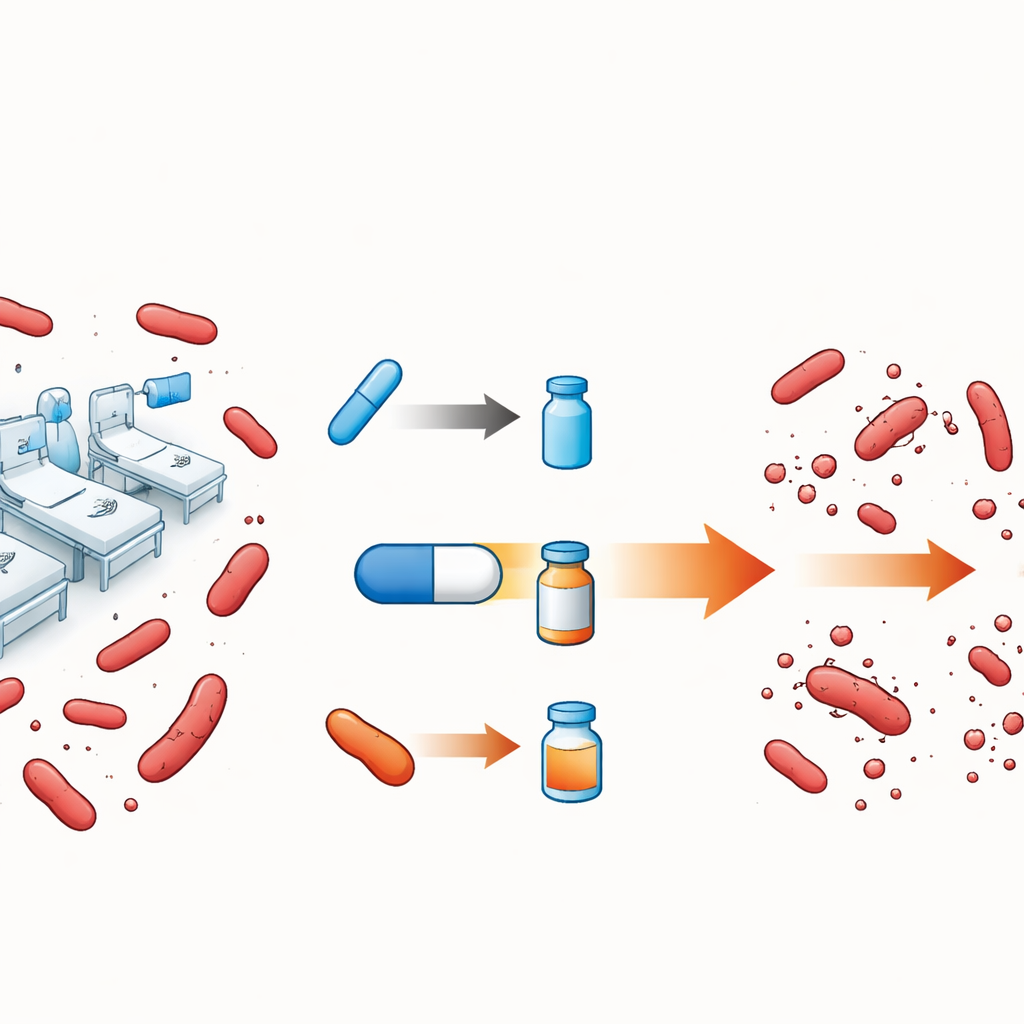
A dangerous germ in the intensive care unit
A. baumannii is an opportunistic bacterium that tends to infect the sickest patients, especially those on ventilators or with bloodstream infections. Many strains have become resistant to carbapenems, a powerful class of “last resort” antibiotics. This resistance is often driven by special enzymes that chop up these drugs before they can act. In Türkiye, where this study took place, such hard-to-treat strains are common, and new treatment options are urgently needed to protect vulnerable patients.
An old helper and a new partner
Sulbactam is an older drug that has a useful twist: beyond blocking some resistance enzymes, it can directly attack A. baumannii by binding to key proteins in the cell wall. The problem is that other bacterial enzymes can destroy sulbactam, limiting its usefulness. Durlobactam is a newer molecule designed to shield drugs like sulbactam from many of these destructive enzymes. Used together, sulbactam/durlobactam was recently approved in the United States for serious lung infections caused by this group of bacteria, raising hopes that it could reclaim ground lost to resistance.
Testing the new combination in resistant strains
The researchers examined 24 highly resistant clinical isolates of A. baumannii taken from blood and breathing-related samples in 2020–2021. All carried a carbapenem-resistance gene called OXA-23; half also carried an additional resistance gene, PER-1. The team measured how much sulbactam alone, and sulbactam/durlobactam together, were needed to stop bacterial growth in the lab. Only one isolate was clearly treatable with sulbactam by itself, highlighting how limited this older drug has become. In stark contrast, 22 out of 24 isolates (about 92%) were treatable when sulbactam was paired with durlobactam, and the amount of drug needed fell sharply when the combination was used.
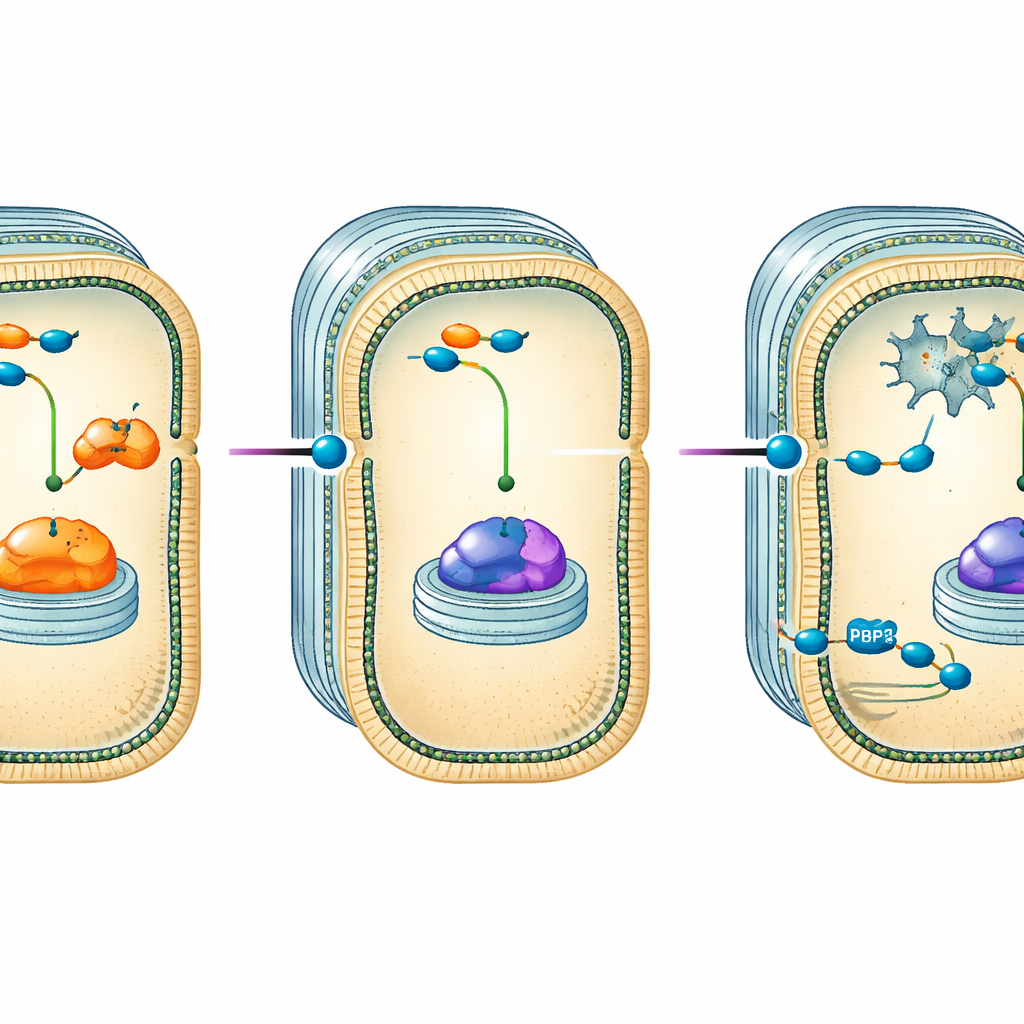
Why a few strains still resisted
Two isolates resisted the new combination, including one with very high resistance. To understand why, the scientists sequenced their entire genomes and compared them with a susceptible strain. All three carried several typical resistance enzymes, but these alone could not explain the failure of sulbactam/durlobactam. Instead, both resistant isolates had changes in a crucial cell-wall protein called PBP3, the main target of sulbactam. One strain carried specific substitutions in PBP3 and had lost a regulator that normally keeps a drug-pumping system (an efflux pump) in check, likely allowing the cell to expel more drug. The second strain had an extra amino acid inserted into PBP3, a structural tweak that may greatly weaken the drug’s grip on its target.
What this means for future treatment
For a general reader, the take-home message is that sulbactam/durlobactam looks like a powerful new option against a fearsome hospital pathogen, successfully disabling resistance in roughly nine out of ten highly resistant strains in this study. However, the bacteria can still fight back by subtly reshaping the protein that the drug needs to hit, or by pumping the drug out more efficiently. These findings underscore both the promise and the fragility of new antibiotics: they can restore hope where older drugs fail, but evolution is always searching for loopholes. Careful use of sulbactam/durlobactam and continued monitoring for emerging resistance will be essential to keep this new weapon effective for the patients who need it most.
Citation: Mirza, H.C., Üsküdar Güçlü, A., Ünlü, S. et al. Comparative activity of sulbactam and sulbactam/durlobactam against carbapenem-resistant A. baumannii isolates producing OXA-23 or OXA-23 plus PER-1 enzymes. J Antibiot 79, 402–409 (2026). https://doi.org/10.1038/s41429-026-00919-x
Keywords: Acinetobacter baumannii, antibiotic resistance, sulbactam durlobactam, hospital infections, beta-lactamase