Clear Sky Science · en
Dietary intake and the risk of monoclonal gammopathy of undetermined significance: results from the population-based iStopMM screening study
Why what we eat and hidden blood changes matter
Most of us think about diet in terms of weight, heart health, or blood sugar. This study looks at something far less familiar but important: a quiet change in the blood called monoclonal gammopathy of undetermined significance, or MGUS, which can come before a cancer of the bone marrow. The researchers asked whether everyday eating habits might influence who has MGUS, and whether certain foods could be linked to particular types of this condition.
A nationwide look at diet and silent blood changes
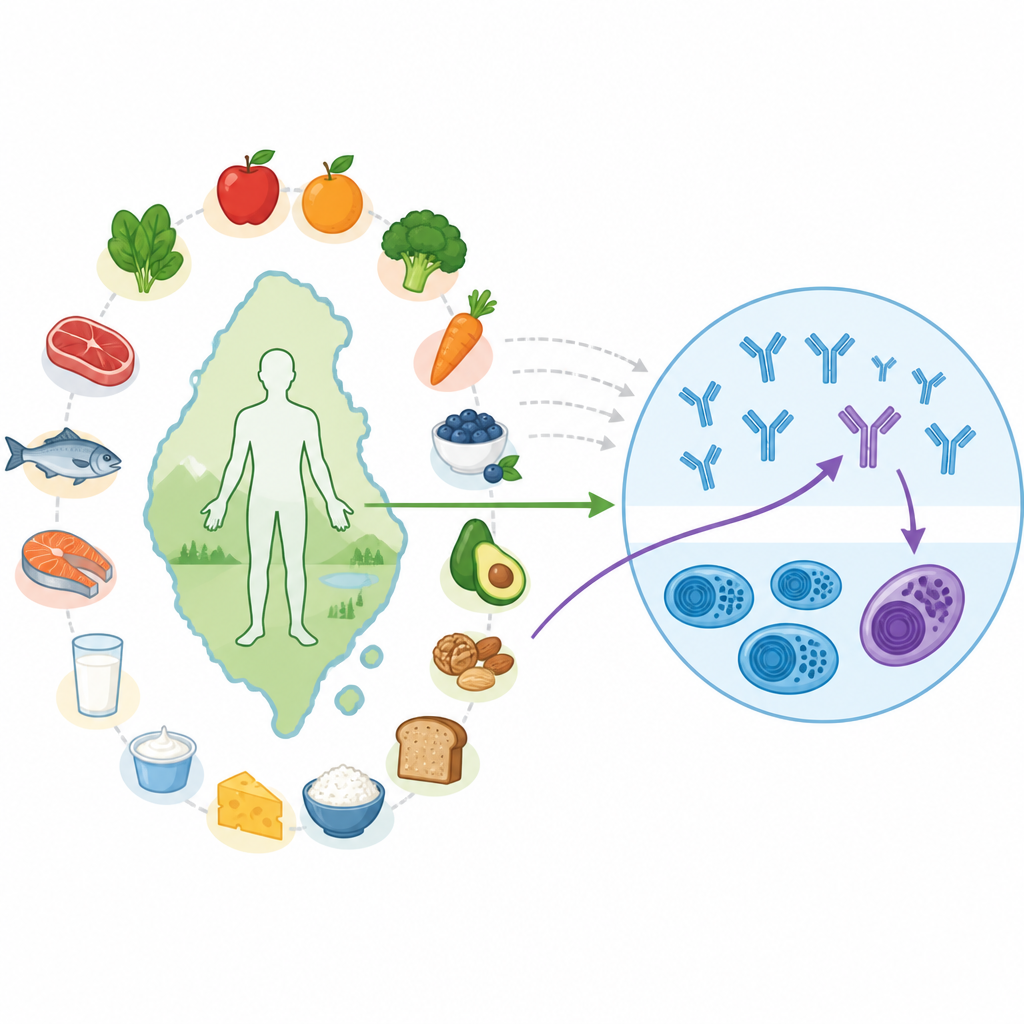
In Iceland, more than 75,000 adults over 40 took part in a national screening program that tested their blood for signs of MGUS. From this large group, about 27,000 later filled out a detailed questionnaire about their diet and lifestyle, covering how often they ate foods such as red meat, fish, dairy, fruits, vegetables, and wholegrain bread. At the time of screening, just over 1,000 of these people had MGUS, usually without any symptoms. This unique setup allowed the team to compare the diets of people with and without MGUS in the same population.
Patterns of eating, not just single foods
Rather than looking only at single items on the plate, the scientists first grouped foods into broader eating styles using a statistical method that spots patterns in the data. They identified five main patterns: one rich in fruits and vegetables, one centered on red meat, a sweet-focused pattern, a bread-heavy pattern, and a fish-meal pattern. People were scored on how closely their diets matched each pattern. The researchers then asked whether people with a strong tilt toward any of these ways of eating were more likely to have MGUS than those with low adherence to the same pattern, while taking into account age, sex, education, and physical activity.
What they found about diet and overall MGUS
The main finding is that, in this large Icelandic group, everyday diet did not seem to play a major role in whether someone had MGUS at all. None of the five eating patterns showed a meaningful link with MGUS once other factors were considered. The same was true when the team examined single food groups, including red meat, fish, fruits, vegetables, and wholegrain bread. Earlier, smaller studies in other countries had suggested that high intake of processed meats or sugary drinks might raise MGUS risk, while fruits and whole grains might lower it. This new analysis, however, did not confirm those earlier signals, suggesting that if diet affects the first appearance of MGUS, the effect is likely to be modest.
A special signal from dairy and one MGUS subtype
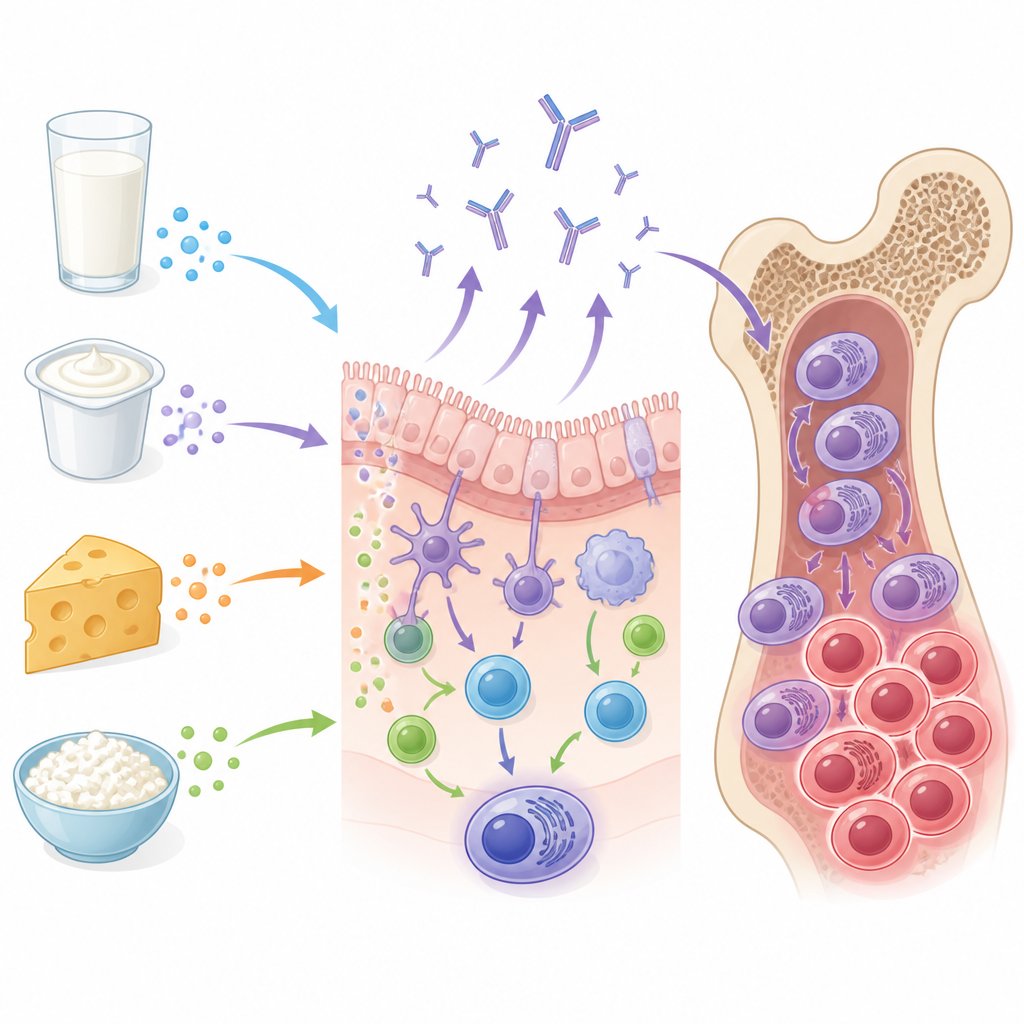
When the researchers looked more closely at MGUS subtypes, a different picture emerged for one group called IgA MGUS. This subtype is linked to a kind of antibody often made in response to signals from the gut. Here, people who reported the highest intake of dairy products, more than ten servings per week, had about twice the odds of having IgA MGUS compared with those who consumed dairy less than one and a half times per week. The relationship showed a clear dose pattern, meaning that higher dairy intake went hand in hand with higher odds of this subtype. This link held up across different statistical approaches, although the study design cannot prove that dairy intake actually causes IgA MGUS.
What this means for everyday readers
For most people, these results suggest that general eating habits are unlikely to be a dominant driver of whether they develop MGUS, and therefore may not be a major early cause of multiple myeloma. The possible exception is a specific subtype, IgA MGUS, where frequent dairy consumption showed a consistent association. Because the diet questions were asked years after MGUS was found, and because people may misremember or change what they eat, the findings need to be treated with caution and confirmed in other settings and populations. Still, the work shows that diet and the immune system in the gut may interact in complex ways, and it points researchers toward studying whether diet might influence not just the appearance of MGUS, but also how likely it is to progress over time.
Citation: Hallsson, S., Gunnarsdottir, I., Thordardottir, M. et al. Dietary intake and the risk of monoclonal gammopathy of undetermined significance: results from the population-based iStopMM screening study. Blood Cancer J. 16, 77 (2026). https://doi.org/10.1038/s41408-026-01480-4
Keywords: MGUS, multiple myeloma, dietary patterns, dairy consumption, blood cancer risk