Clear Sky Science · en
Abexinostat, a histone deacetylases inhibitor, for patients with relapsed or refractory follicular lymphoma: a multi-center, single-arm phase 2 study
Why this cancer study matters
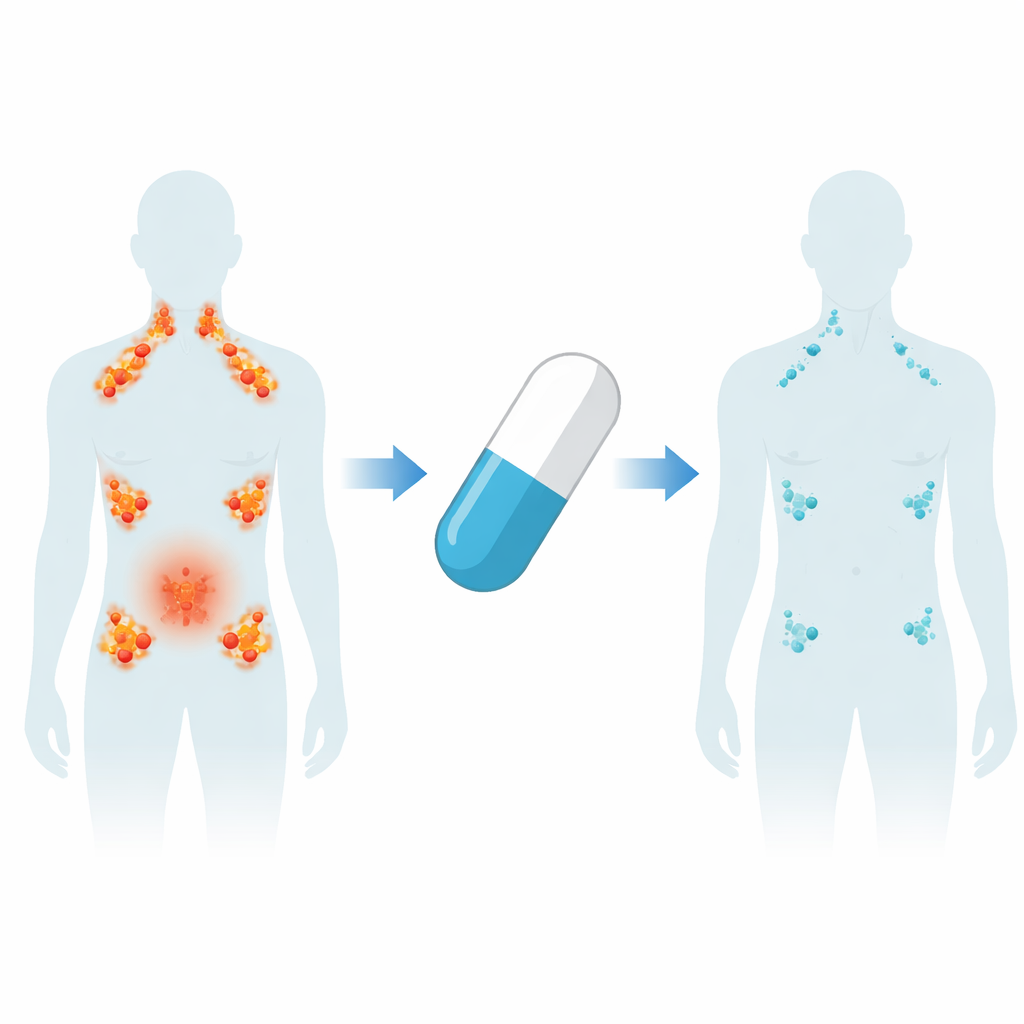
Follicular lymphoma is a slow‑growing blood cancer that often comes back after treatment, turning care into a long series of remissions and relapses. Many people eventually run out of good options, especially after several rounds of chemotherapy and antibody drugs. This study tests an oral medicine called abexinostat in such hard‑to‑treat cases, asking a simple question with big implications: can a pill that targets the cancer’s “control switches” shrink tumors and keep them in check without causing unbearable side effects?
A stubborn form of blood cancer
Follicular lymphoma arises from B cells, the white blood cells that normally help make antibodies. Unlike more aggressive lymphomas, it tends to grow slowly but is rarely cured. Patients often respond to first‑line treatments built around anti‑CD20 antibodies such as rituximab plus chemotherapy, and many receive maintenance antibody therapy to prolong remission. Yet about one in five patients relapses within two years of starting treatment, and repeated courses of therapy can lead to resistance, shorter remissions, and a heavy toll on quality of life. After two or more prior treatment lines, doctors have options—such as bispecific antibodies, CAR T‑cell therapies, and targeted pills—but each comes with its own limits in availability, complexity, cost, or side effects. New, manageable treatments that can be given as simple oral drugs remain highly desirable.
Rewiring cancer’s on–off switches
The study focuses on histone deacetylases, enzymes that help control how tightly DNA is packed and which genes are turned on or off. In follicular lymphoma, many tumors carry mutations in enzymes that add or remove small chemical tags on histones, disturbing this layer of control and helping cancer cells survive. Abexinostat belongs to a class of drugs called histone deacetylase (HDAC) inhibitors, which aim to loosen this abnormal DNA packing and reactivate genes that restrain tumor growth or trigger cell death. Earlier, smaller trials suggested that abexinostat could be active against B‑cell lymphomas at a dose of 80 milligrams twice a day, given one week on and one week off to balance effectiveness and tolerability. The new trial was designed to see how well this schedule works specifically in people with relapsed or refractory follicular lymphoma.
How the trial was run
Researchers in multiple cancer centers across China enrolled 90 adults whose follicular lymphoma had come back or failed to respond after at least two prior standard treatments that always included an anti‑CD20 antibody. Most had advanced‑stage disease and a median of three previous treatment lines, reflecting a heavily pretreated group. All participants received abexinostat capsules twice daily for seven days, followed by seven days off, in 28‑day cycles. Treatment continued until the cancer progressed, side effects became unacceptable, or the patient or doctor chose to stop. An independent review committee, using standardized imaging rules, assessed how much tumors shrank, how long responses lasted, how long patients lived without progression, and overall survival.
What the researchers found
Among 82 patients with evaluable scans and adequate prior therapy, nearly 70% had their tumors shrink by at least half, and about 15% saw all detectable disease disappear on imaging. Overall disease control—including partial shrinkage and stable disease—was above 90%, and tumor size decreased in almost nine out of ten patients. The typical duration of response was about 14 months, and patients went a median of almost 14 months before their disease worsened again. Overall survival approached four years at the time of analysis, with most patients still alive. These results are in the same ballpark as several other modern third‑line options, despite abexinostat being used alone rather than in combination with other drugs.
Side effects and safety balance
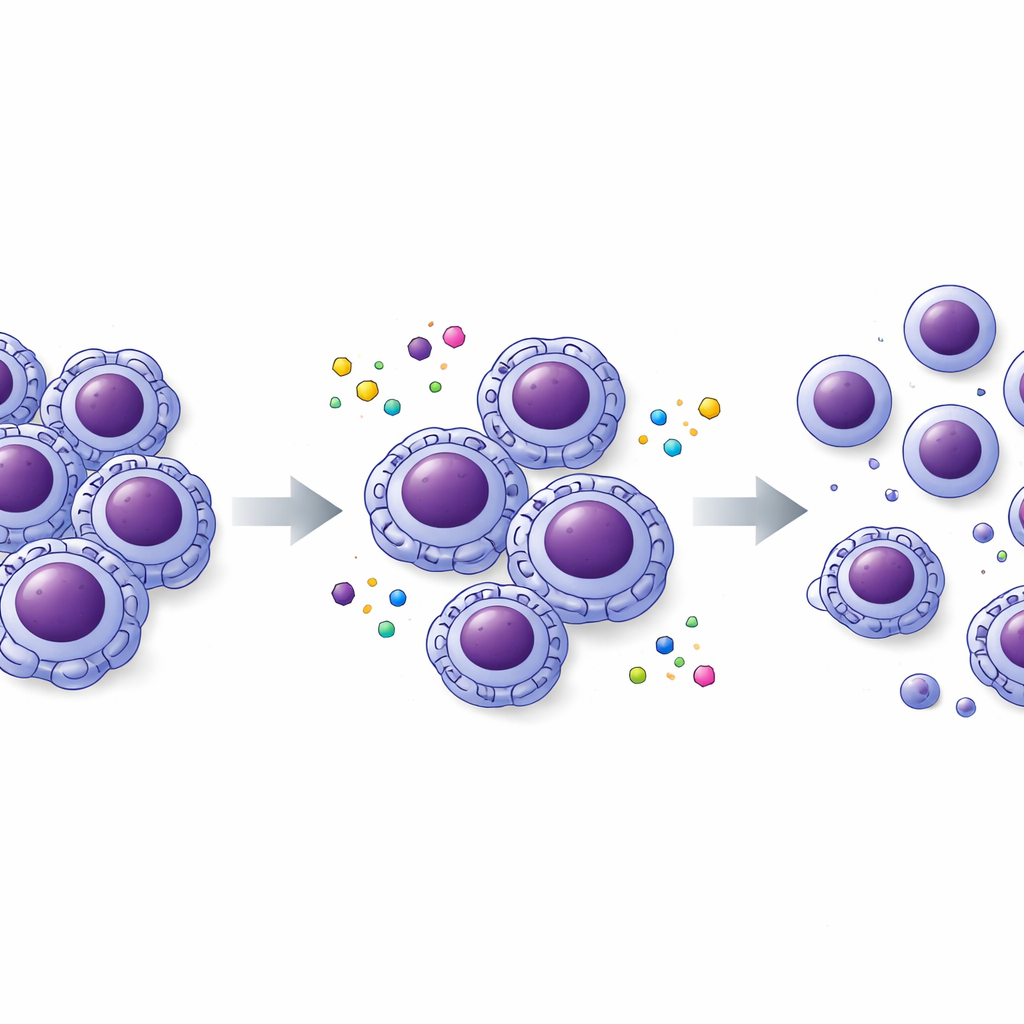
The main trade‑off with abexinostat was its effect on the bone marrow, where blood cells are made. More than half of patients developed low platelet counts, and many had drops in white blood cells, especially neutrophils, which can raise infection risk. However, these blood changes were usually reversible with dose pauses or adjustments, and only three patients stopped treatment because of side effects. Two deaths occurred from brain bleeding and COVID‑19 infection, but investigators judged both unrelated to the drug. No treatment‑related deaths were seen. Compared with some other advanced therapies for follicular lymphoma—which can cause intense immune reactions such as cytokine release syndrome—abexinostat’s side‑effect pattern, while significant, appeared generally manageable with careful monitoring.
What this could mean for patients
For people whose follicular lymphoma has relapsed multiple times, abexinostat offers a promising new option: a home‑taken pill that can shrink or stabilize tumors in a large majority of patients for more than a year on average, with side effects that, though common, are mostly controllable. Because this was a single‑arm study in Chinese patients without a comparison group, the findings need confirmation in broader, randomized trials. Such studies are already underway, including combinations of abexinostat with other agents. Still, this phase 2 trial suggests that targeting the cancer’s epigenetic “dimmer switches” can translate into real‑world benefit and may soon expand the toolkit for managing this chronic yet stubborn blood cancer.
Citation: Gui, L., Liu, H., Wang, H. et al. Abexinostat, a histone deacetylases inhibitor, for patients with relapsed or refractory follicular lymphoma: a multi-center, single-arm phase 2 study. Sig Transduct Target Ther 11, 154 (2026). https://doi.org/10.1038/s41392-026-02646-z
Keywords: follicular lymphoma, abexinostat, epigenetic therapy, relapsed refractory cancer, histone deacetylase inhibitor