Clear Sky Science · en
Revisiting time to blood culture positivity: can we decrease antibiotic exposure in the NICU?
Why this matters for newborn care
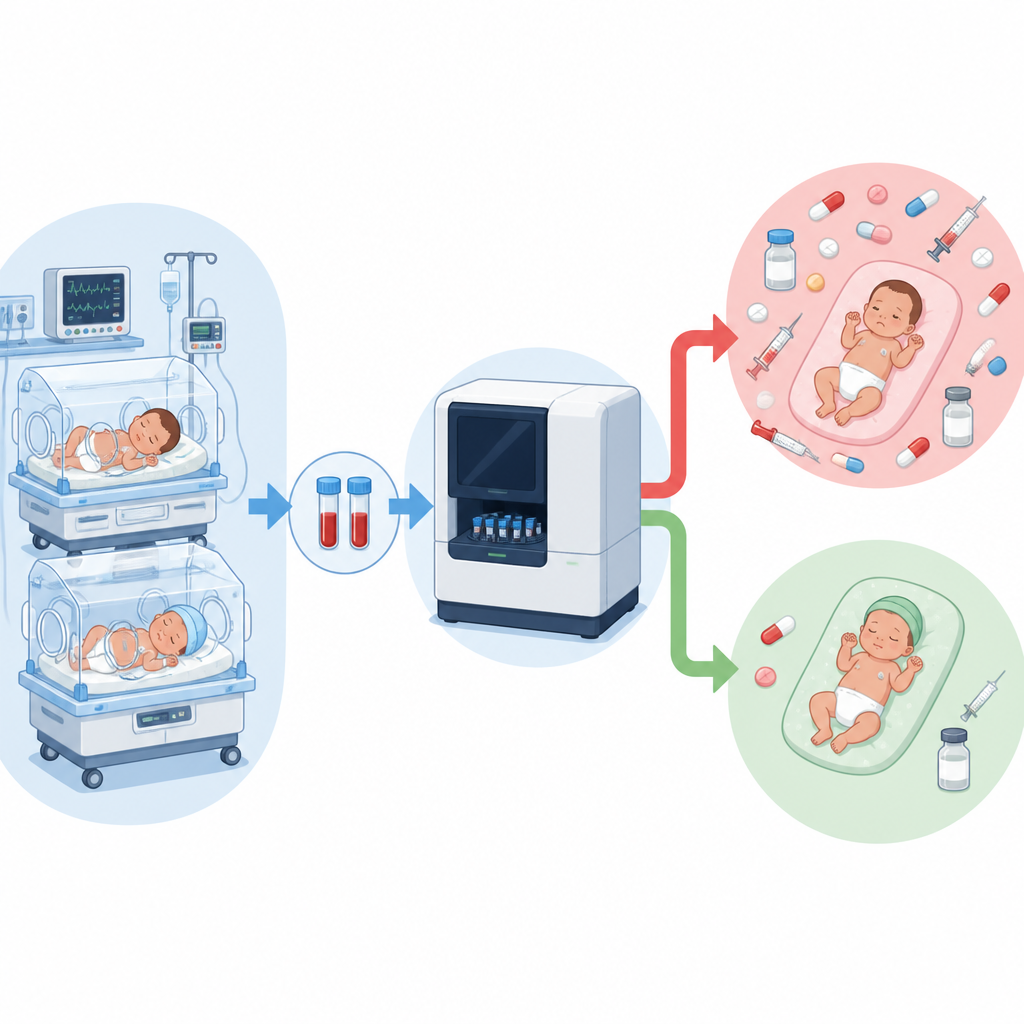
Parents of babies in intensive care often face a painful trade-off: doctors must start powerful antibiotics quickly to treat possible infections, but those same drugs can carry risks for fragile newborns. This study asks a practical question with big implications for families and clinicians alike: how fast do blood tests for infection usually turn positive in a busy neonatal intensive care unit, and can that timing be used to safely shorten how long babies stay on antibiotics?
Looking at real-life experience in one nursery
The research team reviewed five years of blood culture results from infants admitted to a single neonatal intensive care unit. Blood cultures are small bottles of blood placed in a machine that detects growing germs. The investigators focused on how many hours passed from drawing the blood to the machine signaling bacterial growth, a measure called time to positivity. They included both early infections that appear in the first three days of life and later infections that arise after the first 72 hours, and they linked lab results to each baby’s age, birth timing, and other medical details.
What the blood cultures revealed
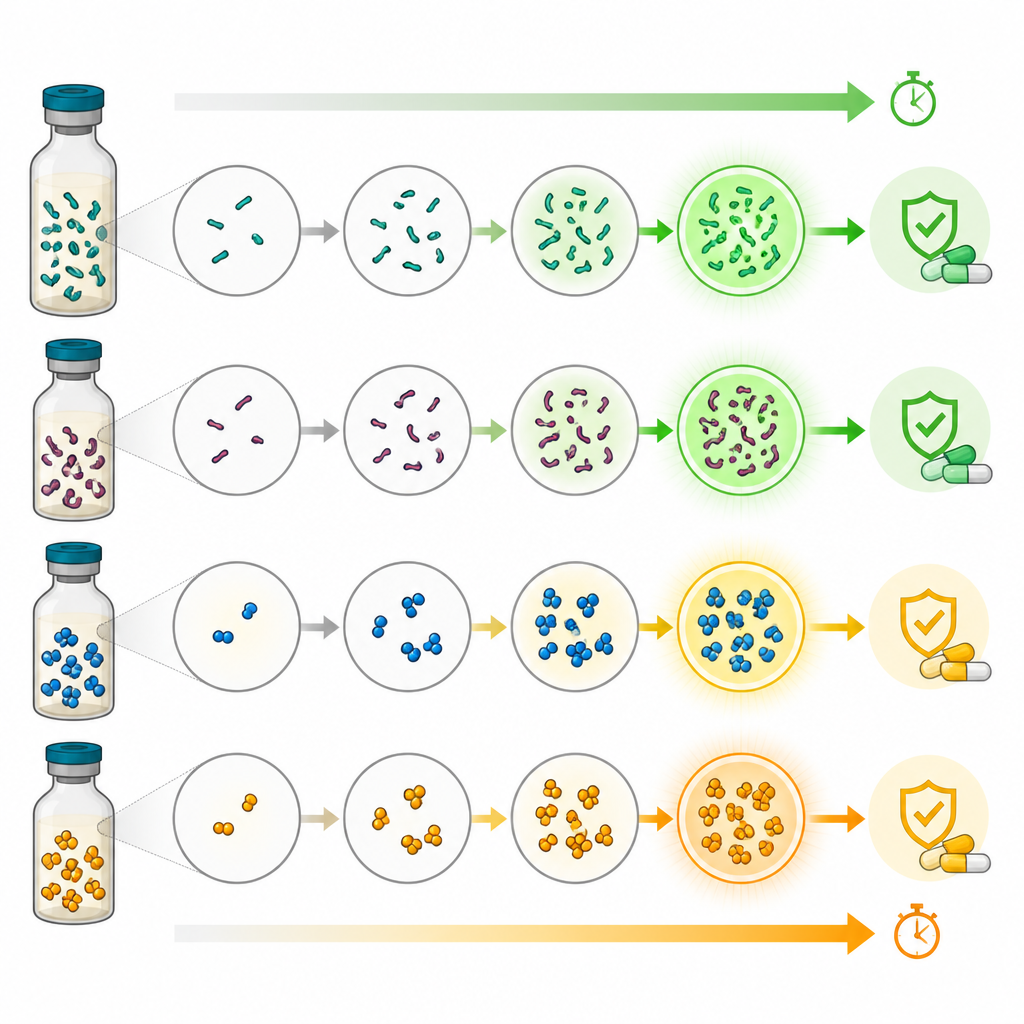
Among 125 infants, there were 264 positive blood cultures over the study period, and most of them occurred after the first three days of life. Overall, when all types of organisms were included, only about 60 percent of cultures had turned positive by 24 hours, although nearly all were positive by 48 hours. When the team narrowed the analysis to bacteria that are usually considered true threats and are covered by standard first-choice antibiotics, 84 percent of cultures were positive by 24 hours and all were positive by 48 hours. Germs known as gram-negative bacteria tended to show up faster in the machine than gram-positive bacteria, and early infections tended to appear somewhat sooner than late infections.
Which babies had faster results
The researchers also explored which baby and pregnancy factors were linked with quicker or slower test results. Babies born at higher gestational ages tended to have slightly shorter times until their cultures turned positive. When mothers had a fever around the time of birth, their babies’ positive cultures, especially in the first week of life, were more likely to show up within 24 hours. In contrast, classic blood markers of infection, such as white blood cell counts and inflammation tests, did not reliably predict how quickly bacteria would be detected in the cultures.
What this means for antibiotic decisions
The neonatal unit that carried out the study currently stops routine antibiotics after 36 hours if cultures remain negative. The team hoped their local data might support cutting that window to 24 hours, which would mean fewer antibiotic doses for many babies. However, because their goal was to capture at least 90 percent of true bacterial infections by 24 hours and the data showed only 84 percent of important pathogens by that time point, they concluded that a blanket switch to 24 hours would be unsafe. One exception was early infections caused by gram-negative bacteria, which were almost always detected within 24 hours, suggesting that one part of the antibiotic mix might sometimes be shortened in this narrow setting.
Take-home message for families
This study shows that while many dangerous bacteria in newborns are detected quickly, a meaningful share still take longer than a day to appear in blood culture machines. For this neonatal unit, stopping all antibiotics at the 24-hour mark would risk missing some serious infections, so their practice of waiting at least 36 hours remains justified. At the same time, the work reinforces that each hospital should carefully examine its own data before changing antibiotic routines and that the bigger opportunity to reduce unnecessary drug exposure may lie in avoiding prolonged treatment when cultures never turn positive at all.
Citation: Graf, R.J., Edwards, A., Crowley, M.A. et al. Revisiting time to blood culture positivity: can we decrease antibiotic exposure in the NICU?. J Perinatol 46, 726–731 (2026). https://doi.org/10.1038/s41372-026-02629-6
Keywords: neonatal sepsis, NICU antibiotics, blood culture timing, early-onset sepsis, late-onset sepsis