Clear Sky Science · en
Analgesia and sedation trends in a level IV NICU, 2014–2024: Opioid and dexmedetomidine use
Why Tiny Patients and Their Comfort Matter
Babies in neonatal intensive care units (NICUs) often face more medical procedures in their first weeks of life than many adults do in years. Keeping these fragile newborns comfortable and safely sedated is crucial, not only to get them through surgeries and breathing support, but also to protect their developing brains. This study looks back over 11 years in a high-level NICU to see how doctors’ use of pain medicines and sedatives has changed, and what those shifts might mean for the tiniest patients.
How Care Was Tracked Over a Decade
Researchers reviewed the medical records of over a thousand NICU admissions between 2014 and 2024 at a major academic hospital. They focused on babies who received at least one pain-relieving or sedating drug, including opioids like morphine and fentanyl, and sedatives such as midazolam and dexmedetomidine. The team divided the 11 years into three time periods and examined who the babies were, how sick they were, which drugs they received, and how those medicines were delivered. They paid particular attention to continuous infusions—steady drips of drugs given around the clock—because these are common in the sickest infants and shape overall exposure.
Shifting From One Main Drug to Mixing Medicines
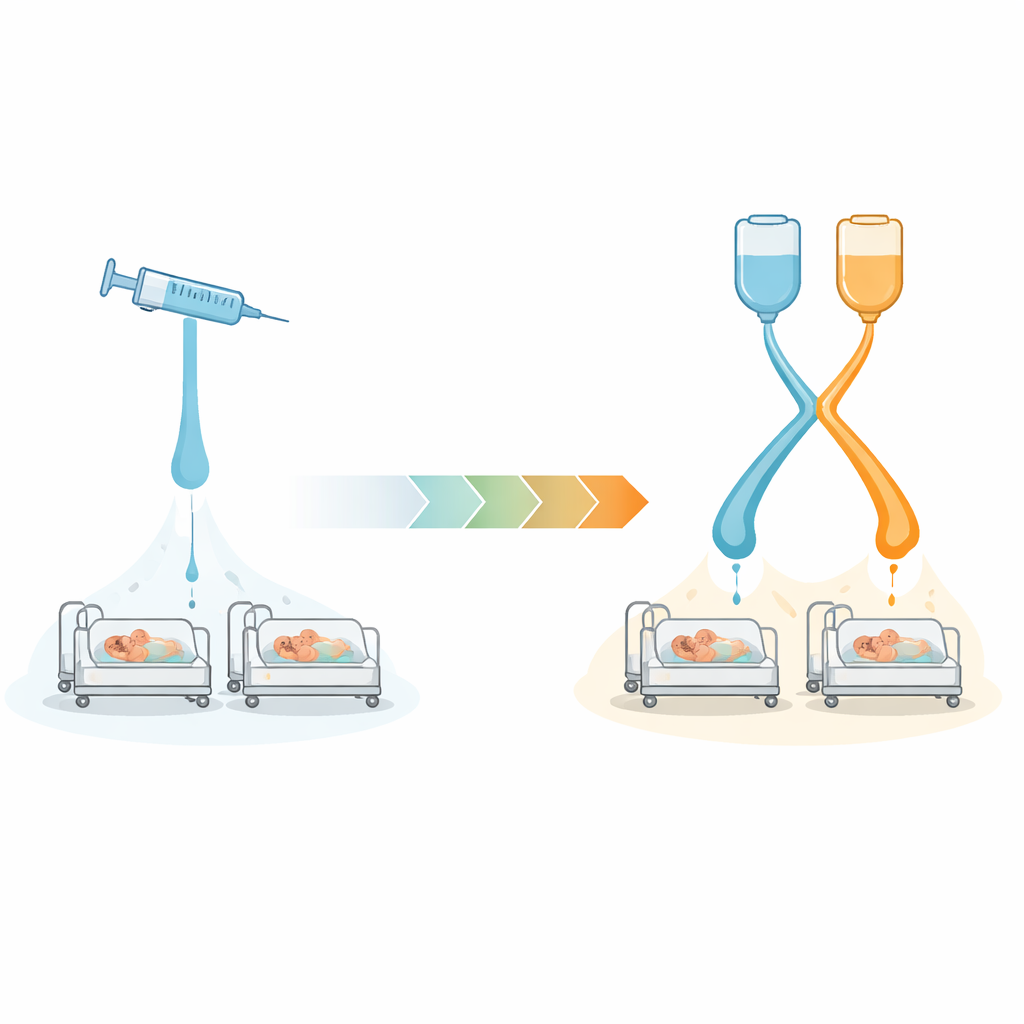
Over time, the babies needing these medicines became more fragile: they were born earlier, weighed less, and more often had serious heart and lung problems or infections. Against this backdrop, the way doctors used pain and sedative drugs changed noticeably. Early in the study, morphine given as a steady drip was the workhorse for ongoing pain control. By the final years, the share of infants on any continuous infusion had climbed, and the most common regimen was no longer morphine alone but morphine paired with dexmedetomidine, a sedative that does not slow breathing as much as opioids do. Dexmedetomidine use via continuous drip jumped more than fivefold, while reliance on fentanyl boluses and some older infusion combinations declined or fluctuated.
What the New Drug Combinations Looked Like
Among babies receiving continuous infusions, straightforward morphine-only treatment steadily gave way to combination approaches. Regimens that paired morphine with dexmedetomidine became the most frequent, and dexmedetomidine by itself also became more common. Triple combinations that added midazolam on top of morphine and dexmedetomidine appeared more often as well, especially in infants needing very long courses. Most babies started on a given regimen and either stayed the same or gradually stepped down to no infusion rather than escalating to more complex mixtures, but a sizable group remained on multi-drug therapy for more than two weeks.
Higher Doses and Growing Safety Questions
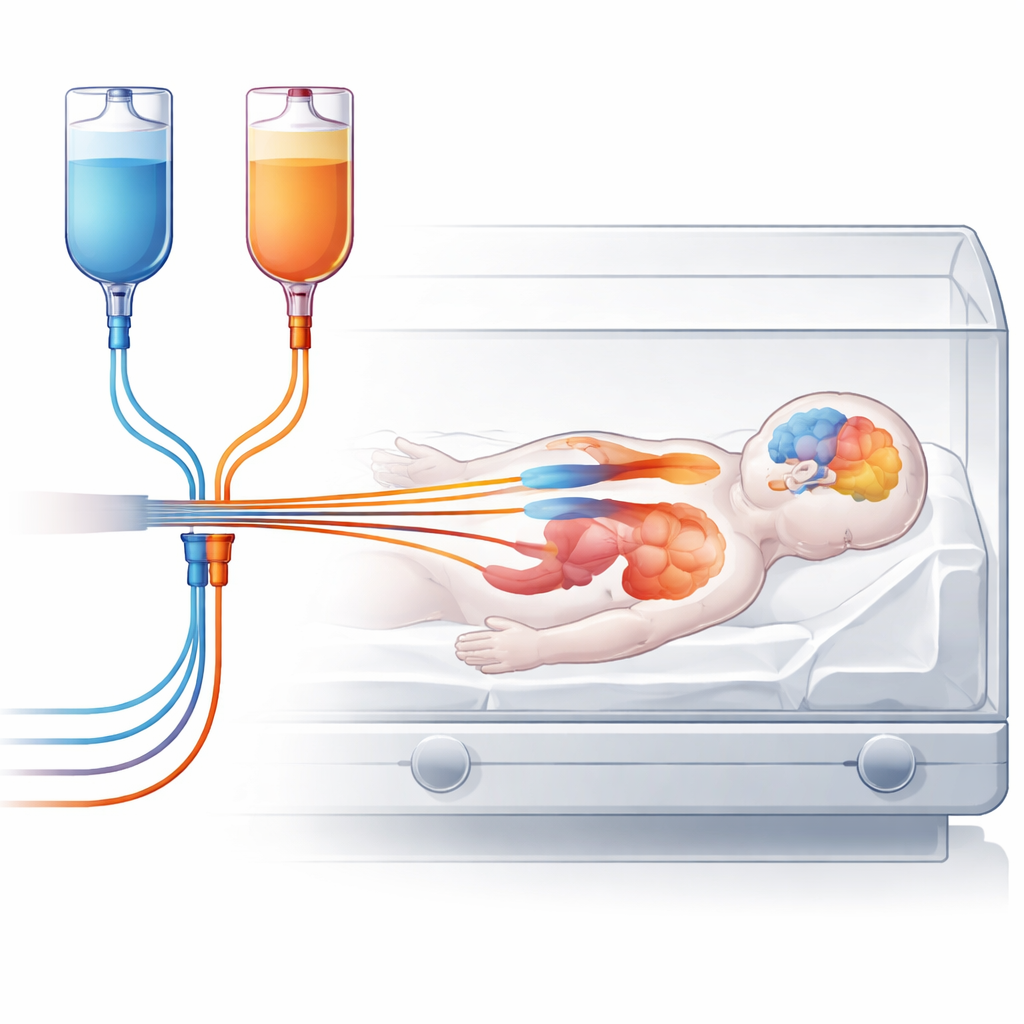
When morphine and dexmedetomidine were used together, both drugs tended to be given at higher average rates than when either was used alone. That pattern likely reflects that the sickest babies, with the greatest need for deep and steady comfort, were the ones receiving multiple drugs. Still, the infusion levels of dexmedetomidine in combination often exceeded those reported in earlier, smaller trials. The study also showed that benzodiazepines like midazolam, which have been linked to possible long-term developmental risks, were used less often on their own but persisted within triple-drug regimens that sometimes lasted many days. The authors caution that they could not measure how well babies were actually sedated, how easily they came off breathing machines, or their later development, so the clinical impact of these changing patterns remains uncertain.
What This Means for Families and Future Care
Put simply, over 11 years this NICU moved from mostly relying on morphine alone to more frequent use of combined morphine–dexmedetomidine drips for its sickest newborns, often at higher doses and in increasingly fragile infants. These shifts may reflect efforts to keep babies more comfortable and stable, but they also raise concerns about how much medicine is too much for a developing brain. The authors argue that NICUs need clearer, evidence-based guidelines that balance comfort and safety, and they call for larger, multi-hospital studies that track not just which drugs are used, but how those choices affect withdrawal, breathing, hospital recovery, and long-term learning and growth.
Citation: Lim, S.Y., Majeedi, A. & McAdams, R.M. Analgesia and sedation trends in a level IV NICU, 2014–2024: Opioid and dexmedetomidine use. J Perinatol 46, 605–611 (2026). https://doi.org/10.1038/s41372-026-02586-0
Keywords: neonatal intensive care, opioid analgesia, dexmedetomidine, infant sedation, NICU pain management