Clear Sky Science · en
Gut microbiota modulation of epigenetic target EHMT2: Lacticaseibacillus rhamnosus Fb7-311 regulated renal cell carcinoma apoptosis and metastasis
Why your gut might matter for kidney cancer
Researchers are uncovering surprising links between the bacteria living in our intestines and cancers in distant organs. This study explores how a specific gut microbe and a molecular "switch" inside kidney cancer cells work together to control whether tumors grow or self-destruct. Understanding this connection could open the door to new treatments that combine precision drugs with carefully chosen probiotics.
A deadly kidney cancer in need of new options
Renal cell carcinoma is the most common form of kidney cancer and is often deadly once it spreads beyond the kidney. Surgery, radiation, immune therapies and targeted drugs help some patients, but many still face a poor outlook, especially when the disease has already metastasized. The authors focused on a protein inside cells, called EHMT2, that helps pack DNA more tightly and silence certain genes. By analyzing large public cancer datasets and patient tissue samples, they found that kidney tumors produce much more EHMT2 than normal kidney tissue, and that patients with higher levels of this protein tend to have shorter survival.
Flipping the death switch inside tumor cells
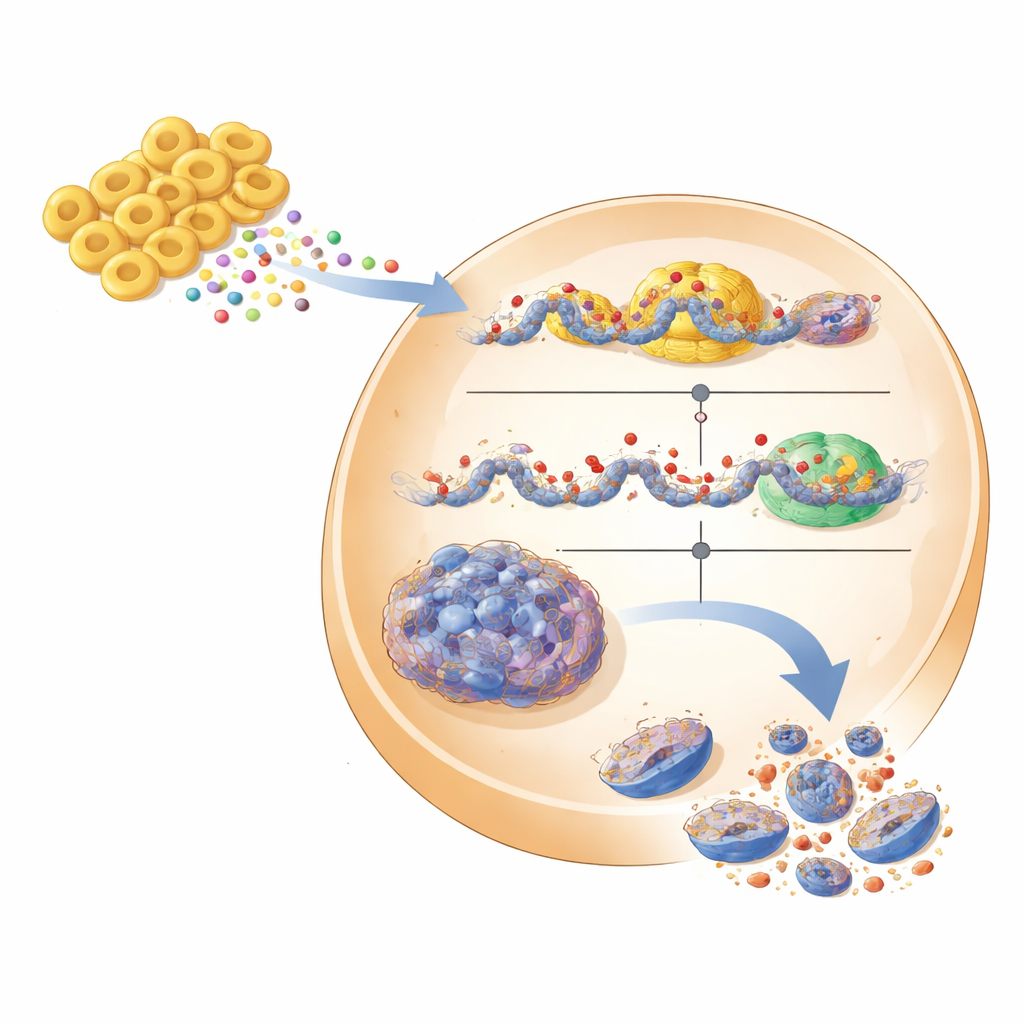
To see what EHMT2 actually does in kidney cancer, the team reduced its levels in two human renal cancer cell lines using genetic tools and a small-molecule inhibitor drug known as BIX-01294. In both cases, blocking EHMT2 slowed cell growth, triggered cell suicide (apoptosis) and reduced the ability of cancer cells to move and invade, behaviors linked to metastasis. The researchers traced these effects to another protein, DDIT3, which is normally kept low but can drive cells toward programmed death when activated under stress. They showed that EHMT2 chemically marks the DNA packaging near the DDIT3 gene in a way that keeps it turned off; when EHMT2 is removed or inhibited, these marks fade, DDIT3 levels rise and cancer cells are pushed toward self-destruction.
How a gut bacterium mimics a precision drug
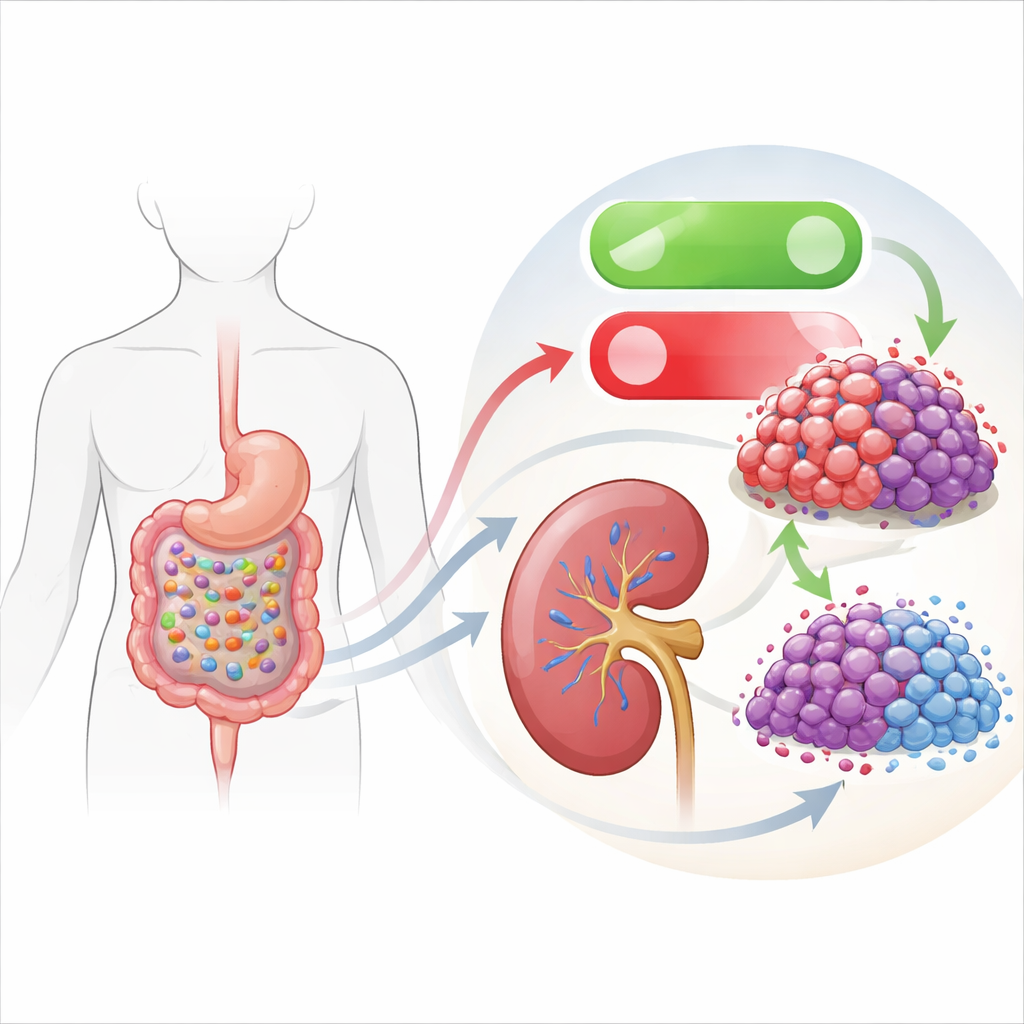
The most intriguing part of the work ties this internal death switch to the gut microbiota. The team screened culture broths from various intestinal bacteria and discovered that liquid from a strain called Lacticaseibacillus rhamnosus Fb7-311 strongly slowed kidney cancer cell growth. When tumor cells were exposed to this bacterial supernatant, they showed the same pattern seen with direct EHMT2 inhibition: lower EHMT2, higher DDIT3, more biochemical signs of apoptosis and less migration and invasion. The authors confirmed that the chemical marks near the DDIT3 gene were reduced, indicating that the bacterial products were indirectly loosening EHMT2’s grip on this key death-promoting gene.
Zooming in on a cancer-fighting microbial molecule
To pinpoint what in the bacterial broth was responsible, the researchers performed detailed chemical profiling of the supernatant and cross-referenced it with prior studies of anticancer metabolites. They narrowed the list to six candidates and tested them individually on kidney cancer cells. One compound, indole-3-carbinol—a molecule already known from cruciferous vegetables and some microbial pathways—stood out. It not only suppressed cell growth but also lowered EHMT2 levels and boosted DDIT3, reproducing the core molecular pattern triggered by the bacterium itself. This suggests that indole-3-carbinol, produced by Fb7-311, may be a key messenger that reprograms tumor cells toward death via epigenetic changes.
From lab models toward future therapies
To move closer to real-world conditions, the team tested their ideas in three-dimensional tumor spheroids, which better mimic solid tumors, and in mice carrying human kidney cancer grafts. In spheroids, knocking down EHMT2, treating with the inhibitor drug or adding the Fb7-311 supernatant all caused the compact tumor balls to fall apart, accompanied by higher DDIT3 and stronger cell-death signals. In mice, the EHMT2 inhibitor shrank tumors without obvious weight loss or major toxicity, and the treated tumors showed more DDIT3. While many hurdles remain—such as proving that Fb7-311 can safely colonize patients, that it produces the same metabolites in the human gut and that these reach the kidney intact—the work outlines a compelling path. It positions EHMT2 as a promising molecular target in renal cell carcinoma and suggests that a tailored probiotic or its purified metabolites might one day complement drugs to switch on built-in death programs in kidney tumors.
Citation: Lee, J., Lee, J., Tae, I.H. et al. Gut microbiota modulation of epigenetic target EHMT2: Lacticaseibacillus rhamnosus Fb7-311 regulated renal cell carcinoma apoptosis and metastasis. Exp Mol Med 58, 739–754 (2026). https://doi.org/10.1038/s12276-026-01659-6
Keywords: renal cell carcinoma, epigenetic therapy, gut microbiome, probiotic cancer treatment, indole-3-carbinol