Clear Sky Science · en
Gendered violence and epistemic injustice in Iran: women’s civic aspirations for justice
Why this story matters
Across the world, many women face violence not only in their homes and streets but also in the laws, customs, and institutions that are meant to protect them. This article looks at how women in Iran themselves understand violence against women and what they believe must change. Drawing on hundreds of anonymous responses gathered through Instagram, the authors show that Iranian women are not simply victims of abuse or unfair rules; they are also active thinkers and citizens who are imagining a more just future.
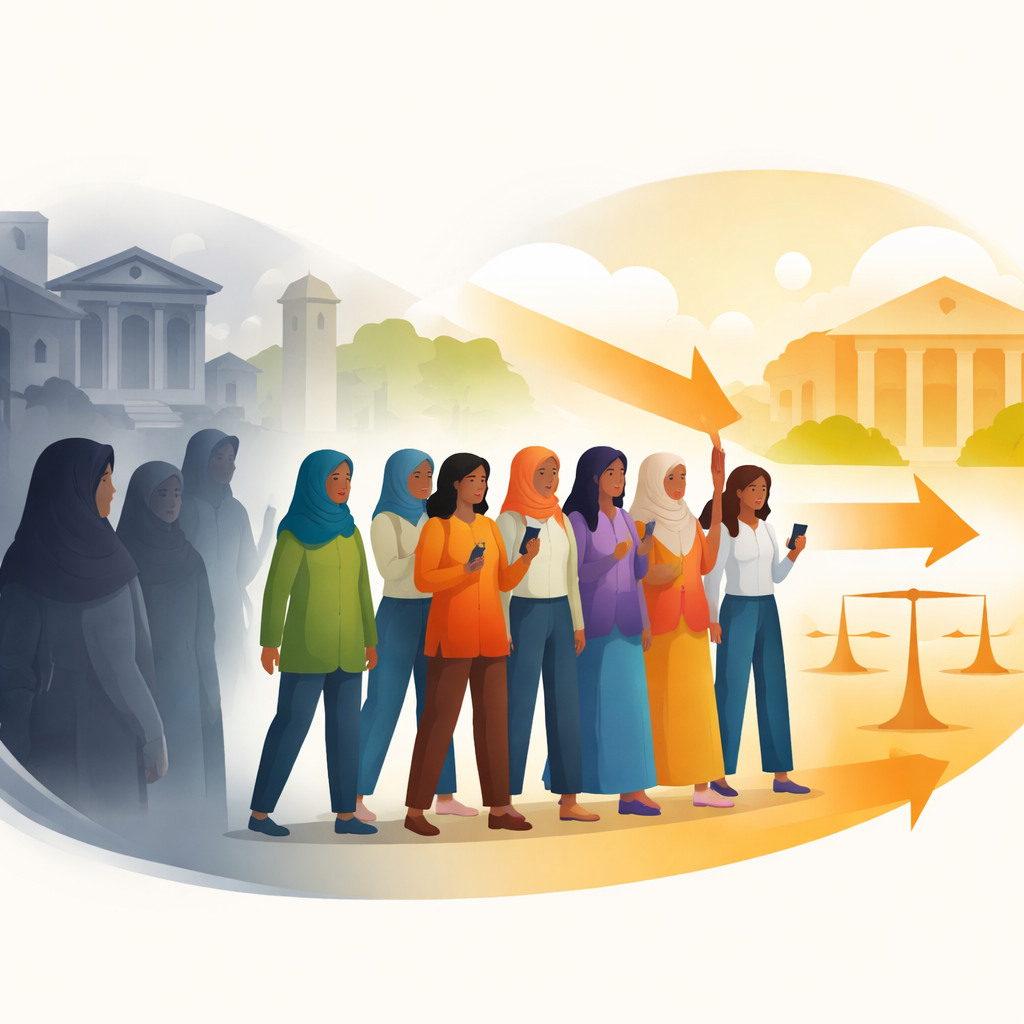
Listening to hidden voices
The researchers invited women and girls living in Iran, aged 16 to 59, to answer one open question online: what are your views and suggestions on violence against women and how can it be eliminated? Using Instagram made it possible to reach a large number of people quickly and safely, especially younger and urban users, though it also meant that women without internet access or who feared surveillance were less likely to take part. In total, 453 participants responded, and every one of them reported at least one form of violence in the wider survey. Instead of dwelling on the details of what had happened to them, most chose to concentrate on how to stop such violence from continuing.
Seeing violence in everyday life
Women in the study described many different forms of harm: emotional abuse, controlling behavior, physical and sexual violence, and harassment in public spaces. They also pointed to rules and customs that limit their freedom, such as laws that treat husbands or male relatives as guardians, or ideas about family honor that blame women for men’s actions. The authors use the idea of “epistemic injustice” to explain how women’s knowledge is often discounted. In Iran, this can mean that women’s stories of abuse are not believed in court or even within their own families, or that there is no shared language to describe subtle but damaging forms of control. Yet by writing about these issues in their own words, the participants claimed their right to define what counts as violence.
Calls for learning, courage, and support
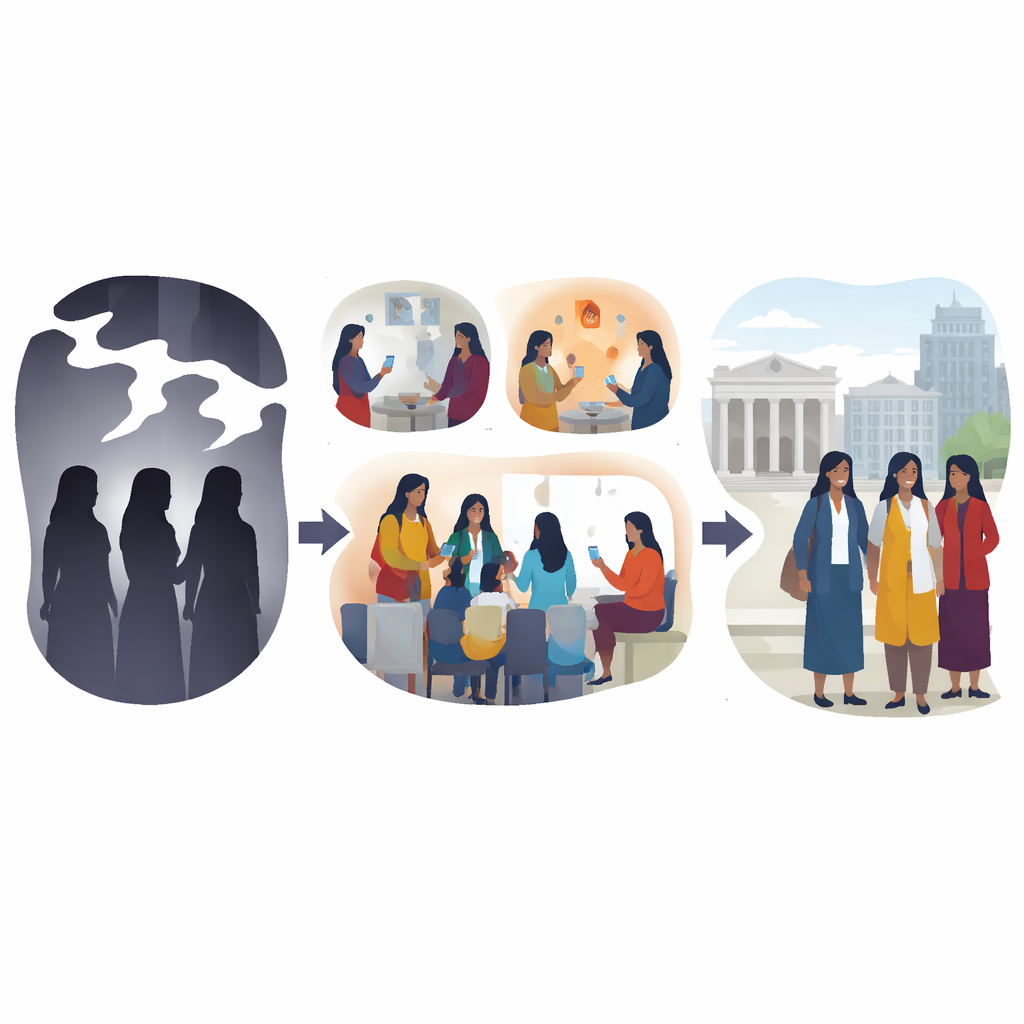
Three main themes ran through the women’s suggestions: education and awareness, challenging honor-based thinking, and changing the law. Many argued that boys and men must learn from a young age that women are not property and that control and abuse are unacceptable. Others stressed that girls and women need to know their rights, build self-confidence, and feel able to speak out. Participants saw schools, families, and media as key spaces where new attitudes could be shaped, and they highlighted the growing role of social media in spreading stories and support. At the same time, they were clear that personal strength is not enough; women need shelters, financial independence, and safe services so that leaving a violent situation does not mean facing poverty or homelessness.
Challenging honor and changing the rules
A striking number of responses directly questioned long-standing ideas about honor and reputation that pressure women to stay silent. Some women insisted that fear of gossip or shame should never outweigh safety and dignity. They criticized a legal system that, in their view, treats women as dependent on male guardians, demands sexual obedience in marriage, and often fails to punish even extreme cases of violence, such as so-called honor killings. Participants called for laws based on shared humanity rather than gender, and for judges and officials who truly value women’s lives. They also looked beyond Iran, noting that other Muslim-majority countries have reformed family and violence laws while still drawing on religious traditions.
Hopes for a fairer future
For readers outside Iran, the most powerful message of this study is that Iranian women are not waiting passively for change. Within tight political and cultural limits, they are naming the harms they face, questioning the stories that excuse those harms, and demanding reforms in schools, courts, families, and media. The authors describe this as a "civic aspiration for justice": a forward-looking desire to reshape how society understands violence and whose voices count. While the online survey cannot represent every woman in Iran, it reveals a strong shared belief that violence is neither normal nor inevitable, and that by being heard, women can help drive the long, difficult work of building a more just society.
Citation: Aghtaie, N., Hashemi, L. & Babakhani, F. Gendered violence and epistemic injustice in Iran: women’s civic aspirations for justice. Humanit Soc Sci Commun 13, 618 (2026). https://doi.org/10.1057/s41599-026-06952-3
Keywords: violence against women, Iranian women, gender equality, social justice, online activism