Clear Sky Science · en
The socio-technical engine driving hotel live streaming engagement: insights from PLS-SEM, NCA, and cIPMA
Why watching hotel live streams matters
Hotel live streams are turning what used to be static brochure photos into real-time shows where you can peek into rooms, restaurants, and pools while chatting with hosts and other viewers. This study asks a simple question with big implications for both travelers and hotels: what exactly makes people feel so absorbed in these streams that they not only book stays, but also like, comment, and share? By unpacking how the social atmosphere and the streaming technology work together, the article explains why some broadcasts feel captivating and trustworthy while others are easy to ignore.

The new way hotels connect with guests
As travel brands adapt to post-pandemic habits and hybrid events, live streaming has become a powerful marketing stage. Instead of relying on glossy ads, hotels now walk viewers through rooms in real time, answer detailed questions, and tell stories about local culture. The paper focuses on “hotel live streaming e-commerce,” where the goal is not only to showcase the property but also to drive bookings and build loyal online communities. The authors argue that to understand why viewers stay, trust, and act, we must look at both sides of the experience: the human interaction in the stream and the technical features of the platform that carry it.
What it means to be fully drawn in
A central idea in the study is “absorption experience,” a state where viewers are so mentally engaged that they lose track of time and tune out distractions. Unlike the concept of “flow,” which usually involves skill and challenge (as in gaming or sports), absorption can happen during relatively passive activities like watching a program or listening to a storyteller. In hotel streams, people mostly watch, listen, and evaluate options rather than perform tasks. That makes absorption a better lens: when the stream feels emotionally warm, visually clear, and easy to follow, viewers slip into a focused, almost daydream-like state that sets the stage for later decisions.
How people and technology work together
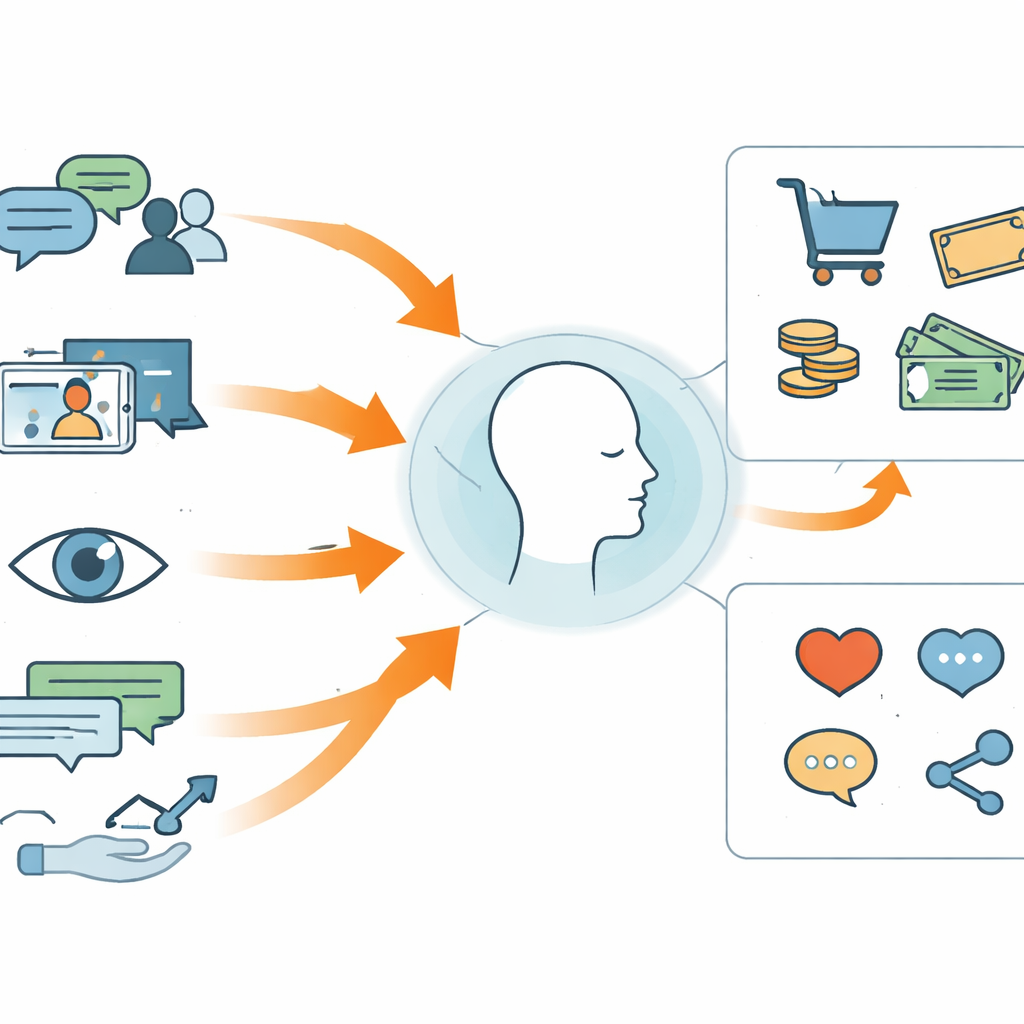
Using socio-technical systems theory, the authors frame the stream as a blended engine of social and technical forces. On the social side, two elements matter most: social presence (the sense of real people and warmth on screen) and real-time interactivity (fast, two-way exchanges with hosts and other viewers). On the technical side, the study examines visible product details, tools for reacting and commenting (“metavoicing”), and guided shopping features, such as tailored suggestions from the host. Survey data from 334 viewers of hotel-related live streams show that social presence, real-time interactivity, metavoicing, and guided shopping all boost absorption. Surprisingly, simply having high-quality visuals is not enough by itself to deepen that mental focus, even though basic clarity still matters as a minimum standard.
From being absorbed to taking action
Once viewers feel absorbed, their behavior changes in two important ways. First, they become more willing to spend money: they see the offers as worth buying and are more likely to book rooms, purchase vouchers, or pay for services showcased during the stream. Second, they engage without spending: they keep watching, send emojis, comment, and share the live sessions with friends. The study shows that absorption is the bridge between the socio-technical features and both kinds of engagement. It also finds that some factors are “must-haves” rather than just “nice-to-haves.” For example, social presence is a critical condition for both monetary and non-monetary engagement, and a certain basic level of visibility and metavoicing is needed before purchase intentions can rise.
What this means for travelers and hotels
In everyday terms, the article concludes that hotel live streams work best when they feel like lively conversations in a clear, well-shot setting rather than polished but distant commercials. Viewers become deeply absorbed when real people guide them through the property, answer questions on the spot, and invite them into the dialogue. That mental immersion, more than flashy visuals alone, is what nudges people toward booking and encourages them to support the stream by liking, commenting, and sharing. For hotels and platforms, this means investing in warm, responsive hosts and interactive tools is just as important as investing in cameras and lighting—because the true engine of engagement is the blend of human connection and thoughtful technology that keeps viewers mentally “inside” the stream.
Citation: Teng, YM., Wu, KS. & Li, Z. The socio-technical engine driving hotel live streaming engagement: insights from PLS-SEM, NCA, and cIPMA. Humanit Soc Sci Commun 13, 517 (2026). https://doi.org/10.1057/s41599-026-06914-9
Keywords: hotel live streaming, customer engagement, digital hospitality marketing, social presence, online absorption