Clear Sky Science · en
A systematic review of empirical studies on gamified learning environments for women in the last decade (2015–2025)
Why games in learning matter for women
Many of us play games on our phones or computers, but few realise that the same game-like features can reshape how women learn, build confidence, and even challenge long‑standing gender roles. This article reviews a decade of research on “gamified” classrooms and training programmes for women, asking what actually works, what backfires, and how thoughtful design can turn game elements into tools for equity rather than just digital decorations.
Bringing game ideas into the classroom
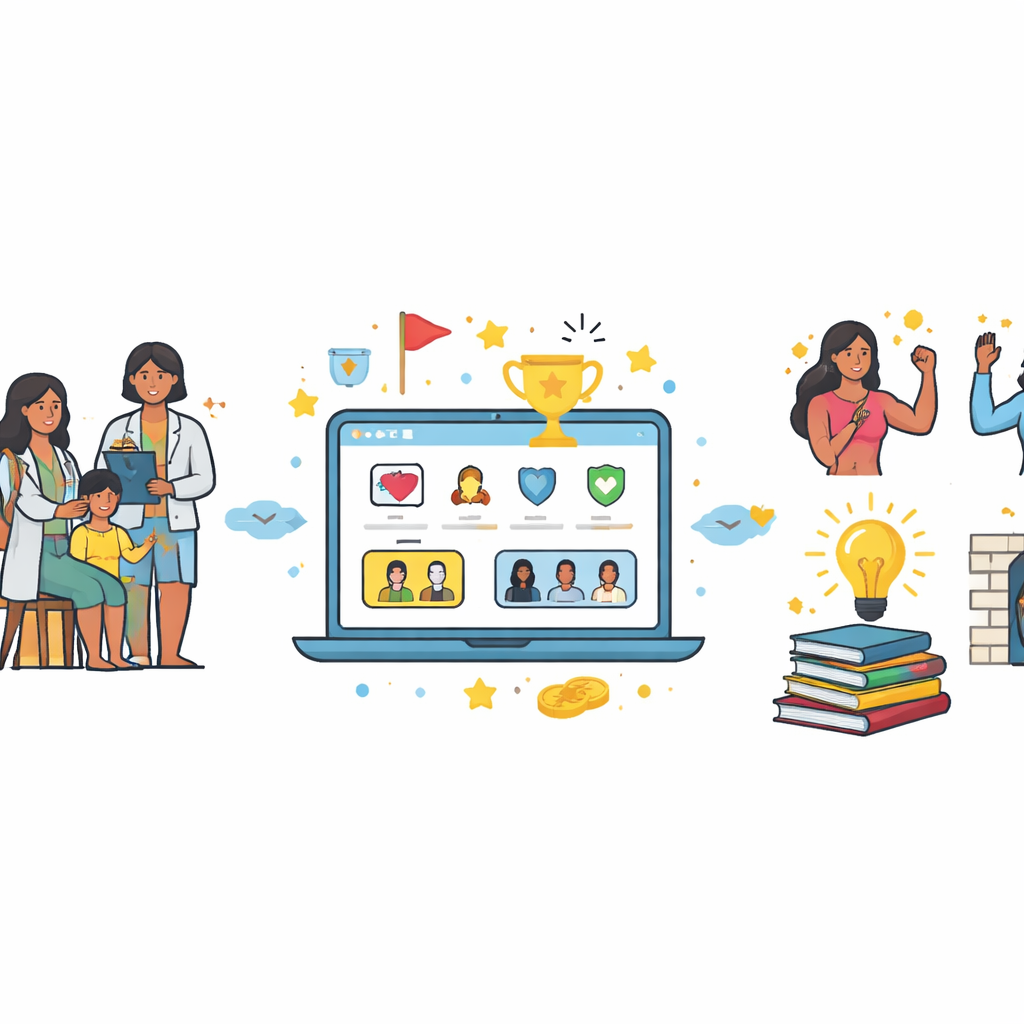
Gamification means adding familiar game elements — such as points, badges, levels, storylines, and team challenges — to non‑game settings like courses, online platforms, and professional training. The authors examined 38 empirical studies published between 2015 and 2025 that involved women or gender comparisons in education. Using strict review standards, they screened hundreds of papers and kept only those with solid methods. Most of these studies reported that well‑designed game features noticeably increased women’s motivation, engagement, and sense of competence, especially when activities emphasised mastery and cooperation over pure competition.
How motivation, community, and mental effort connect
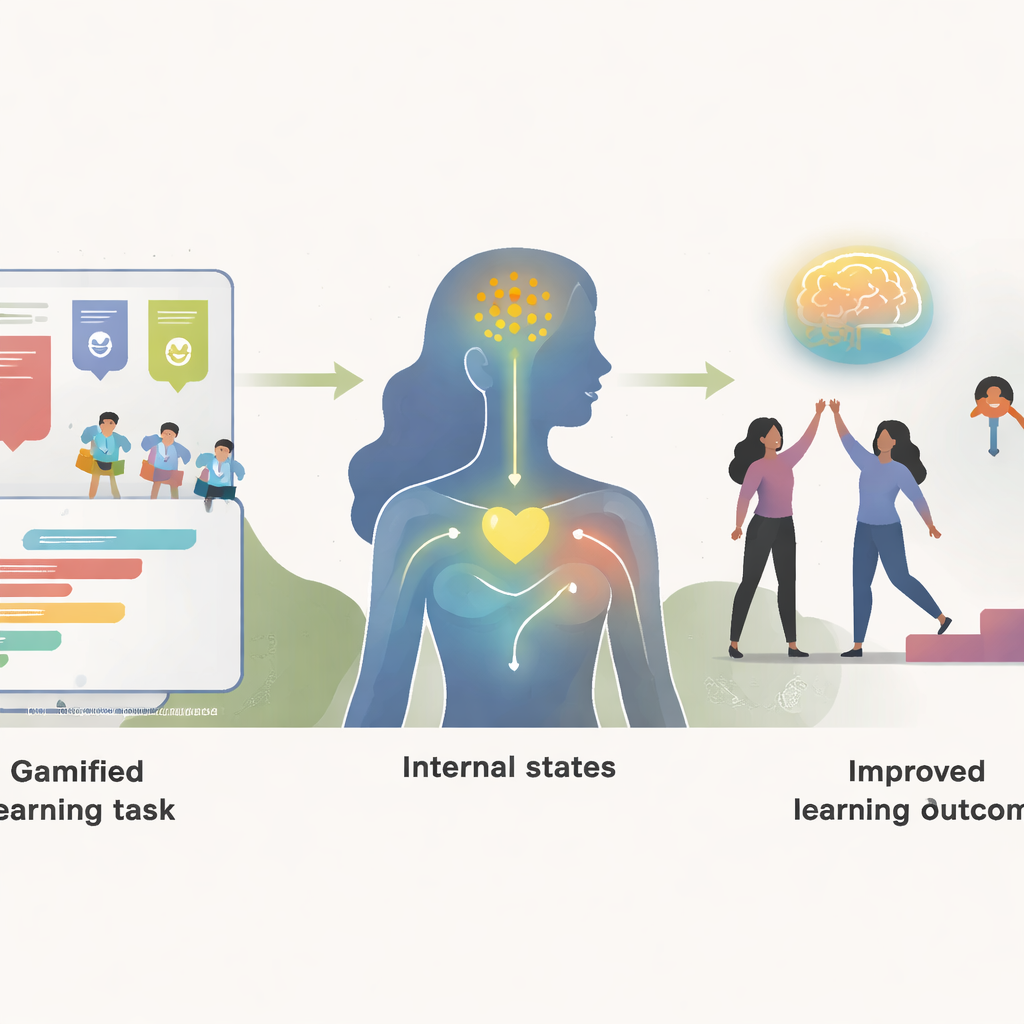
To make sense of many scattered findings, the review builds an integrated framework that blends five lines of thinking: game design, motivation science, social and collaborative learning, feminist and gender theory, and research on mental workload. Across these perspectives, seven ideas repeatedly matter for women learners: feeling in control, feeling capable, feeling connected to others, being motivated and engaged, holding a positive social identity, and having clear, well‑structured instruction. The review shows that game elements can strengthen all of these when they are carefully balanced so that tasks feel meaningful but not overwhelming, and when they acknowledge women’s lived experiences rather than ignoring them.
When game design helps — and when it hurts
The studies reveal that not all game mechanics are equally friendly to women. Features like badges, levels, and narrative progress tend to support steady growth, pride in achievement, and a sense of belonging. Team‑based quests and collaborative puzzles invite social support and reduce isolation, which is especially valuable in male‑dominated fields such as science and technology. By contrast, public leaderboards and intense one‑on‑one competition can trigger stereotype threat — the fear of confirming negative assumptions about women’s abilities — leading to anxiety and poorer performance for some learners. The article stresses that designers must tune difficulty, visuals, and rewards so that they encourage exploration instead of embarrassment or self‑doubt.
Different settings, similar patterns
Across varied contexts — from language classes and health‑profession training to negotiation workshops and teacher education — similar patterns emerge. In language learning, collaborative games and story‑rich activities boost women’s willingness to speak and take risks. In medical and nursing education, simulations and role‑playing games strengthen practical skills, empathy, and decision‑making. Gamified negotiation training can raise women’s confidence in a traditionally male‑coded skill. Yet the review also notes that technical barriers, patchy internet access, and limited teacher training can leave women behind, especially where they already face cultural or economic constraints. Institutions therefore play a crucial role in providing devices, connectivity, and support for inclusive game‑based teaching.
Designing for fairness and real change
Drawing on feminist ideas, the authors argue that gameful learning should not just make lessons more entertaining; it should actively question who feels welcome, who has power, and whose stories get told. They highlight promising strategies such as cooperative goals instead of winner‑takes‑all rankings, diverse characters and scenarios, and co‑design processes that include women learners and teachers. They also recommend training educators — especially women teachers, who may face their own digital confidence gaps — to use gamification thoughtfully rather than adopting off‑the‑shelf tools that may import hidden biases.
What this means for women learners
The review concludes that gamification can be a powerful ally for women’s learning, but only when it is tuned to context and equity. When game elements support choice, mastery, social connection, and manageable mental effort, women report higher motivation, stronger self‑belief, and greater willingness to tackle challenging subjects. Objective test scores do not always soar, but learners often feel more capable and engaged, which can open doors to further study, careers in STEM and health, and even entrepreneurship. In simple terms, turning learning into a well‑designed game can help women not just play along, but change the rules.
Citation: SALUJA, O.B., Sharma, D., Shukla, M.M. et al. A systematic review of empirical studies on gamified learning environments for women in the last decade (2015–2025). Humanit Soc Sci Commun 13, 530 (2026). https://doi.org/10.1057/s41599-026-06787-y
Keywords: gamification, women’s education, gender equity, game-based learning, digital learning design