Clear Sky Science · en
Deepening and broadening knowledge after the PISA scientific event: bibliometric, semantic network, and expert analyses of scientization in education research
Why a Global School Test Matters for Science
The Programme for International Student Assessment (PISA) is widely known for ranking countries by how well 15-year-olds perform in reading, math, and science. This paper asks a different question: what did PISA do for science itself? By following almost two decades of journal articles that used PISA data, the authors show how one giant, open dataset can reshape research, pull in new scholars, and spark fresh ideas across many fields—not just education.
How Science Has Been Rapidly Expanding
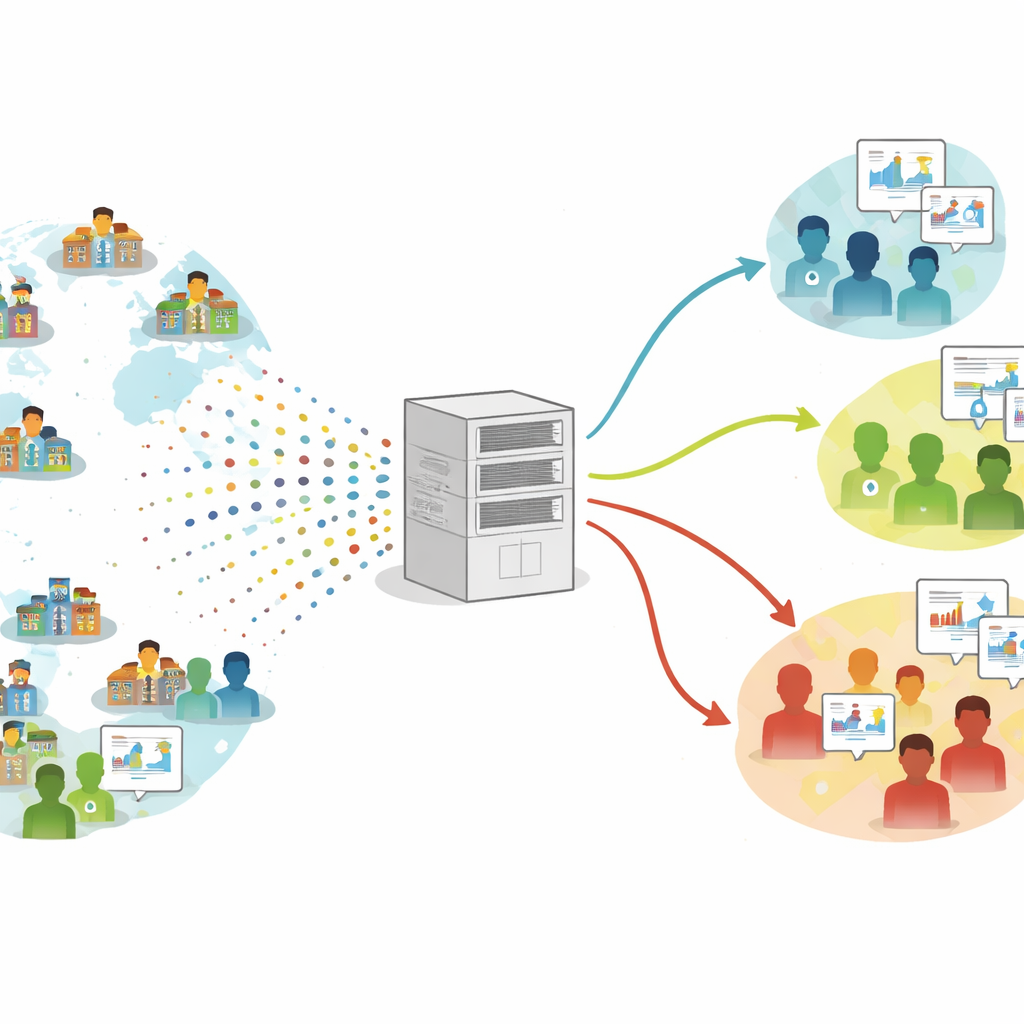
Modern science is growing at a remarkable pace, with millions of papers and millions of researchers worldwide. This expansion, which the authors call “scientization,” means that more people, institutions, and topics are drawn into organized research. Past studies often looked either at very broad statistics—such as total publication counts—or at famous scientific breakthroughs. Both views miss the middle ground where everyday research unfolds and where new communities of experts slowly take shape. The authors argue that to really understand how science expands, we need to zoom in on how researchers react to specific scientific events over time.
A New Way to Watch Science in Motion
The authors propose studying what they call “scientific events”: occasions that trigger a wave of new research. These could be surprising findings, major crises like a pandemic, or, as in this case, the release of a powerful new research tool. Their approach combines three ingredients. First, they use bibliometrics—large-scale counts of papers, authors, and journals—to track who is doing research and where it is published. Second, they analyze language in paper titles and summaries using modern natural-language algorithms to map out networks of ideas and themes. Third, they rely on expert judgment from seasoned education researchers to choose which papers truly use PISA data and to validate how topics are classified. Together, these steps offer a more fine-grained picture of how an area of science grows deeper, spreads wider, and reorganizes itself over time.
What PISA Triggered in Education Research
Using this method, the authors traced 1,148 peer-reviewed papers that analyzed PISA data between 1999 and 2017. They found that PISA clearly catalyzed a new “epistemic community”—a loose but recognizable circle of researchers, journals, and shared ideas. The number of PISA-based papers grew in an S-shaped pattern: slow at first, then rapidly rising, and finally leveling off. These studies appeared not only in core education journals but also in journals that bridge education with psychology, economics, and other fields, as well as in outlets far from education, such as sociology and regional economics. This shows that PISA did more than deepen existing work on schooling; it also drew in new disciplines and perspectives, broadening the reach of education research.
Following the Life of Ideas
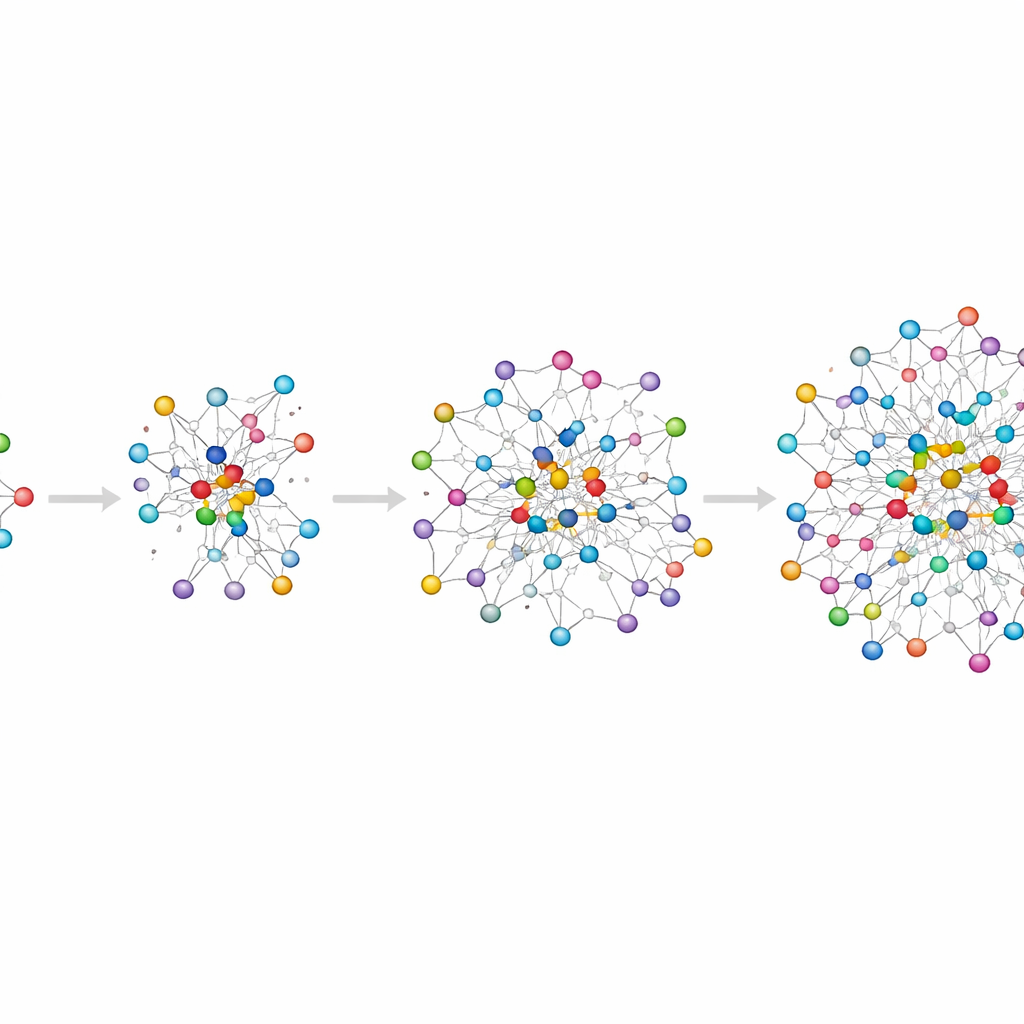
Beyond counting papers, the authors examined how key ideas circulated and changed. For each PISA paper, advanced language tools extracted a small set of central concepts. The team then built concept networks, where ideas are linked when they co-occur strongly across papers. Over the years, a main cluster of interconnected concepts—covering issues such as curriculum, achievement gaps, and school autonomy—grew denser, signaling deepening knowledge around a shared core. At the same time, many new, more distant ideas appeared at the margins, ranging from health to social mobility. Some of these stayed peripheral, while others gradually moved into the core or formed short-lived side clusters before being absorbed. This pattern reveals a dynamic interplay: PISA-driven research both consolidates what is known and continually tests out new directions.
What This Means for the Future of Science
For non-specialists, the main message is that a single, well-designed, openly available dataset can do far more than support official rankings or policy reports. PISA helped knit together a flexible global community of researchers who deepened understanding of learning while also exploring new questions about inequality, migration, well-being, and more. The study shows that scientization is not just about producing more papers; it is about how researchers, journals, and ideas connect, split, and recombine over time. The authors conclude that their middle-range approach—tracking responses to specific scientific events through both people and ideas—offers a powerful new lens for seeing how science grows and changes in a complex world.
Citation: Baker, D.P., Adeel, A.B., Moradel-Vásquez, J.J. et al. Deepening and broadening knowledge after the PISA scientific event: bibliometric, semantic network, and expert analyses of scientization in education research. Humanit Soc Sci Commun 13, 381 (2026). https://doi.org/10.1057/s41599-026-06490-y
Keywords: PISA, education research, scientization, scientific networks, big data in science