Clear Sky Science · en
Strengthening Immunisation Data Systems: a mixed-method evaluation of the Lao Electronic Immunisation Registry
Bringing Vaccine Records Into the Digital Age
In many countries, a child’s life‑saving vaccinations are tracked with paper notebooks and hand‑written clinic logs. These systems can be slow, fragile, and make it hard to spot which children are falling through the cracks. This article looks at how Laos is trying to change that by building a nationwide electronic immunisation registry—a digital record for every child’s vaccines—and what it will take to make this kind of system truly work in a low‑income setting.
Why Vaccination Records Matter
Laos, a largely rural country in Southeast Asia, offers free childhood vaccines, yet many children still miss doses or receive them late. Until recently, clinics relied on paper tally sheets and monthly summaries to estimate coverage. These methods made it difficult to follow each child over time, detect missed appointments, or plan outreach to remote villages. After using a digital registry for COVID‑19 shots, the government launched a new electronic registry for routine childhood vaccines in 2022–2023. The hope was that real‑time, individual records would improve planning, raise coverage, and reduce the number of children with no vaccines at all. 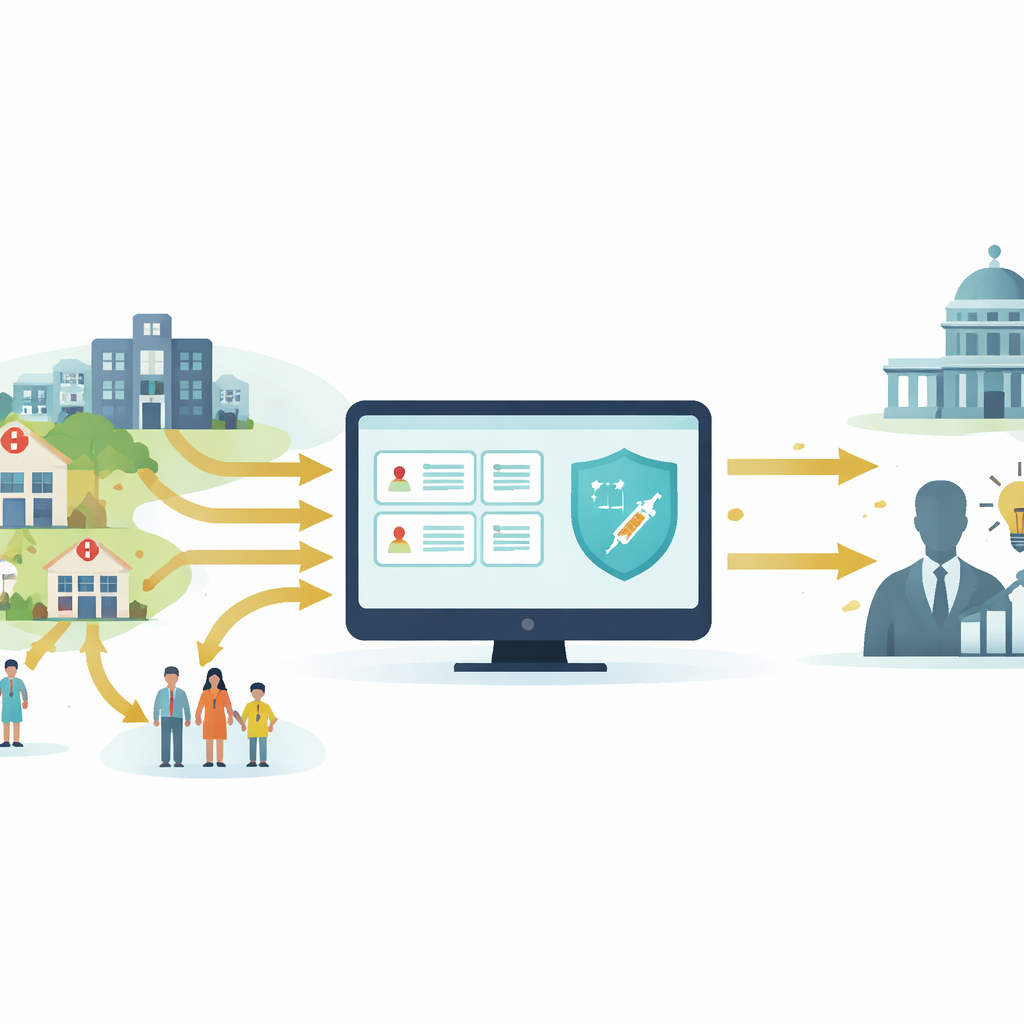
What the Study Set Out to Learn
The researchers carried out a mixed‑methods evaluation during the registry’s early rollout in the capital region and a nearby province. They combined surveys of 26 frontline health workers, in‑depth interviews with 18 national and provincial decision‑makers and partner agencies, direct observation of clinic workflows, and a detailed review of nearly 850,000 vaccination records stored in the system. Their goal was not just to ask whether the software functioned, but to understand how people were using it, what helped or hindered that use, and whether the resulting data were complete, timely, and trustworthy enough to guide action.
What Frontline Staff Experienced
Clinic staff were generally enthusiastic about the digital registry. All survey participants said it was easy to use, and most felt it was faster than writing in paper logbooks. They liked being able to quickly look up a child’s vaccination history, print or view lists of children due for shots, and generate summary reports. At the same time, their day‑to‑day reality was more complicated. Almost everyone still had to maintain multiple paper tools alongside the electronic registry, and many described juggling data entry with giving vaccines, especially during busy outreach sessions. About half felt their workload had gone down, while the rest felt it had stayed the same or increased. Nearly two‑thirds judged their training as insufficient, saying they needed longer sessions, refreshers, and more staff trained so that responsibility did not fall on just one or two people per facility.
Gaps in Infrastructure, Data, and Local Ownership
The evaluation uncovered several deeper system issues. Power cuts were common, internet connections were unreliable or absent in some health centres, and only half of respondents felt their digital infrastructure was truly adequate. In interviews, officials and partners praised the careful, stepwise rollout and the choice to build on an existing national data platform. Yet they also worried about over‑reliance on international agencies for funding, software management, and data analysis. Many felt that stronger government leadership, clear rules on data security, and a multi‑year plan with dedicated domestic financing were essential for long‑term success. When the team examined registry data itself, they found high levels of missing or invalid entries, and most births and vaccinations were recorded days or weeks late. While the electronic registry captured more doses than paper reports, its promise for real‑time tracking and precise coverage estimates was far from fully realised. 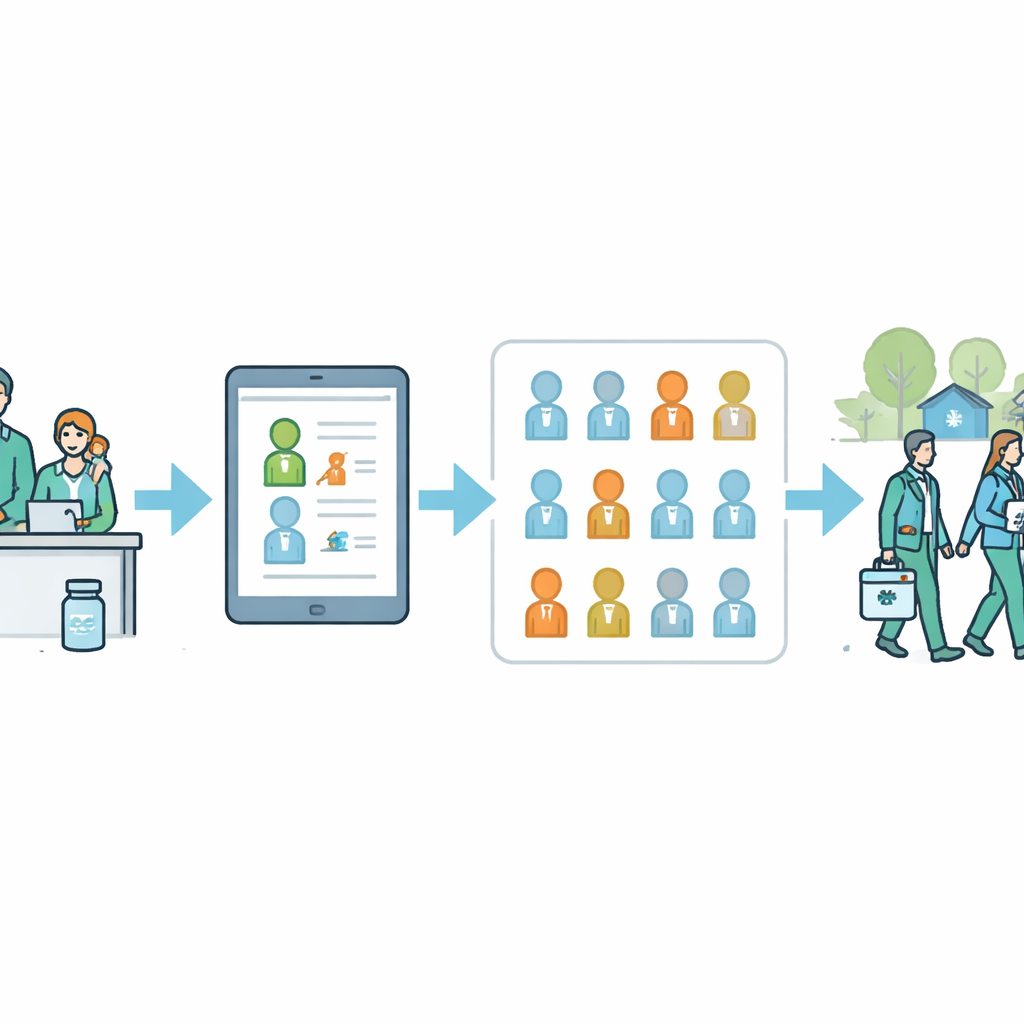
From Collecting Data to Using It
A recurring theme was the gap between recording information and acting on it. Some health workers were beginning to use the registry to plan visits, check whether a child had been vaccinated elsewhere, and calculate how many doses to carry, but this was not yet routine. Stakeholders stressed that without a stronger “data use culture”—in which staff regularly review and question their numbers and feel accountable for them—the registry risked becoming just another tool rather than a driver of better services. Building skills in data interpretation, ensuring enough staff time, and creating regular forums to review findings were seen as just as important as the technology itself.
What This Means for Children’s Health
Overall, the study shows that a nationwide digital vaccine registry in a lower‑income country like Laos is both possible and welcomed by many of the people who use it. But it also makes clear that software alone will not boost vaccination coverage. To turn electronic records into healthier children, Laos will need reliable electricity and internet, ongoing training and supervision, clearer rules and leadership from government, and secure, long‑term funding. With those pieces in place, the registry could help health workers see exactly which children are unprotected, reach them more efficiently, and use scarce resources more wisely—bringing the country closer to the goal that every child receives the vaccines they need, on time.
Citation: Patel, C., Gunaratnam, P., Saravanos, G. et al. Strengthening Immunisation Data Systems: a mixed-method evaluation of the Lao Electronic Immunisation Registry. npj Digit. Public Health 1, 13 (2026). https://doi.org/10.1038/s44482-026-00018-6
Keywords: electronic immunisation registry, digital health, vaccination coverage, health data systems, Laos public health