Clear Sky Science · en
Paxlovid shows organ-specific and age-specific impacts on risk of developing post-acute sequelae of COVID-19
Why this matters for people after COVID
Many people continue to feel unwell long after their first COVID infection, facing problems like fatigue, stomach trouble, or ringing in the ears. This study asks a question that matters to patients and doctors alike: does taking the antiviral drug Paxlovid during the first days of infection change the chances of developing long term symptoms known as Long COVID, and if so, for which parts of the body and which age groups?
Looking at medical records in real life care
To explore this, researchers examined electronic health records from more than 19,000 adults treated in a large New England hospital network in early 2022. All had at least one confirmed COVID infection, and together they accounted for over 22,000 infection episodes. Using a previously validated method to detect Long COVID from diagnosis codes, the team followed patients for up to a year to see who went on to develop lingering symptoms. They then compared people who received Paxlovid around the time of infection with similar patients who did not, taking into account age, vaccination status, other illnesses, and how severe their initial COVID episode was.
Checking overall and organ specific risks
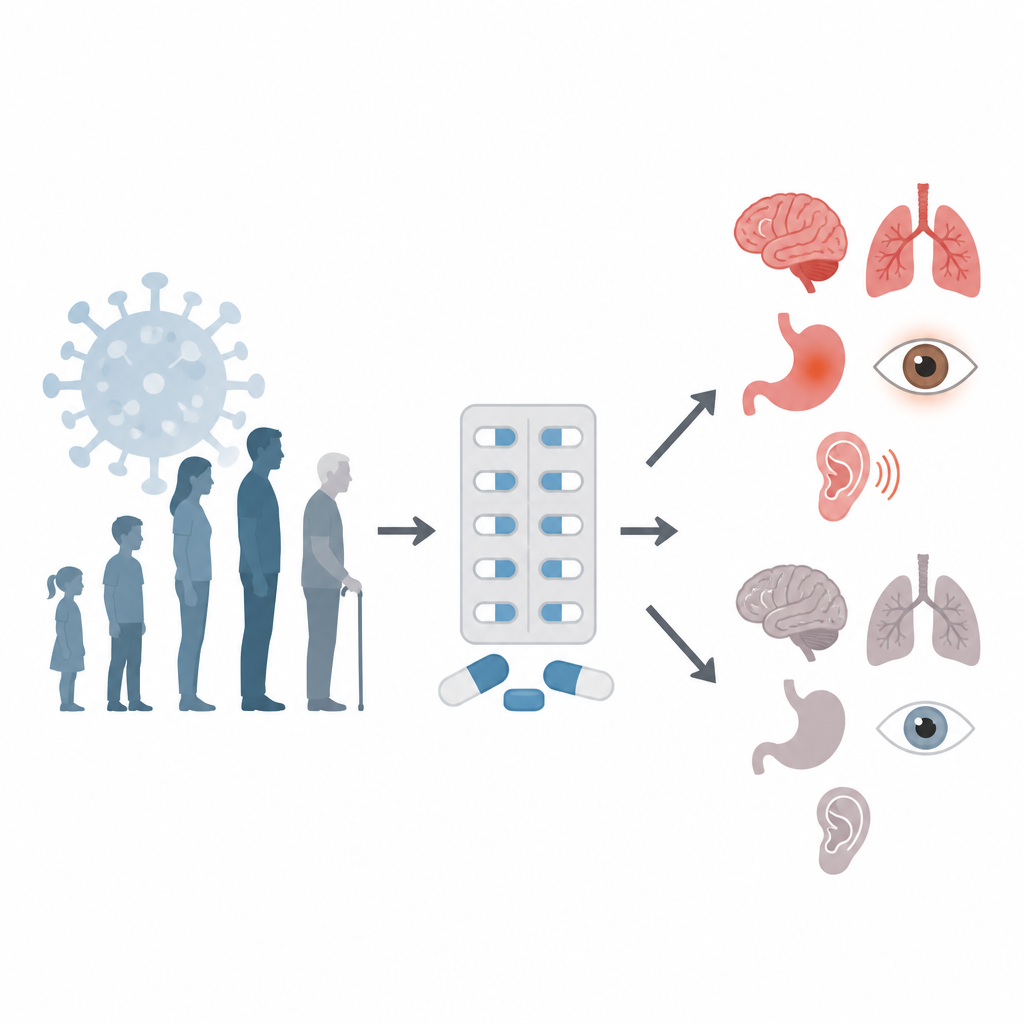
The researchers did not stop at a simple yes or no for Long COVID. They grouped lingering problems by the parts of the body they affect, such as the heart and blood vessels, brain and nerves, lungs, digestion, eyes, and ears. Using statistical models designed to mimic a controlled trial, they estimated how much Paxlovid changed the odds of developing Long COVID overall and within each organ system. They also examined whether the effects differed by age group and by how sick patients were during their initial infection, from outpatient cases to those who required hospital or intensive care.
Mixed results for different body systems
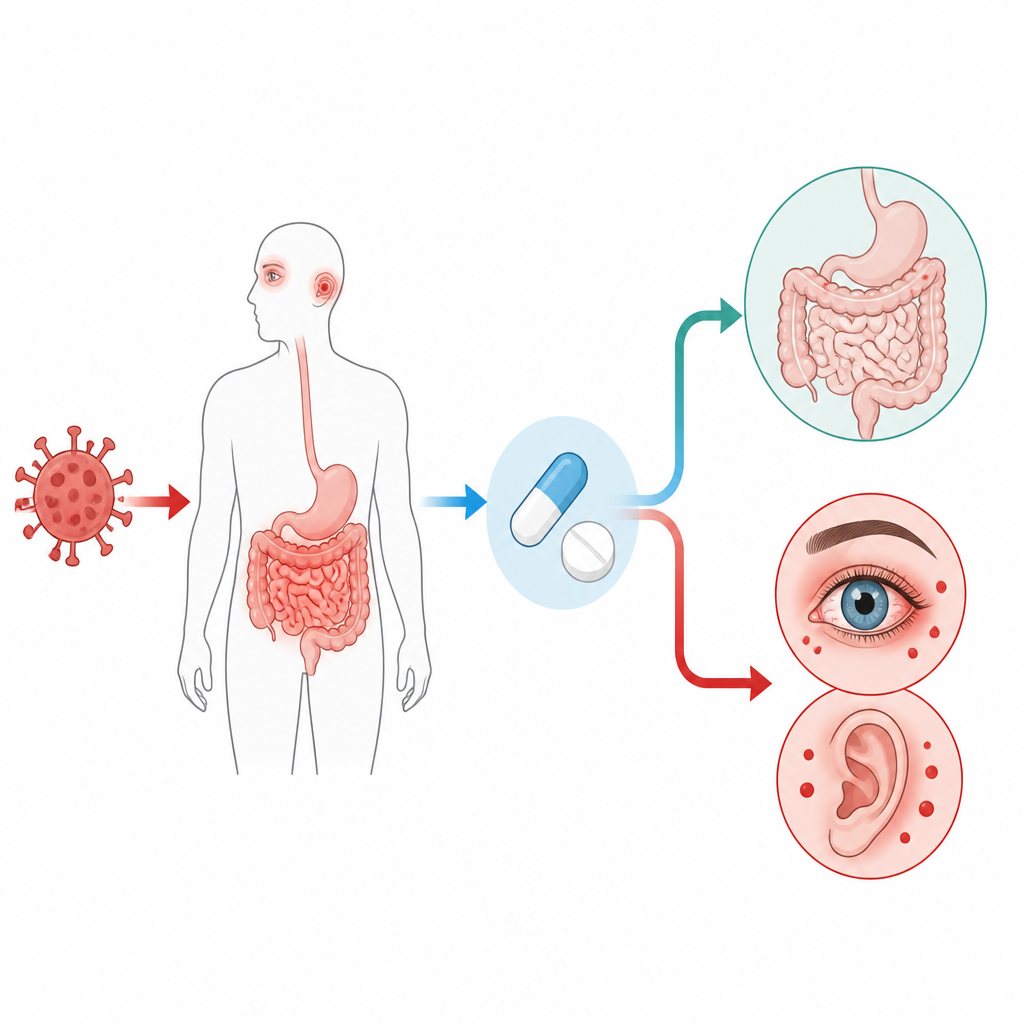
Across the full adult population in this study, Paxlovid did not show a clear benefit in lowering the overall risk of Long COVID. However, when the team focused on specific organ systems, a more nuanced picture emerged. Patients who took Paxlovid were less likely to develop long lasting digestive problems such as ongoing stomach pain, nausea, or bowel changes. In contrast, those treated with Paxlovid had a higher risk of lingering symptoms involving the eyes and ears, including issues like tinnitus or blurred vision. For most other organ groups, such as the heart, lungs, brain, and mood, the study did not find strong evidence that Paxlovid either increased or decreased the long term risks.
Age and illness severity shape who benefits
Age and how sick someone became during their first infection also mattered. When the researchers zoomed in on people between 60 and 75 years old who were never hospitalized, Paxlovid was linked to a modest drop in the overall chance of developing Long COVID. This effect did not appear in younger age groups, nor in patients who were sick enough to need hospital or intensive care. The authors suggest that older adults with milder acute illness may have a particular mix of immune response and viral persistence that makes them more likely to gain some long term benefit from early antiviral treatment.
What this means for patients and doctors
For people deciding whether to take Paxlovid, these findings offer a more detailed but also more complex picture. In this real world cohort, the drug did not broadly prevent Long COVID for everyone. It appeared to lower the risk of long lasting digestive problems and to offer some overall protection for older, non hospitalized adults, while at the same time being linked to more eye and ear symptoms. The study cannot prove exactly why these differences occur, and it has limits, such as relying on coded diagnoses rather than symptom notes. Still, it highlights that the long term impact of COVID treatments may vary by organ system and age, and that carefully designed studies are needed to understand who is most likely to benefit from antivirals and who might face new risks.
Citation: Azhir, A., Cheng, J., Tian, J. et al. Paxlovid shows organ-specific and age-specific impacts on risk of developing post-acute sequelae of COVID-19. Commun Med 6, 288 (2026). https://doi.org/10.1038/s43856-026-01535-4
Keywords: Paxlovid, Long COVID, antiviral treatment, post-acute sequelae, COVID-19 outcomes