Clear Sky Science · en
Measurement properties of the Patient Health Questionnaire 15 (PHQ-15) and Somatic Symptom Disorder B-criteria scale (SSD-12), including revised 1-week versions
Why everyday symptoms and worry matter
Most people occasionally feel tired, achy, or worried about their health. For some, these physical sensations and worries become a constant companion, shaping daily life and medical care. Doctors and researchers rely on short questionnaires to track how intense these symptoms are and how much people dwell on them. This study asks a simple but important question: how well do two of the most widely used tools actually work, especially when we want to follow patients week by week?
Two short checkups for body and mind
The research focuses on two questionnaires. The first, the PHQ-15, totals up how bothered someone is by common physical complaints such as pain, stomach problems, or poor sleep. The second, the SSD-12, captures how much people worry about, focus on, and feel limited by their symptoms. Together, these tools are widely used in behavioral medicine and primary care. Traditionally, the PHQ-15 asks about the past four weeks, and the SSD-12 is phrased more generally. Clinicians, however, often want to monitor patients every week during treatment, which means the questions need to be rewritten to focus on just the previous seven days without losing accuracy.

Who was studied and what was tested
The authors examined Swedish versions of both questionnaires, along with new 1-week versions, in two groups. One group included nearly 200 adults receiving internet-based therapy for long-lasting physical symptoms such as pain, fatigue, or gut problems. The other group consisted of 160 healthy volunteers with little or no physical distress. Everyone filled out the standard and 1-week questionnaires online. The researchers then checked how the questions were distributed (for example, whether some items were rarely endorsed), how items clustered together into underlying dimensions, how consistently the items hung together, how strongly the scales related to anxiety, depression, and disability, and how stable scores were when people answered the same questions again after about two weeks.
What the structure of the questionnaires reveals
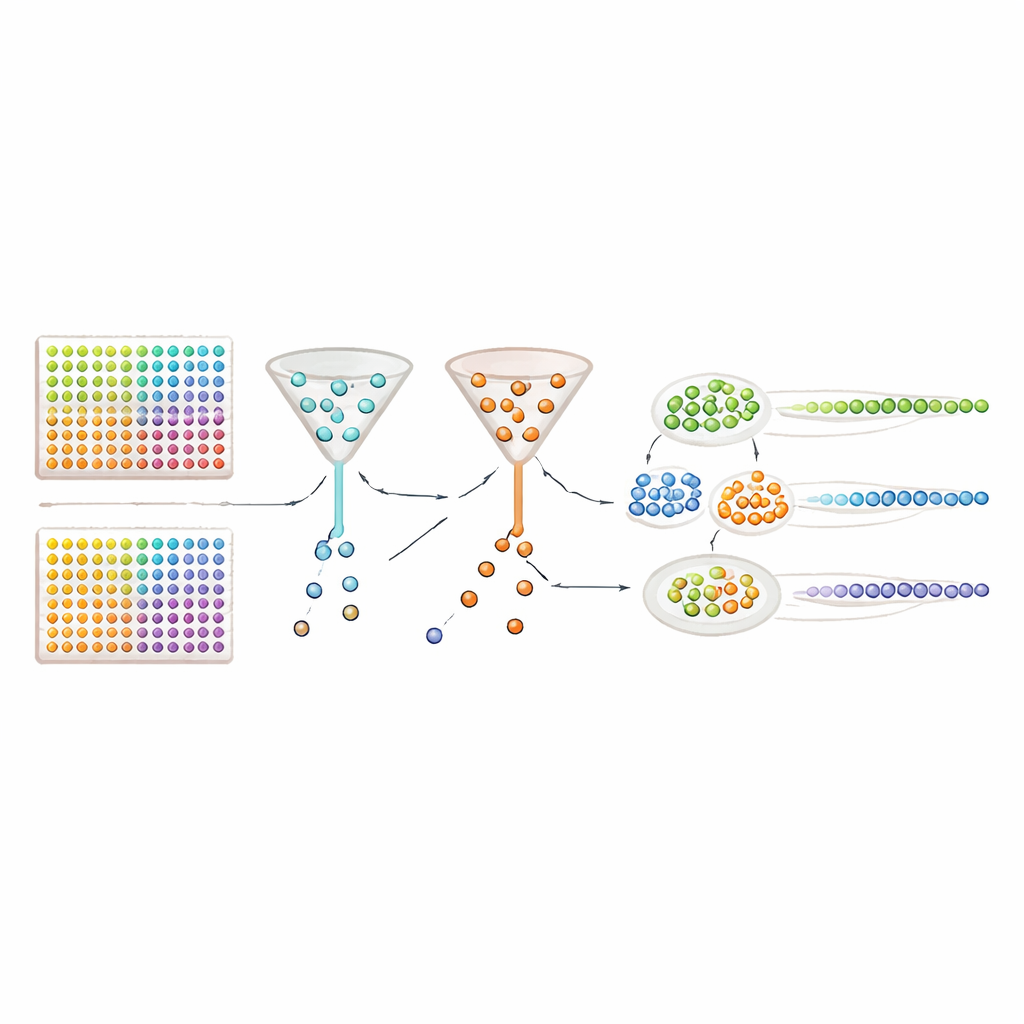
For the PHQ-15, the authors found that the expected clean structure did not fit the data very well, regardless of whether questions covered four weeks or one. By trimming away rarely endorsed items, they arrived at an 11‑item version that grouped naturally into three clusters: heart and breathing symptoms, stomach and gut problems, and a combined pain-and-tiredness group. On top of these clusters sat a broader “overall symptom burden” dimension, which justified adding the items up to a single total score. For the SSD-12, a different picture emerged than in many earlier studies. An 8‑item subset fit best and fell into three tightly linked forms of symptom preoccupation: expecting symptoms to be long‑lasting, feeling fearful and worried about serious disease, and being very focused on symptoms and how much they interfere with life.
Shorter time window, similar signal—but mixed stability
Encouragingly, the 1‑week versions of both questionnaires behaved much like the traditional forms. They showed similar patterns of item groupings and strong ties to related concepts such as anxiety, depression, health worry, and day‑to‑day disability. Internal consistency—the degree to which items on the same scale move together—was generally good, especially in patients. However, when the researchers looked at test–retest reliability, or how stable scores stayed over two weeks, the picture was mixed. In healthy volunteers, scores on both questionnaires, and particularly the 1‑week SSD-12, fluctuated more than desired. In patients with persistent symptoms, reliability was borderline to good, and clearly improved when scores from two consecutive weeks were averaged rather than taken from a single time point.
What this means for patients and clinicians
For someone living with ongoing physical symptoms, these findings suggest that doctors and therapists can reasonably use 1‑week versions of the PHQ-15 and SSD-12 to follow how their body complaints and symptom worries change during treatment, especially if they look at patterns over several weeks rather than at one isolated score. The results also hint that some questions may be redundant, and that three distinct forms of symptom preoccupation—expecting symptoms to drag on, feeling fearful about illness, and being very focused on symptoms and their impact—may call for slightly different therapeutic approaches. Overall, the study cautiously supports using these brief weekly checkups in clinical settings, while urging care in interpreting scores from healthy samples and highlighting the value of repeated measurements over time.
Citation: Hybelius, J., af Winklerfelt Hammarberg, S., Ahnlund Hoffmann, A. et al. Measurement properties of the Patient Health Questionnaire 15 (PHQ-15) and Somatic Symptom Disorder B-criteria scale (SSD-12), including revised 1-week versions. Sci Rep 16, 13415 (2026). https://doi.org/10.1038/s41598-026-50290-y
Keywords: somatic symptoms, health anxiety, patient questionnaires, psychological measurement, persistent physical symptoms