Clear Sky Science · en
Lived experiences and perceptions of social support in diabetes self-management among patients, families, and friends in Ethiopia
Why Support Matters for Living With Diabetes
Type 2 diabetes is rising quickly in Ethiopia, but managing it is about much more than pills and clinic visits. This study looks closely at how people with diabetes, along with their families and neighbours, actually live with the condition in everyday life. It reveals how beliefs, finances, religion, and community ties can either help people stay healthy or quietly push them away from the care they need.
Everyday Life With a Growing Illness
The researchers focused on one hospital in south‑west Ethiopia and spoke in depth with 22 people: patients, family members, friends, caregivers, and neighbours. Using long interviews and group discussions, they asked how people understood diabetes, what support they received, and what stood in their way. Rather than counting blood sugar readings, the study listened to people’s stories over months and years of living with the disease.
Beliefs, Traditions, and What People Think Causes Diabetes
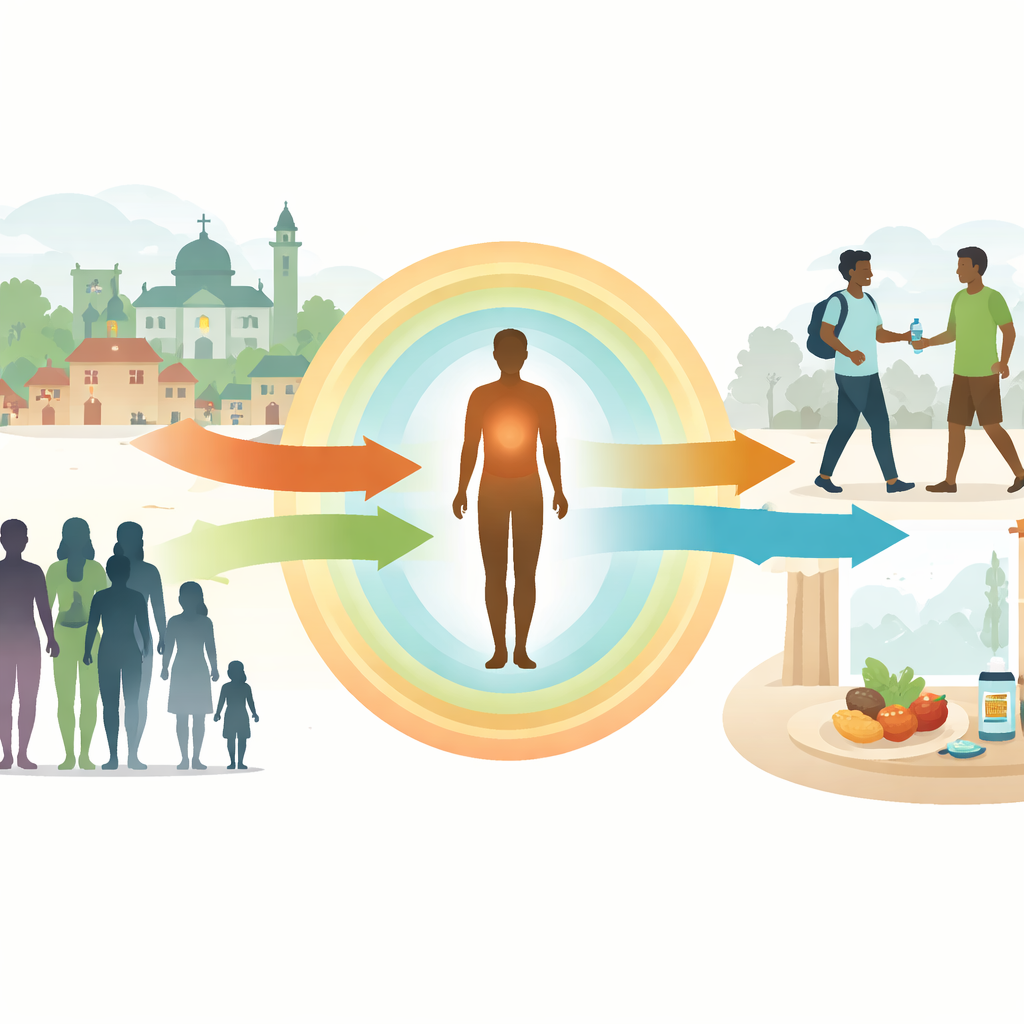
Many participants described diabetes through the lens of local beliefs and life events. They often linked the illness to drinking sugary drinks, eating fatty food, or “overindulging,” but also to stress, anger, and hardship. Some saw it as a punishment, curse, or test from God, or even the work of dark spiritual forces. These explanations shaped how people felt about themselves, sometimes leading to shame and silence. At the same time, a few participants strongly rejected supernatural explanations and viewed diabetes as a condition that could be managed if they followed treatment.
Turning to Herbs, Holy Water, and Advice From Others
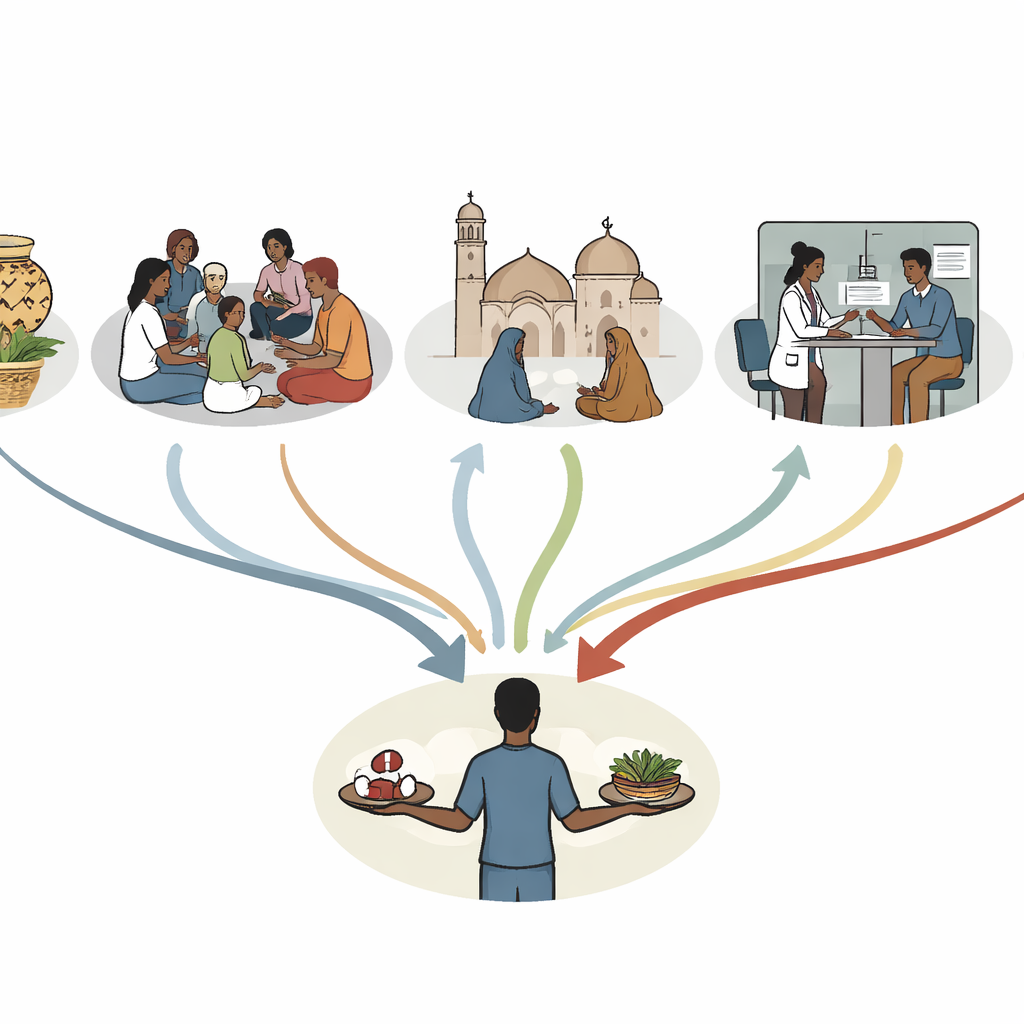
Family members, friends, and community groups were deeply involved in suggesting ways to manage diabetes. Many encouraged traditional remedies—such as herbal drinks made from fenugreek, papaya roots, or mango leaves—and religious practices like holy water or special prayers. Some people used these in addition to their prescribed medicines; others stopped their medication altogether because of strong pressure from relatives or stories of “cures.” In a few cases, herbal mixtures caused serious illness and emergency hospital visits. Yet some individuals felt that particular remedies or fasting rules helped them, showing how complex and mixed these experiences can be.
Strength From Family, Faith, and Community
Despite the risks of conflicting advice, support from close relationships often made the difference between coping and giving up. Families reminded patients to take medicines, prepared suitable meals, and encouraged gentle physical activity. Community groups and savings clubs helped people share information and, at times, pooled money to buy medicine. Religious practices—prayer, fasting, reading holy texts, and visiting sacred places—gave many participants comfort, hope, and a sense that God worked through health professionals. This helped them see clinic care and faith as partners rather than rivals, though for some it led to relying on prayer alone and abandoning treatment.
Money Troubles, Health System Gaps, and Stigma
Managing diabetes was especially hard when medicine was unavailable or too expensive. Even with health insurance, people sometimes found that drugs were out of stock or their coverage had not been properly processed. Many stretched their prescriptions by taking smaller doses or skipping days. Few owned blood sugar meters because of cost and limited supplies. Participants also described rushing clinic visits and unclear instructions, leaving them unsure how to adjust food, exercise, or insulin safely. On top of this, fear of being labelled as “rich” or “weak” led some to hide their diagnosis, avoid refusing unsafe foods at social events, and miss out on the support they needed.
What This Means for People Living With Diabetes
The study shows that diabetes care in Ethiopia cannot succeed by focusing on the patient alone. Beliefs about curses and punishment, pressure to use traditional remedies, and economic strain all shape whether people take their medicines, eat well, and stay active. At the same time, families, neighbours, religious leaders, and community groups are powerful allies when they understand the illness and work together with health professionals. The authors argue that education and support must be tailored to this rich social and spiritual setting—helping communities replace harmful myths with practical knowledge while preserving the strong bonds that make living with diabetes more bearable.
Citation: Molla, I.B., Hagger, V., Rothmann, M.J. et al. Lived experiences and perceptions of social support in diabetes self-management among patients, families, and friends in Ethiopia. Sci Rep 16, 14450 (2026). https://doi.org/10.1038/s41598-026-44450-3
Keywords: type 2 diabetes, Ethiopia, social support, cultural beliefs, self-management