Clear Sky Science · en
Nutrient exploration and heavy metal risk assessment of baby milk and infant formulae sold within Umuahia metropolis, Nigeria
Why baby milk safety matters
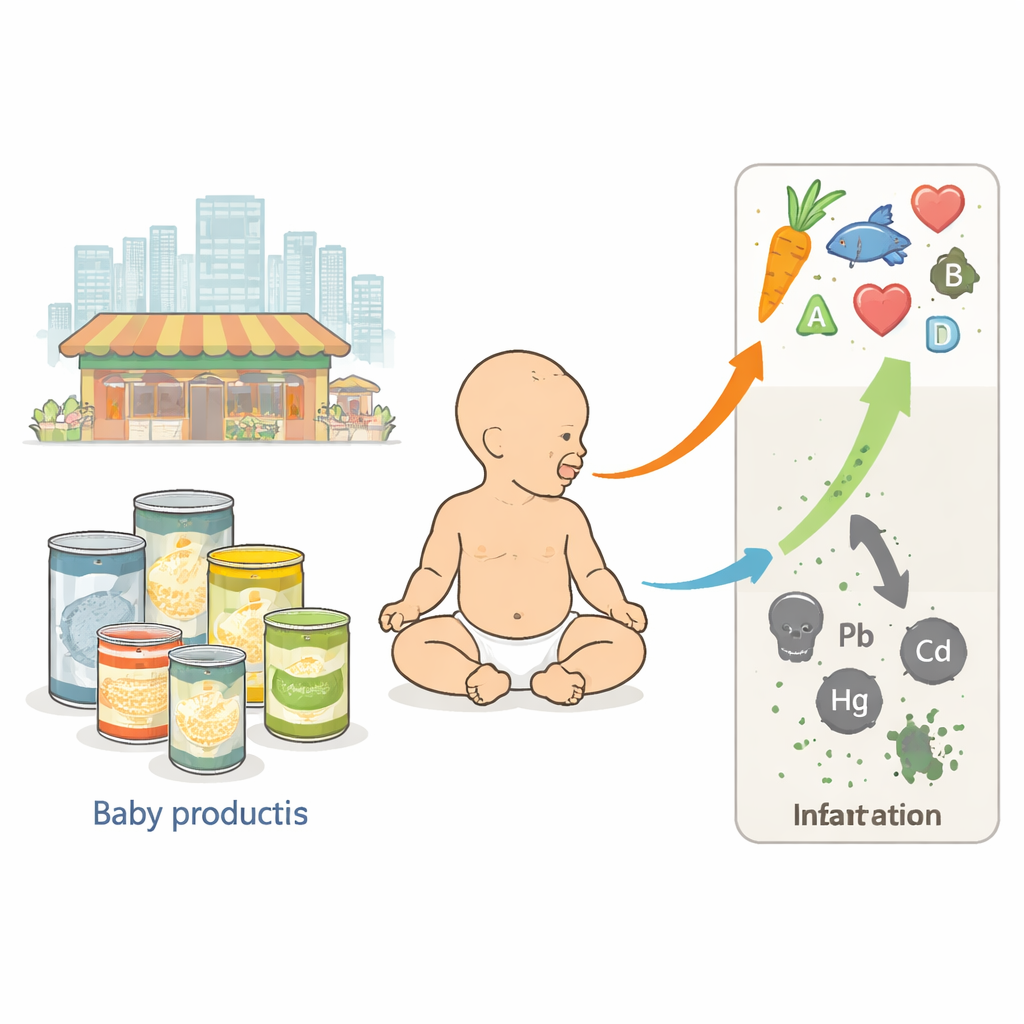
For many families, especially when breastfeeding is not possible or sufficient, baby milk and infant cereals are the main foods that nourish a child in the first year of life. In Nigeria and around the world, parents trust that these products not only provide the right nutrients for rapid growth, but are also free from harmful contaminants. This study looked closely at popular baby milk and infant formula sold in Umuahia, a city in southern Nigeria, to see whether they truly offer good nutrition and whether hidden heavy metals might pose a risk to babies’ health.
What the researchers set out to check
The team purchased eight milk-based baby formulas and twelve cereal-based infant formulas from shops across Umuahia. They chose products that were still at least two years from their expiry date to reflect what parents typically buy. In the laboratory, they measured basic nutritional components such as water, protein, fat, fibre, ash (a marker of mineral content), and carbohydrate. They also measured important minerals like calcium, magnesium, potassium, sodium, phosphorus, iron, zinc and manganese, and then checked for potentially toxic heavy metals including lead, cadmium, chromium, copper and nickel. Finally, they used standard health risk formulas, based on infant body weight and typical daily intake, to estimate whether the heavy metal levels could harm babies over time.
What was found in the nutrition content
Overall, both types of products were rich in carbohydrates, which provide energy, with lower but useful amounts of protein and fat. Baby milks tended to have more fat and protein than the cereal-based infant formulas, making them more similar to the energy-dense profile of breast milk. Fibre was not detected in any of the baby milks, but was present in variable amounts in the infant formulas. This absence may be intentional, because very young babies have immature digestive systems and naturally consume almost no fibre from breast milk. Moisture levels in all products were below 10 percent, an important feature that helps keep powders stable on the shelf and less prone to spoilage.
Minerals that support growth
The researchers found that baby milks generally contained higher levels of essential minerals than the cereal-based formulas. In baby milk, calcium and magnesium were especially abundant, followed by potassium and phosphorus, with sodium present at lower levels. These minerals are crucial for building strong bones and teeth, maintaining healthy nerves and muscles, and supporting energy production. Cereal-based infant formulas also supplied useful amounts of these minerals, but often at lower levels and with wider variation between brands, reflecting differences in raw ingredients and processing. Trace minerals such as iron, zinc and manganese were present in all products; while none reached some of the very high international target values, their levels were still high enough to contribute meaningfully to infants’ daily needs and to help prevent problems like iron-deficiency anaemia or poor immune function.
Hidden heavy metals and health risks
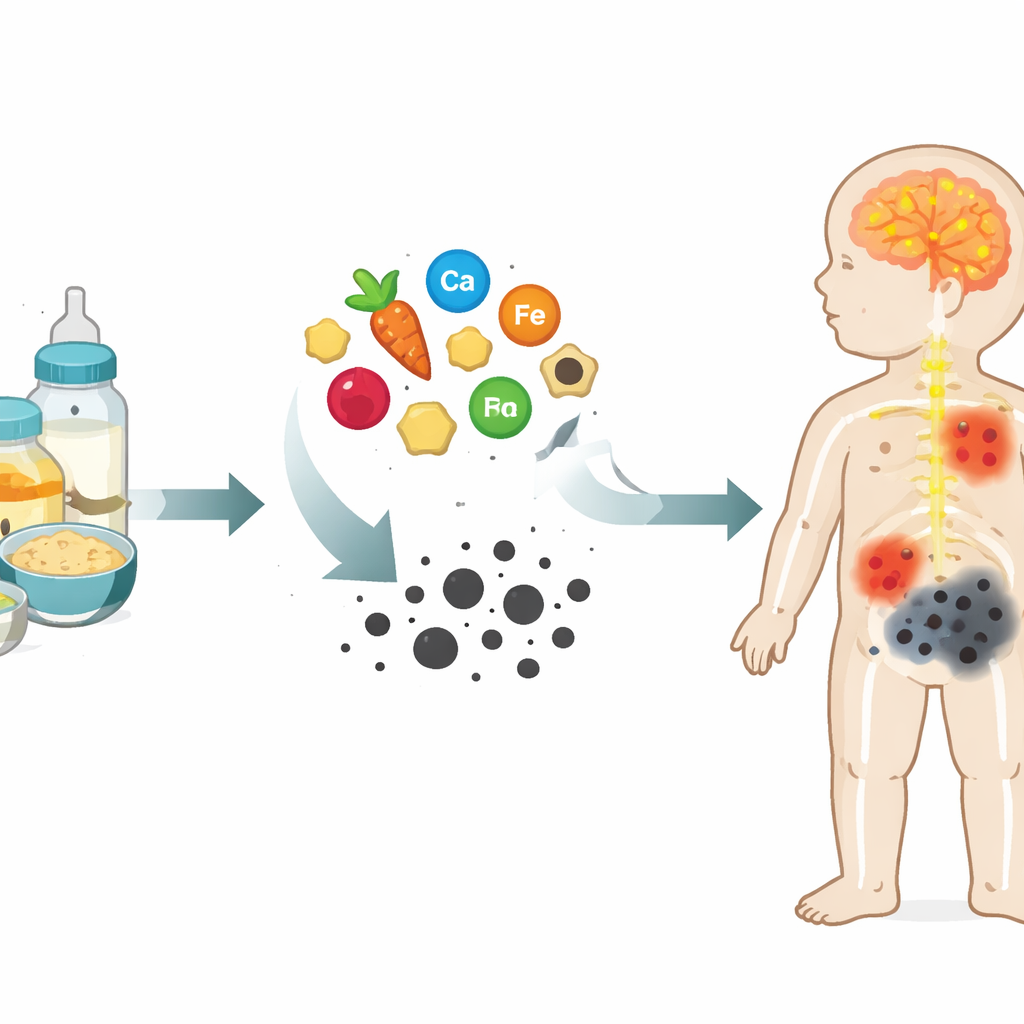
Alongside the beneficial minerals, the team detected small amounts of heavy metals. In baby milks, lead, copper, nickel, cadmium and chromium were present at higher levels than in the cereal-based formulas, although most remained below World Health Organization guideline limits. Lead stood out as a concern in some baby milks, since even low exposures can affect children’s developing brains and blood systems. Using standard risk calculations, the researchers found that most heavy metals did not reach levels expected to cause harm. However, cadmium and chromium in a few baby milk samples produced risk values above accepted safety thresholds, signalling potential long-term health concerns if babies consume those products regularly. These metals may be entering the food chain through contaminated water, raw materials, processing equipment or packaging.
What this means for parents and regulators
To a lay reader, the central message is that the baby milks and infant formulas studied in Umuahia generally provide the energy and key minerals needed for healthy growth, but a small number of products carry worrisome levels of certain heavy metals, especially cadmium and chromium. These findings do not mean parents should panic or abruptly stop using formula, but they do highlight the need for stronger and more frequent checks by manufacturers and regulatory agencies. Routine testing of ingredients, water, processing lines and finished products can keep contaminants low while maintaining adequate nutrient levels. In short, the study shows that formula can nourish babies well, but vigilant oversight is essential to ensure that the same products do not quietly expose infants to harmful metals during a critical window of development.
Citation: Mgbemena, M.N., Okwunodulu, I.N., Okwunodulu, F.U. et al. Nutrient exploration and heavy metal risk assessment of baby milk and infant formulae sold within Umuahia metropolis, Nigeria. Sci Rep 16, 13751 (2026). https://doi.org/10.1038/s41598-026-44198-w
Keywords: infant formula safety, heavy metals in baby food, Nigeria child nutrition, baby milk nutrients, food risk assessment