Clear Sky Science · en
Evaluation of HPV awareness among parents of adolescent girls in Tunisia: a cross-sectional study
Why This Study Matters for Families
Cervical cancer is one of the few cancers we can largely prevent, thanks to vaccines against the human papillomavirus (HPV). Tunisia recently added the HPV shot to its national vaccination schedule for 12-year-old girls, but a vaccine only works at the population level if parents agree to use it. This study explores how well Tunisian parents of adolescent girls understand HPV and the vaccine, and what influences their decisions, offering insights that resonate with families and health systems far beyond Tunisia.
Understanding the Threat Behind a Common Virus
HPV is an extremely common virus spread mainly through sexual contact. Certain types of HPV can cause cervical cancer, as well as other cancers in the genital area and throat. Worldwide, hundreds of thousands of women develop cervical cancer each year, most of them in countries where screening and prevention are harder to access. In Tunisia, around 300 women are diagnosed annually, often at a late stage. Because of this, global health authorities strongly promote HPV vaccination for girls before they become sexually active, as part of a broader push to eventually eliminate cervical cancer as a major public health problem.
How the Researchers Listened to Parents
To understand parents’ views during the first months of Tunisia’s school-based HPV vaccination program, researchers conducted a survey at the Salah Azaiez National Cancer Institute in Tunis. Between July and September 2025, they invited 105 parents of girls aged 11 to 14 to complete an anonymous questionnaire. The questions covered basic background information, what parents knew about HPV and its vaccine, whether they planned to vaccinate their daughters, and why they might hesitate or refuse. To make participation easier, the team offered help reading and translating questions into everyday Tunisian dialect. The aim was not only to measure knowledge, but also to identify social factors that could shape vaccination decisions.

What Parents Knew and Where They Learned It
The survey showed that most parents had at least heard of HPV, and many understood that it is linked to cancer. About three out of four respondents knew the term HPV, and nearly four out of five recognized that it can cause cancer. However, important gaps remained. Only about two thirds correctly identified sexual contact as the main route of transmission, and nearly a quarter did not know how the virus spreads at all. Most parents did not know how many types of HPV exist, and many were unsure what symptoms it causes or whether condoms offer reliable protection. When it came to the vaccine, roughly three out of four parents were aware that it exists, and a similar share correctly identified early adolescence as the recommended age for vaccination. Yet almost half were unsure how effective the vaccine is, and more than two thirds had never discussed the shot with a health professional, relying instead on the internet, television, or casual conversations for information.
How Knowledge and Worries Shape Decisions
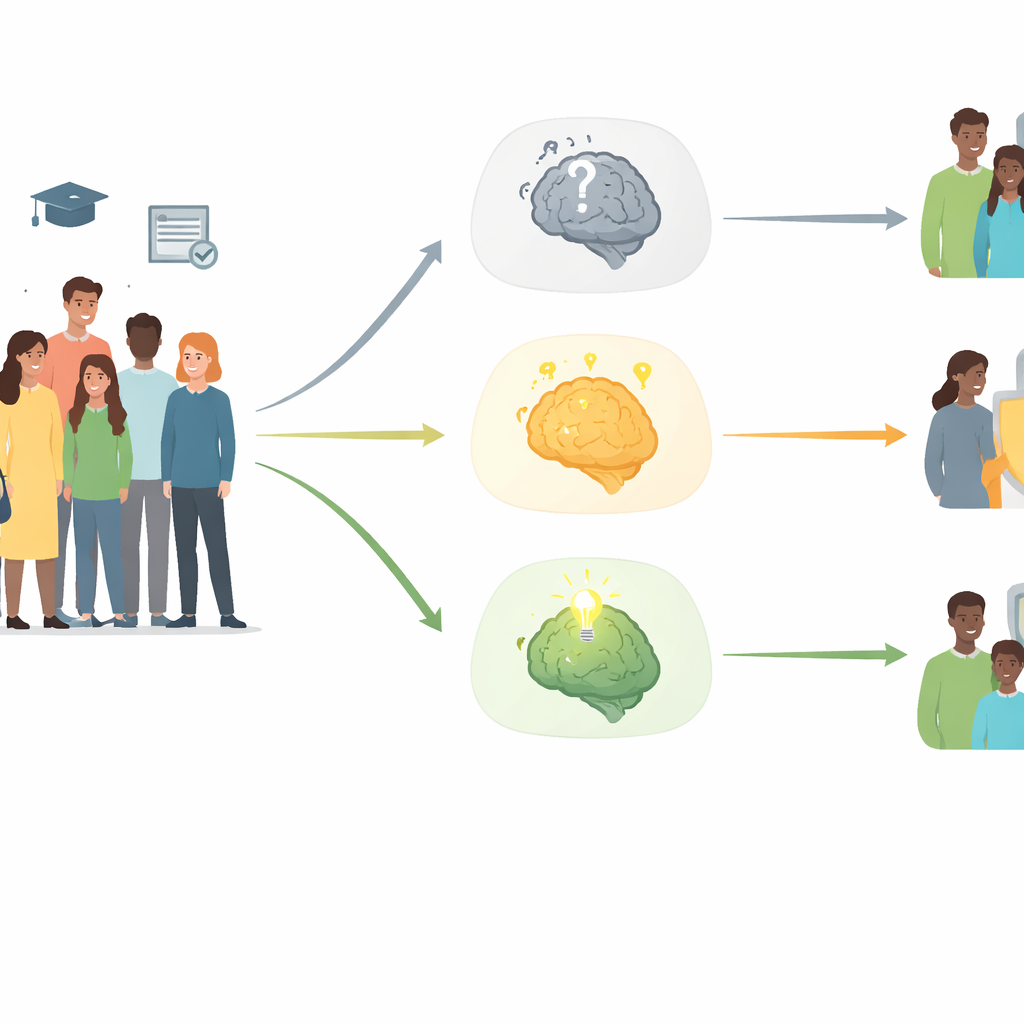
Even with some awareness of HPV, parents’ vaccination plans were far from settled. Nearly half said they were undecided about vaccinating their daughters, about one quarter were reluctant or refused outright, and fewer than one third leaned toward accepting the vaccine. Higher education was clearly linked with better factual knowledge about HPV and how it is transmitted, and families with different income levels viewed condom protection differently. But importantly, none of these background traits were strongly tied to whether parents intended to vaccinate. Instead, their hesitations centered on shared concerns: possible side effects, feeling they did not have enough trustworthy information, and exposure to negative opinions about the vaccine. These patterns echo studies from other countries, suggesting that understanding the science is only one piece of the puzzle; trust and reassurance matter just as much.
What This Means for Protecting Future Generations
The study concludes that, in Tunisia’s early phase of HPV vaccine rollout, parental knowledge is partial and many families remain unsure about vaccinating their daughters. Because education level improves knowledge but does not automatically translate into acceptance, the authors argue that targeted communication is vital. They recommend stronger involvement of doctors, nurses, schools, and media outlets to provide clear, consistent, and reassuring messages about HPV and its vaccine. By closing information gaps and building trust, Tunisia—and other countries facing similar challenges—can boost vaccine uptake and move closer to a future where cervical cancer becomes a rare disease rather than a common threat.
Citation: Ghorbel, A., Zelaiti, H., Saidi, S. et al. Evaluation of HPV awareness among parents of adolescent girls in Tunisia: a cross-sectional study. Sci Rep 16, 13704 (2026). https://doi.org/10.1038/s41598-026-43718-y
Keywords: HPV vaccination, cervical cancer prevention, parental vaccine hesitancy, adolescent health, Tunisia public health