Clear Sky Science · en
Body image and social media as predictors of pregnancy health behaviors
Why this topic matters
In today’s world, pregnancy unfolds not only in doctor’s offices and family homes, but also on phone screens. Social media is full of glowing images of expectant mothers, fitness routines, and advice threads. This study asks a timely question: how do these online images, together with how pregnant women feel about their changing bodies, shape everyday health habits such as eating, exercising, and following medical guidance? The answers matter because these behaviors can influence both maternal well-being and a baby’s start in life.
Pregnancy as a time of big choices
Pregnancy brings rapid physical and emotional changes, along with a long to-do list of recommended habits: eating well, staying active, resting, avoiding alcohol and tobacco, and attending check-ups. The researchers surveyed 921 pregnant women from several regions of Poland to find out what predicts these health-promoting behaviors. They collected information on basic health factors such as week of pregnancy and other medical conditions, as well as how the women rated their own bodies and how they viewed media images of pregnancy. Standardized questionnaires were used to measure both positive health behaviors and different aspects of body esteem, including feelings of physical fitness, sexual attractiveness, and weight concerns.
What women see and feel
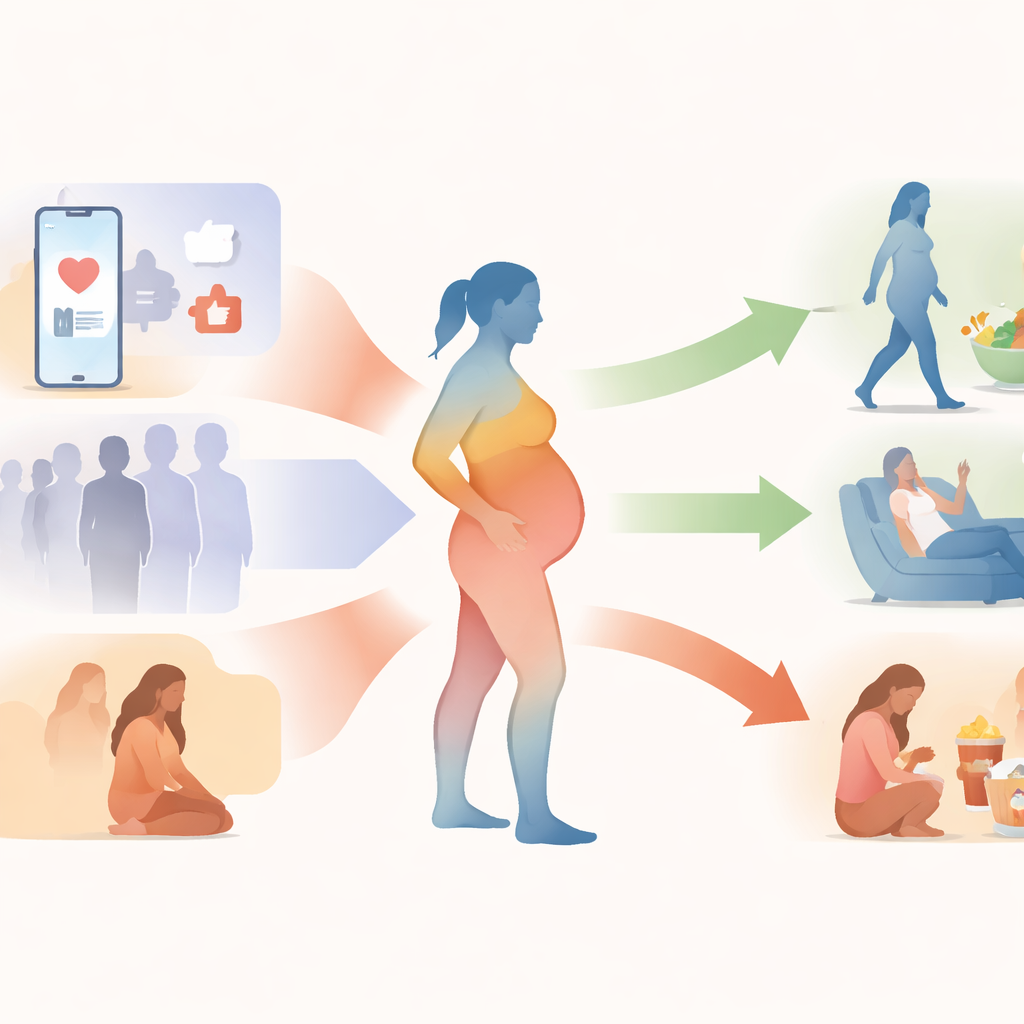
The team found that the majority of participants were in their early thirties, generally well educated, and often in their first pregnancy. Many felt attractive and accepted the changes in their bodies, but nearly half worried about how they would look after giving birth, and a similar share felt that media portrayals of pregnancy were unrealistic. To understand which factors really mattered for behavior, the researchers used a step-by-step statistical approach. They first entered clinical data, then simple appearance-related feelings, then views of media portrayals, and finally deeper body-esteem scores. Each step improved the explanation of why some women reported more healthy habits than others, with the final model accounting for a very large share of the differences in behavior.
Body image as a powerful inner driver
Among all the factors studied, the strongest links to healthy behavior came from how women felt about their bodies in a broader sense. Women who rated their physical condition more positively—feeling fitter and more capable—reported the highest levels of health-promoting habits. Feeling sexually attractive and having a certain degree of concern about weight were also tied to better behaviors, such as more physical activity and better diet. The authors suggest that these deeper forms of body esteem may act as psychological resources, supporting motivation, self-care, and a sense of agency. At the same time, they caution that weight concern is helpful only up to a point; if it turns into intense worry fueled by unrealistic ideals, it could encourage unhealthy restriction rather than balanced choices.
The double edge of social media
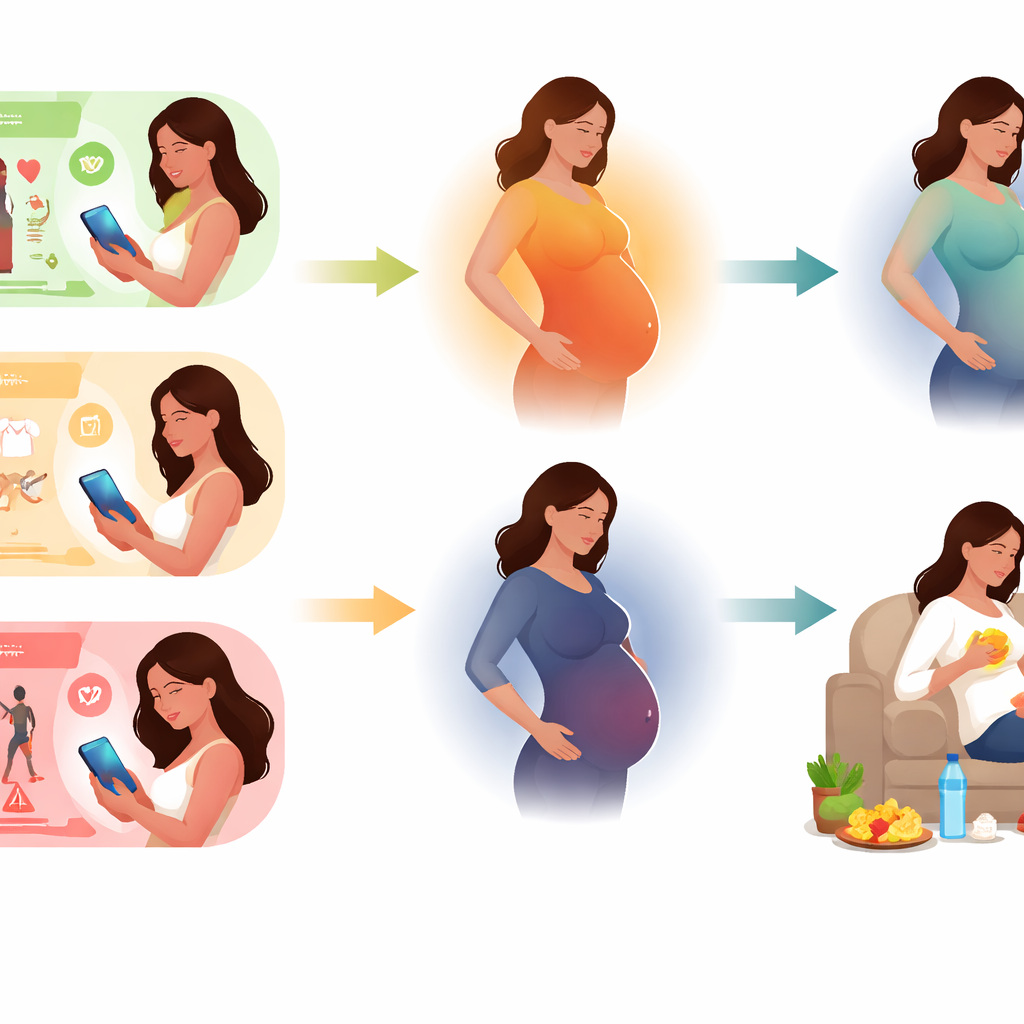
Social media and other media did not exert a simple one-way influence. Women who saw portrayals of pregnancy as negative—emphasizing strain, appearance pressure, or distress—were less likely to report healthy habits. Those who viewed media images as positive, showing active and strong pregnant women, reported more frequent health-promoting behaviors. Surprisingly, women who felt that pregnant women were largely missing from media also reported more healthy behaviors. The authors suggest that some women may rely less on online role models and more on healthcare professionals, partners, and their own judgment. In such cases, the absence of idealized images may actually protect against harmful comparisons and appearance pressure.
Changes over the course of pregnancy
The stage of pregnancy and the presence of other health problems also played important roles. As pregnancy advanced, reported healthy behaviors tended to decline, perhaps because of fatigue, physical discomfort, and reduced mobility in later months. By contrast, women with additional medical conditions, such as chronic illnesses or pregnancy complications, reported more health-promoting behaviors. They may receive closer medical supervision, clearer guidance, and stronger motivation to protect their own and their baby’s health. Interestingly, simply feeling healthy or perceiving the pregnancy as low- or high-risk did not, on its own, predict better or worse habits.
What this means for real-life care
To a lay reader, the central message is clear: during pregnancy, how a woman feels about her body and what she sees online can nudge her daily choices toward or away from healthy routines. The study suggests that supporting positive, realistic body image—and helping women critically interpret media messages—could be just as important as giving medical advice. Prenatal programs that combine sound health information with psychological support and media literacy may better equip expectant mothers to ignore unhelpful pressures, appreciate their changing bodies, and maintain habits that benefit both themselves and their babies.
Citation: Bień, A., Bączek, G., Pięta, B. et al. Body image and social media as predictors of pregnancy health behaviors. Sci Rep 16, 12175 (2026). https://doi.org/10.1038/s41598-026-43123-5
Keywords: pregnancy health behaviors, body image, social media influence, prenatal education, maternal well-being