Clear Sky Science · en
Characteristics of patients diagnosed for acute myeloid leukemia before and during the 2020 COVID-19 pandemic: the DATAML population-based cohort
Why This Study Matters to Patients and Families
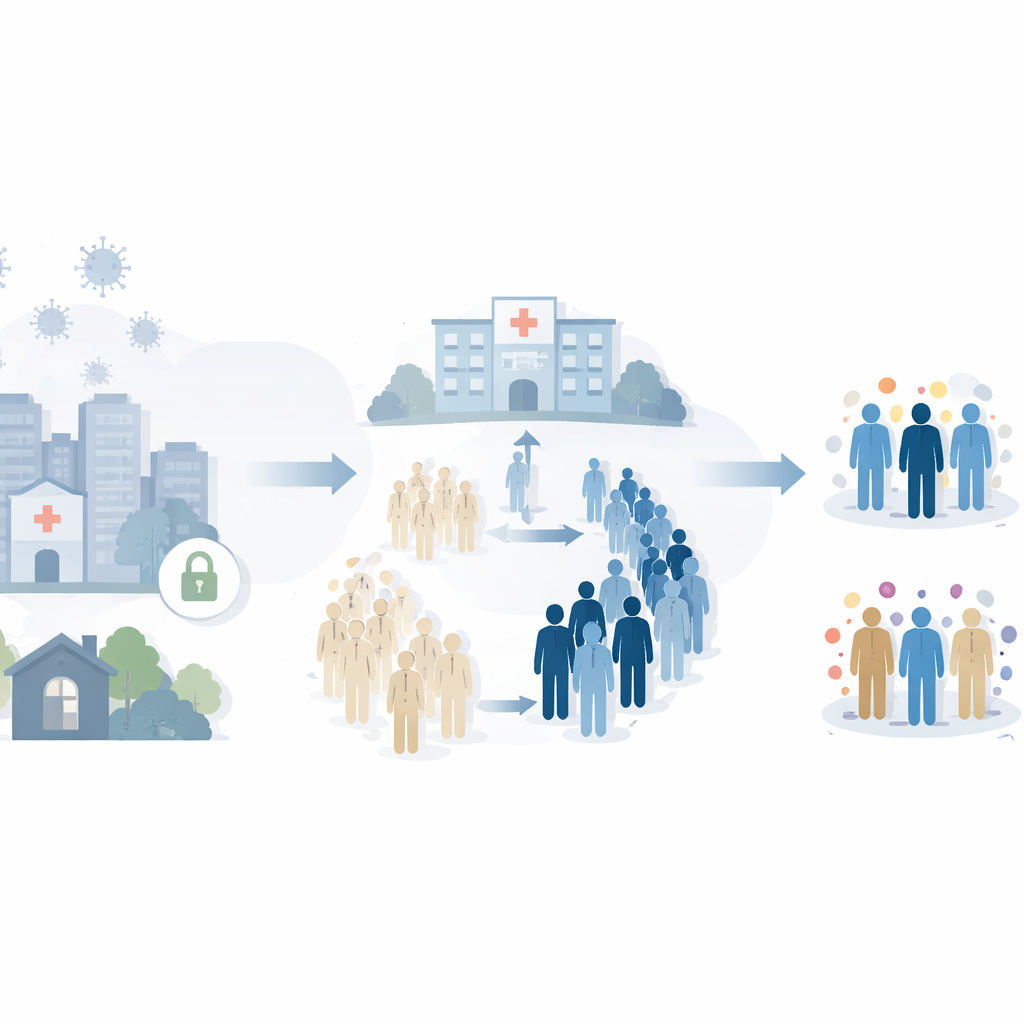
The COVID-19 pandemic raised a worrying question for people with cancer: did lockdowns and overburdened hospitals mean that life-threatening diseases were being diagnosed later, with worse outcomes? This study focuses on acute myeloid leukemia (AML), a fast-moving blood cancer that requires rapid treatment, and looks at what actually happened to AML patients diagnosed in South-West France during 2020 compared with the five years before the pandemic.
A Fast-Moving Cancer in a Slowed-Down World
AML is considered a medical emergency because it can progress quickly and disturb key blood components such as red cells, white cells, and platelets. At the start of the pandemic, international experts recommended adjusting cancer care to protect vulnerable patients from the coronavirus while still trying to treat their leukemia effectively. These changes included screening patients for the virus before chemotherapy, sometimes delaying intense treatments or stem cell transplants, and favoring less demanding drug regimens for frailer people. At the same time, the French government imposed a strict national lockdown in spring 2020, raising fears that people might delay seeing a doctor until their disease was more advanced.
A Real-World Picture from an Entire Region
To understand how these pressures played out in practice, the researchers turned to a large, ongoing cohort called DATAML, which records every adult diagnosed with AML in two regions of South-West France, covering more than six million inhabitants. They compared 430 patients diagnosed in 2020 with 1,714 patients diagnosed between 2015 and 2019. For each patient, they examined blood test results at diagnosis—levels of hemoglobin (red cells), white blood cells, platelets, and blasts (leukemia cells in the blood)—as well as deaths within 30, 60, and 90 days. Using time-series methods, they tracked how the proportion of patients with particularly severe blood abnormalities changed month by month across the six-year period, paying close attention to the first lockdown and the broader hospital situation, including intensive care unit (ICU) bed use.
Signs of Slightly Sicker Patients, but Stable Early Survival
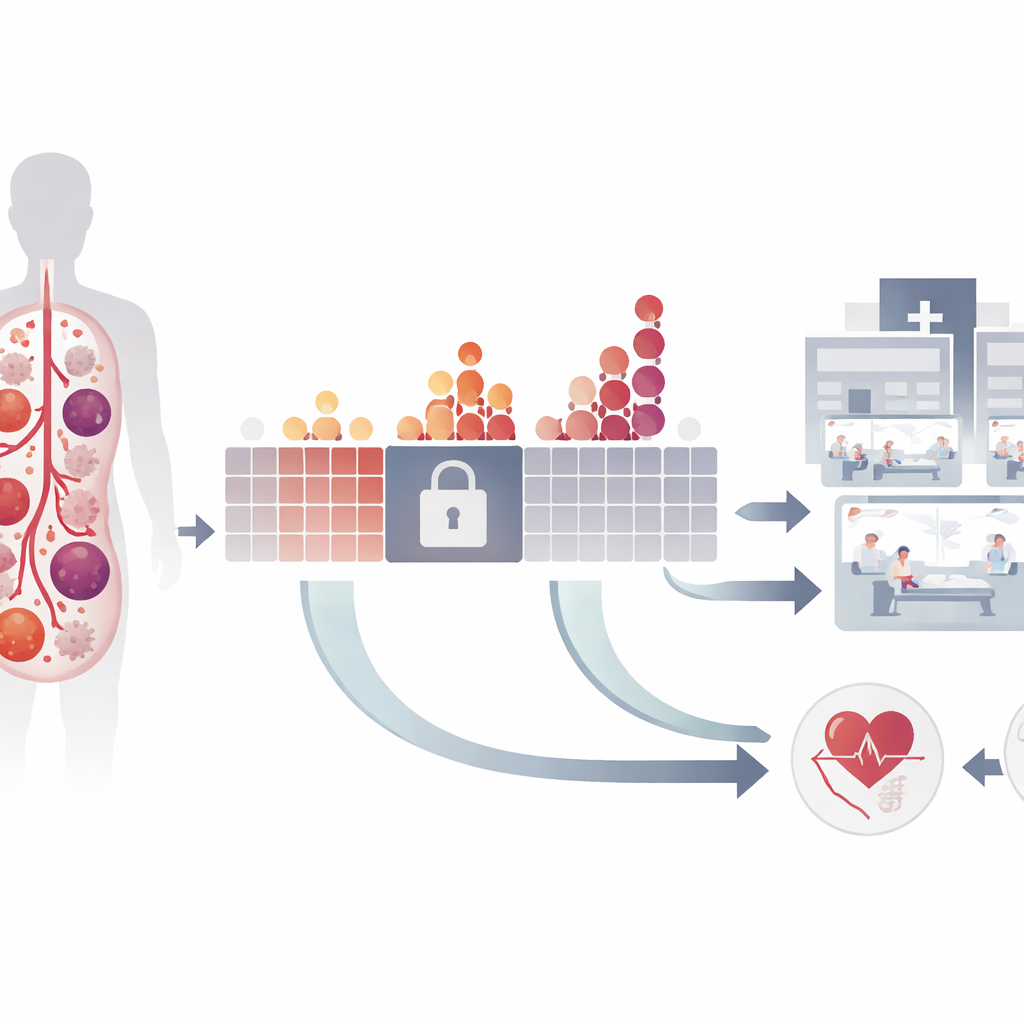
The analysis revealed a subtle shift in how sick patients appeared when their leukemia was first diagnosed in 2020. Around the first lockdown, there was an increase in the share of patients whose blood tests showed very low hemoglobin or platelet levels, which can signal more advanced or fragile disease. The difference reached clear statistical significance only for platelets; patterns for hemoglobin, white blood cells, and blasts were similar but weaker and less certain. At the same time, patients diagnosed in 2020 were less likely to receive the most intensive chemotherapy and had a modest two-day increase in the delay before starting curative-intent treatment, reflecting the cautious adjustments in care during the pandemic.
Health System Resilience in a Favorable Context
Despite these worrying hints of more severe blood abnormalities and slightly altered treatment patterns, the most striking finding was what did not change: early deaths. The number of patients dying within 30, 60, or 90 days after diagnosis in 2020 closely matched what would have been expected from the 2015–2019 data. There was no evidence of excess short-term mortality during or after the first lockdown. The authors suggest this stability reflects a relatively favorable regional situation: COVID-19 incidence was moderate, local hospitals did not have to close hematology or oncology beds, and ICUs dedicated to leukemia care remained open. In other words, the regional health system appears to have absorbed the shock well enough to prevent an immediate rise in deaths among AML patients.
What This Means for Future Crises
For patients and caregivers, the core message is both reassuring and cautionary. In this part of France, during a period when hospitals were strained but not overwhelmed, AML patients may have arrived slightly sicker and received somewhat less intensive or slightly delayed treatment, yet their short-term survival did not worsen. This suggests that a resilient, well-organized cancer care network can buffer some of the harm caused by broader disruptions. At the same time, the authors warn that in regions with heavier COVID-19 burdens and overloaded ICUs, the picture was likely more severe. Their findings provide a glimpse of how vulnerable diseases like AML respond to system-wide shocks—and underscore the importance of protecting rapid diagnosis and specialized cancer care during any future health crisis.
Citation: Lamy, S., Fenni, R., Tavitian, S. et al. Characteristics of patients diagnosed for acute myeloid leukemia before and during the 2020 COVID-19 pandemic: the DATAML population-based cohort. Sci Rep 16, 12336 (2026). https://doi.org/10.1038/s41598-026-41768-w
Keywords: acute myeloid leukemia, COVID-19 pandemic, cancer diagnosis delays, health system resilience, hematology care