Clear Sky Science · en
Return to work among self-employed breast cancer survivors from the CANTO cohort
Why this study matters for everyday life
Many women who survive breast cancer are still in the middle of their working lives, with bills to pay and sometimes a business to keep afloat. This study looks at an often overlooked question: after breast cancer, do self-employed women manage to return to work and stay there as easily as salaried employees? Using detailed data from thousands of French women, the researchers followed work patterns for several years after diagnosis to understand who goes back to work, who can keep working without major breaks, and how job type shapes that journey.
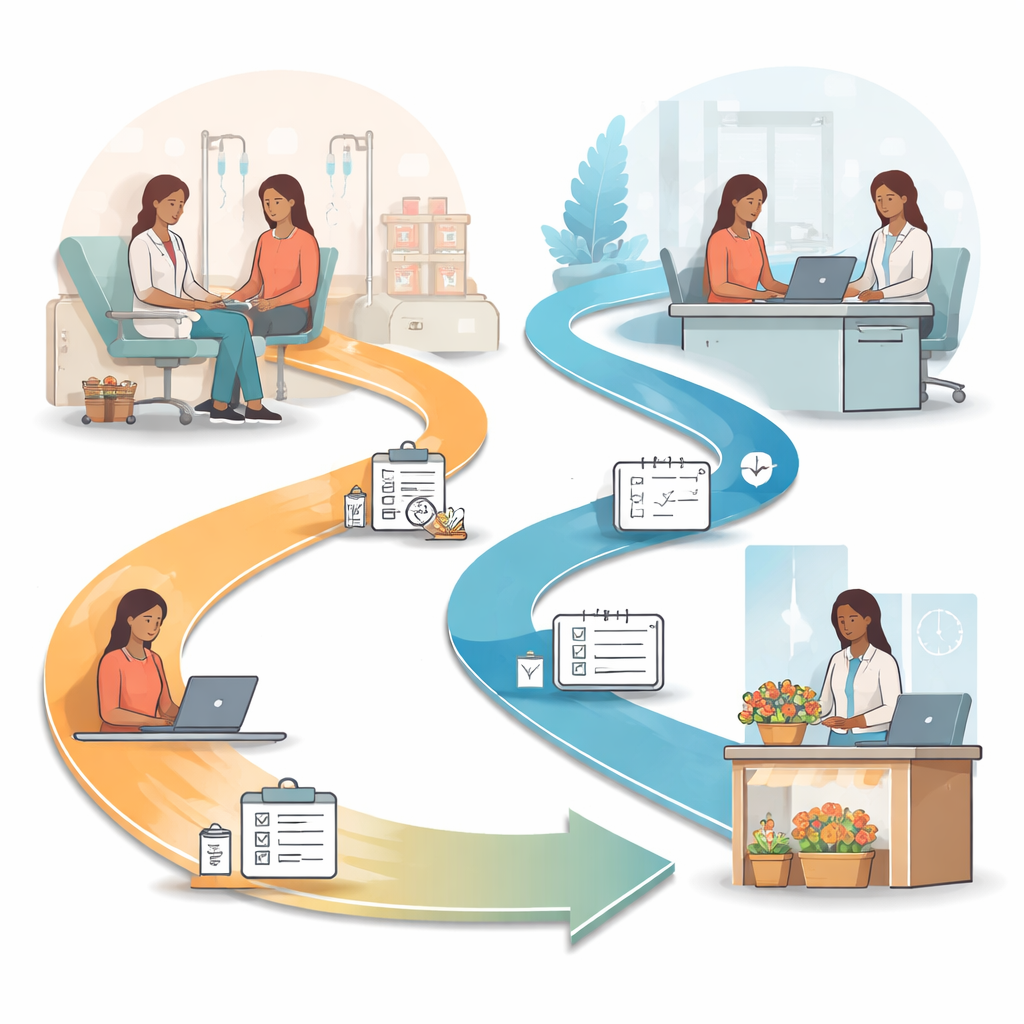
Different paths back to work
The study used information from the large French CANTO cohort, which follows women treated for early-stage breast cancer. Researchers focused on those younger than 57 who were working when diagnosed, comparing women who were self-employed—such as shop owners, freelancers, and small business managers—with women who were employees. They looked at whether these women were working two and four years after diagnosis, and whether they had managed to work continuously between years two and four or had experienced breaks such as long sick leave, unemployment, or early retirement.
Who makes it back into the workforce
Overall, most women did return to work. Two years after diagnosis, about 85% of self-employed women and 80% of employees were back on the job. Four years after diagnosis, these figures were 86% and 81%, respectively. Once the researchers took into account differences in age, stage of cancer, treatments, income, family situation, and quality of life, the advantage for self-employed women was small and statistically uncertain. In other words, simply being self-employed did not guarantee a much higher chance of being back at work at any single point in time.
White-collar versus hands-on jobs
Self-employment covers very different realities, from farmers and craft workers to lawyers and consultants. To capture this, the researchers used education level as a rough indicator of whether women were more likely to hold white-collar professional jobs or more physically demanding blue-collar jobs. They found that self-employed women with higher education—a group more likely to be in less physically demanding, more flexible jobs—were somewhat more likely to be working both two and four years after diagnosis than employees. In contrast, self-employed women with lower education, and thus more often in manual or physically tiring roles, did not differ much from employees in their chances of returning to work.
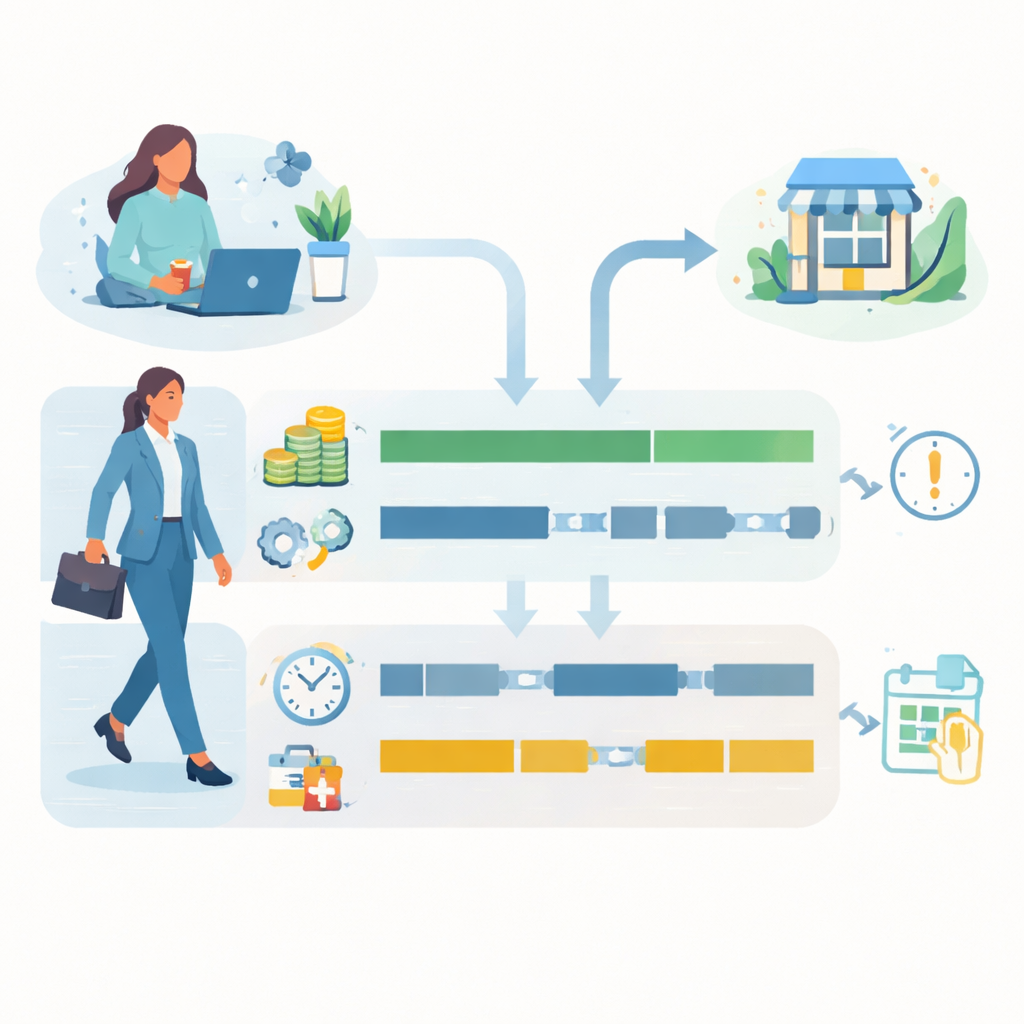
Staying at work without major breaks
The largest difference emerged when the team examined what happened after women had already gone back to work. Among those who were working two years after diagnosis, 67% of self-employed women were still working continuously up to year four, compared with 57% of employees. This pattern held even after adjusting for health, treatment, and personal factors, and it was slightly stronger when the researchers expanded the analysis to women diagnosed before age 60. The findings suggest that once they resume work, self-employed women are more likely to push through and avoid long interruptions, while employees more often experience renewed sick leave, unemployment, or other breaks.
What this means for patients and policy
To a lay reader, the main takeaway is that self-employed breast cancer survivors are not dramatically more likely than employees to be back at work at any given moment—but when they do return, they tend to keep working more steadily. This “staying power” is probably driven less by better health and more by necessity: self-employed women often have weaker social protections, fewer sick-leave benefits, and more to lose if their business stalls. The authors argue that return to work should be seen as an ongoing process rather than a single milestone, and that self-employed survivors in particular need support that helps them protect both their health and their livelihood. Tailored financial aid, flexible sick-leave arrangements, and practical help in keeping a business running during treatment could all make it easier for these women to recover without sacrificing long-term job security.
Citation: Lopez, C., Licaj, I., Dumas, A. et al. Return to work among self-employed breast cancer survivors from the CANTO cohort. Sci Rep 16, 13195 (2026). https://doi.org/10.1038/s41598-026-41157-3
Keywords: breast cancer survivors, self-employment, return to work, work continuity, cancer survivorship