Clear Sky Science · en
Incidence and mortality of refeeding syndrome in critically ill patients: a systematic review and meta-analysis
When Feeding Becomes a Hidden Risk
In modern intensive care units, getting enough nutrition is a daily struggle for many patients who are critically ill, malnourished, or recovering from major surgery. Yet, surprisingly, the act of restarting feeding after a period of starvation can itself trigger a dangerous reaction known as refeeding syndrome. This study pulls together results from dozens of previous investigations to ask two simple but important questions: how often does this problem happen in very sick patients, and does it actually increase their chances of dying?
What Happens When the Body Is Fed Again
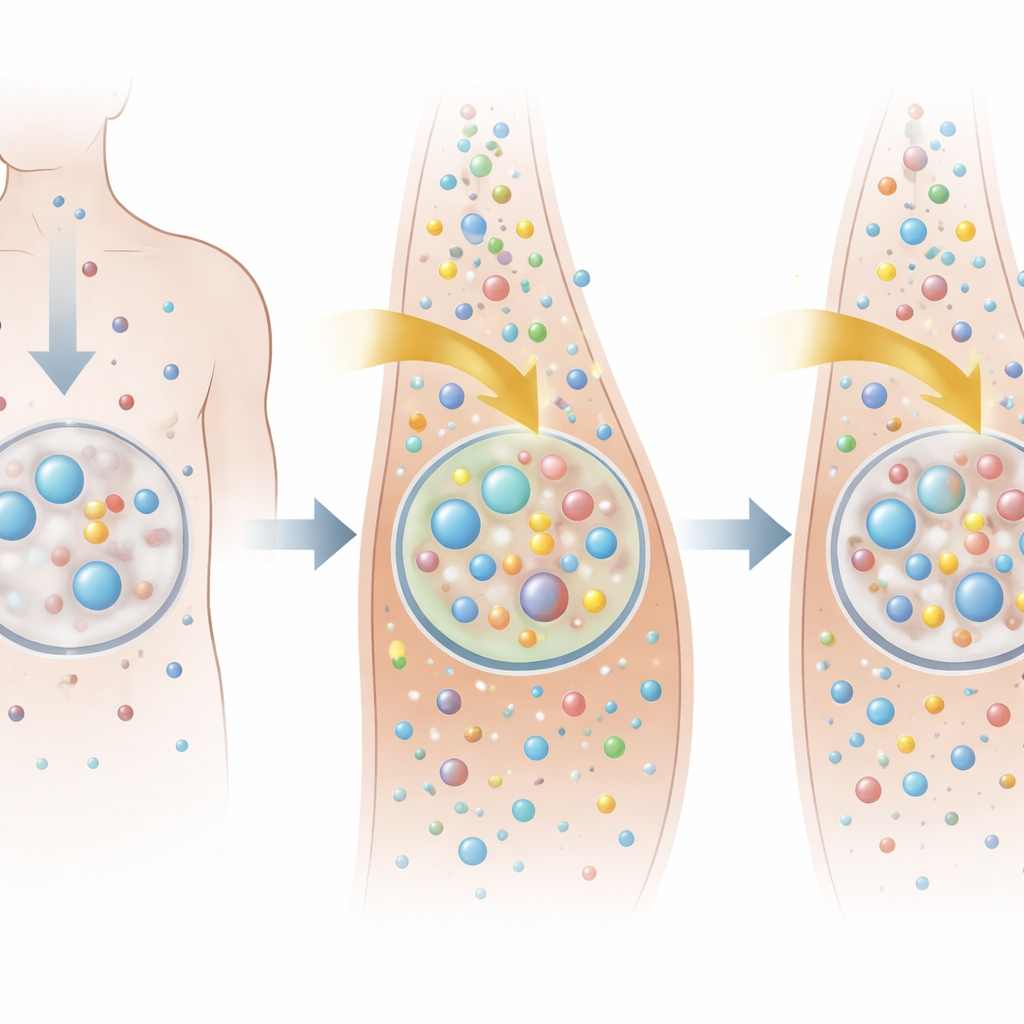
During long periods without food, the body adapts by slowing its use of energy and drawing on its own stores. When feeding restarts—whether by tube, intravenous nutrition, or by mouth—the body suddenly shifts gears. Sugar and other nutrients rush into the bloodstream, the hormone insulin spikes, and key salts in the blood, such as phosphate, move quickly into cells. In refeeding syndrome, this shift goes too far. Blood levels of these salts can plunge, which may disturb the heart, lungs, and brain. Because critically ill patients are already fragile and often undernourished, they are thought to be especially vulnerable to this hidden shock of renewed feeding.
Gathering Clues from Many Hospitals
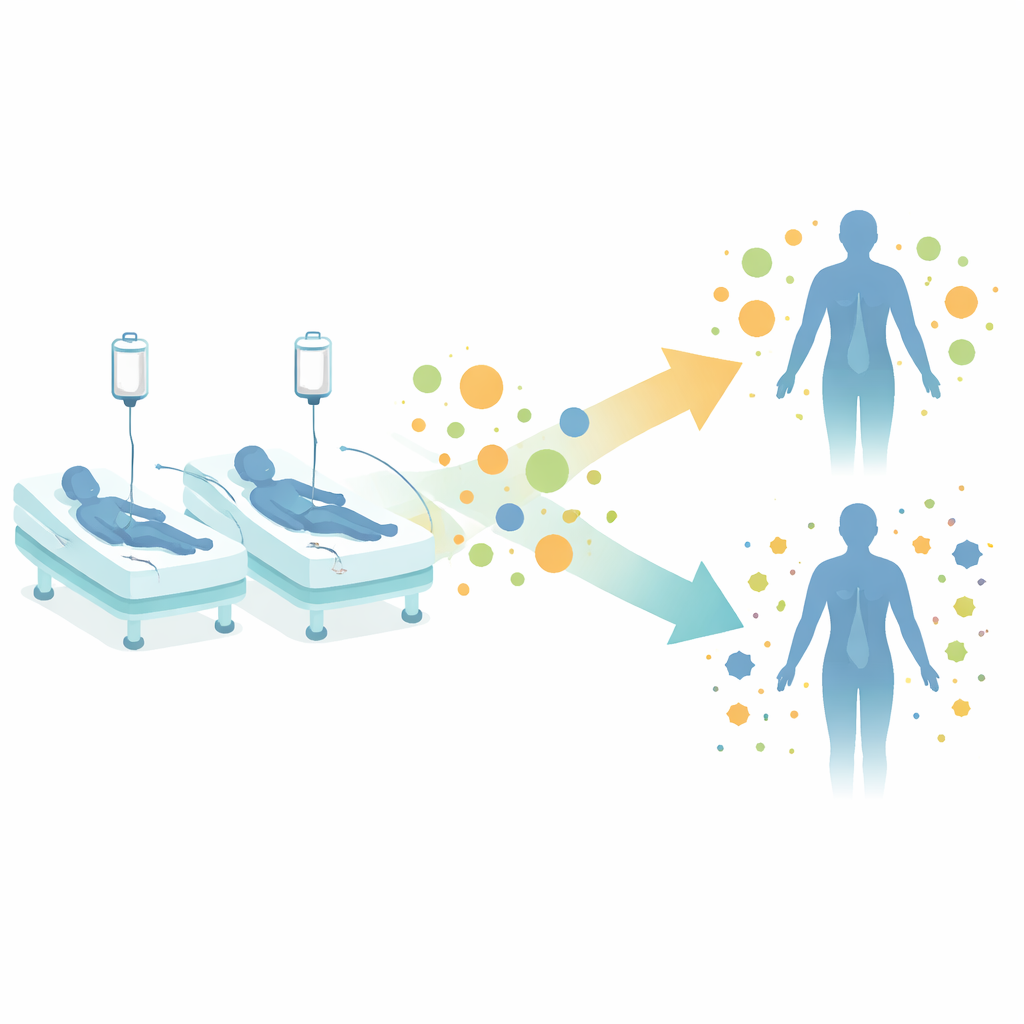
The authors conducted a systematic review and meta-analysis, which means they carefully searched major medical databases and combined results from many separate studies into one overall picture. They included 28 studies with more than 10,000 patients treated in intensive care units around the world—adults, children, and newborns. Most of these studies were observational: they watched what happened with usual care rather than testing a particular treatment. Each study used its own definition of refeeding syndrome, but nearly all focused on sharp drops in blood phosphate levels after nutrition was started or increased.
How Often Refeeding Problems Occur
Across all studies, refeeding syndrome—or closely related low-phosphate events—was common, but the numbers varied widely. Some reports found almost no cases; others saw it in most patients. When the data were pooled, about one in four critically ill patients developed refeeding syndrome. The risk was not the same in all age groups: roughly three in ten adults and one in four newborns were affected, compared with about one in twenty older children. These differences likely reflect not only biology, but also how closely teams looked for the problem and which laboratory cutoffs they chose. The authors also found signals of publication bias, suggesting that studies with certain kinds of results may have been more likely to be published, adding further uncertainty to the true rate.
Does Refeeding Syndrome Mean a Higher Risk of Death?
The team then examined whether patients who developed refeeding syndrome were more likely to die during their hospital stay than those who did not. Looking at 14 studies that reported deaths, they found no clear, consistent link in adults or in older children. While some studies hinted at higher risk and others did not, combining all of them produced a result that could be explained by chance alone. Among newborns, one study did suggest a substantially higher death rate in those with refeeding problems, but because it was only a single study, it cannot provide firm proof. Patients with refeeding syndrome did tend to stay in intensive care slightly longer and spend more time on breathing machines, yet even these differences were small and varied a lot from one study to another.
Why the Evidence Remains Uncertain
Several issues make the findings hard to interpret. There is still no single agreed-upon definition of refeeding syndrome, so researchers may not be talking about exactly the same condition. Many of the included studies were small, from single hospitals, and did not fully account for how sick patients were before feeding began. Low phosphate levels, for instance, are common in serious illness for many reasons that have little to do with nutrition. As a result, refeeding syndrome may sometimes be more of a warning sign of overall frailty than a direct cause of death or complications.
What This Means for Patients and Clinicians
For people in intensive care and the teams who treat them, these results send a mixed but important message. Refeeding problems appear to be frequent in very ill patients, especially adults and newborns, and they may be linked to longer intensive care stays and more complex recoveries. However, this large review did not show a firm, reliable connection with death in most age groups. The authors conclude that refeeding syndrome should be seen as a marker of vulnerability that deserves careful monitoring, rather than a proven killer on its own. They call for clearer, standardized definitions and better-designed studies so that doctors can know when to slow down feeding, when to supplement key salts and vitamins, and how best to protect high-risk patients as they are slowly nourished back to health.
Citation: Schneider, L., Nedel, W.L., Perez, A.V. et al. Incidence and mortality of refeeding syndrome in critically ill patients: a systematic review and meta-analysis. Sci Rep 16, 10454 (2026). https://doi.org/10.1038/s41598-026-41063-8
Keywords: refeeding syndrome, critical care nutrition, hypophosphatemia, intensive care unit, systematic review