Clear Sky Science · en
A systematic review and meta-analysis of astaxanthin efficacy in male infertility: evidence from clinical and preclinical studies
Why this matters for families
Many couples struggling to conceive look for over-the-counter supplements that promise to boost male fertility. Astaxanthin, a red pigment found in salmon, shrimp, and algae, is one such popular antioxidant. This study asks a simple but pressing question: does astaxanthin actually help men with infertility, or are the benefits mostly seen in laboratory animals?
What the researchers set out to test
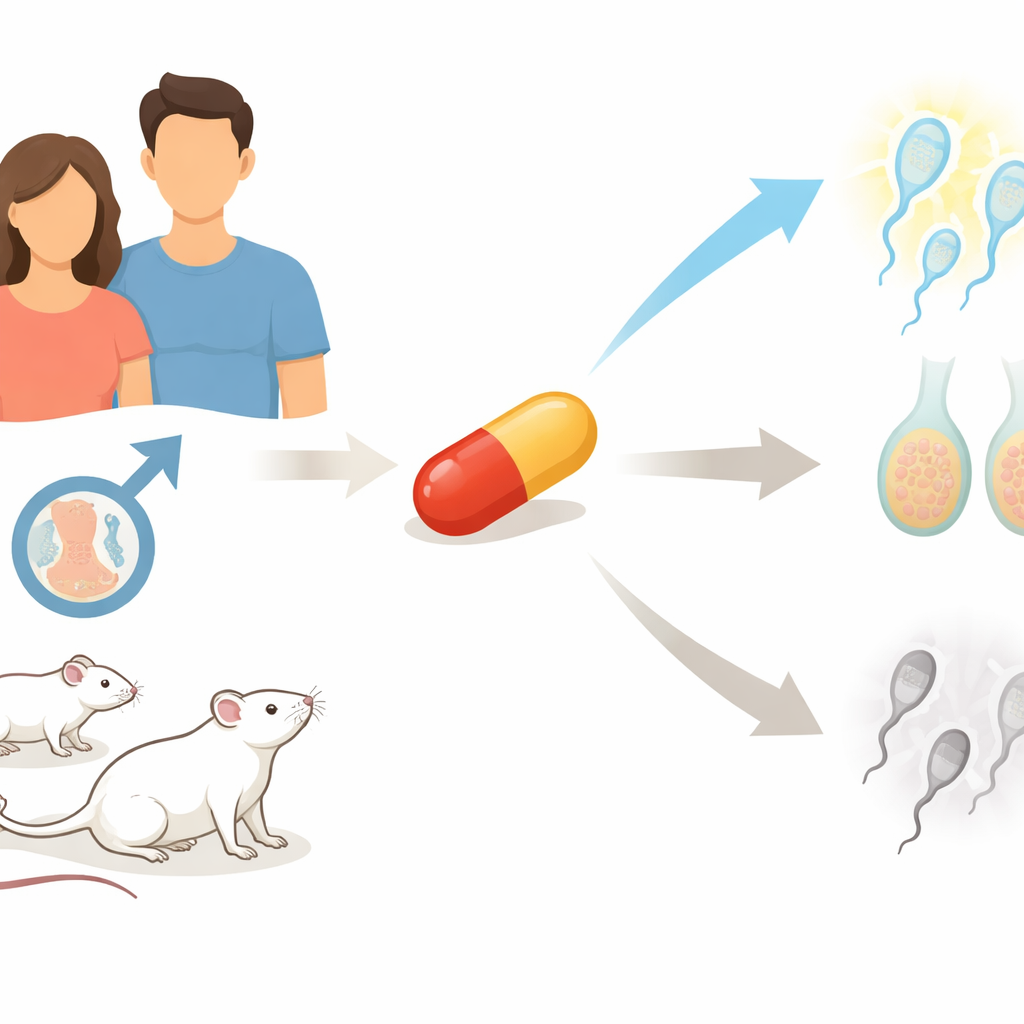
The authors combined results from all available studies that gave astaxanthin to males with fertility problems, in both humans and animals. They searched major medical databases up to mid‑2025 and followed strict international rules for systematic reviews. Only carefully designed experiments were included: randomized clinical trials in men, and controlled laboratory studies in rodents with damaged or impaired testicles. The main outcomes were familiar semen measures—how many sperm, how well they move, how healthy they look—as well as signs of chemical stress and inflammation in reproductive tissue.
What the human trials actually show
In real patients, the evidence turned out to be thin. Only three clinical trials met the criteria, involving 145 infertile men in Belgium, Slovenia, and Iran. These men took astaxanthin pills by mouth for three months, at doses between 6 and 16 milligrams a day, while others received placebo capsules. When the two most reliable trials were pooled, astaxanthin did not significantly improve sperm count, movement, or shape compared with placebo. One older, weaker study did report a higher pregnancy rate in couples where the man took astaxanthin, but its design flaws make those results uncertain. Overall, based on current data, we cannot say that astaxanthin helps men produce better semen or achieve more pregnancies.
What happens in animal experiments
The picture looks very different in the laboratory. Seven animal studies, mostly in mice and rats, used models where the testes were deliberately harmed—by toxic metals, chemotherapy drugs, heat, spinal cord injury, or testicular twisting. In these settings, astaxanthin was given at much higher doses than humans typically take, often 1–100 milligrams per kilogram of body weight. Across these experiments, the supplement generally increased sperm number, movement, and survival, while reducing misshapen sperm. Tissue samples from treated animals showed less structural damage, fewer dying cells, calmer inflammatory signals, and stronger antioxidant defenses. In short, under controlled injury conditions and high dosing, astaxanthin looked clearly protective in animals.
How astaxanthin might work inside the body
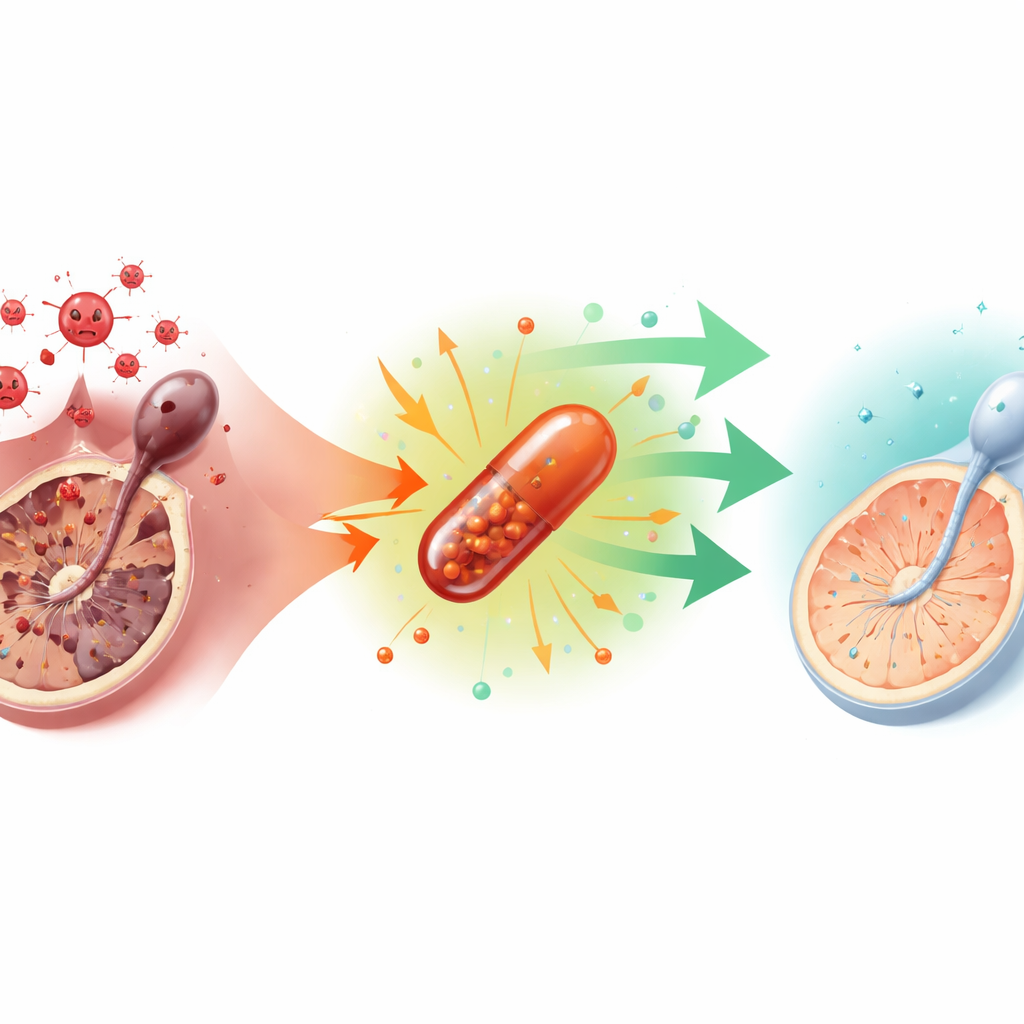
To understand these effects, the researchers examined markers that reveal what is happening inside reproductive cells. Astaxanthin appears to act as a shield against oxidative stress—an imbalance of reactive molecules that can punch holes in cell membranes and DNA. In both men and animals, astaxanthin lowered chemical signs of this stress and boosted the body’s own defense enzymes. Animal work also suggests it can calm inflammatory pathways and reduce programmed cell death in the testes. However, in human trials these promising shifts in blood and semen chemistry have not yet translated into clear, consistent improvements in standard fertility measures like sperm count or shape.
What this means for men considering supplements
For couples, the takeaway is cautious. This review finds strong, repeatable benefits of astaxanthin in animal models of testicular damage, but only weak and inconsistent evidence that it improves sperm quality or fertility in men. The doses and conditions used in animals differ sharply from everyday supplement use, making it risky to assume the same benefits apply. Until larger, well‑designed clinical trials test a range of doses and track real-life outcomes such as pregnancy and live birth, astaxanthin should be viewed as an experimental option rather than a proven treatment for male infertility.
Citation: Dehpahni, M.F., Hoolari, B.B. & Amidi, F. A systematic review and meta-analysis of astaxanthin efficacy in male infertility: evidence from clinical and preclinical studies. Sci Rep 16, 9875 (2026). https://doi.org/10.1038/s41598-026-39963-w
Keywords: male infertility, astaxanthin, antioxidant supplements, sperm quality, reproductive health