Clear Sky Science · en
Dietary gallic acid facilitate growth performance, improve slaughter performance through enhanced intestinal function in yellow-feathered broiler
Why a plant compound in chicken feed matters
As the livestock industry moves away from routine antibiotic use, farmers are searching for safe, natural ways to keep animals healthy and growing well. This study tested gallic acid, a plant-based substance found in many fruits and herbs, as a feed additive for yellow-feathered broiler chickens. The researchers asked a simple but important question: can this natural ingredient help chickens grow faster, produce leaner meat, and stay healthier on the inside, especially in their guts?
Testing a natural helper in the feed trough
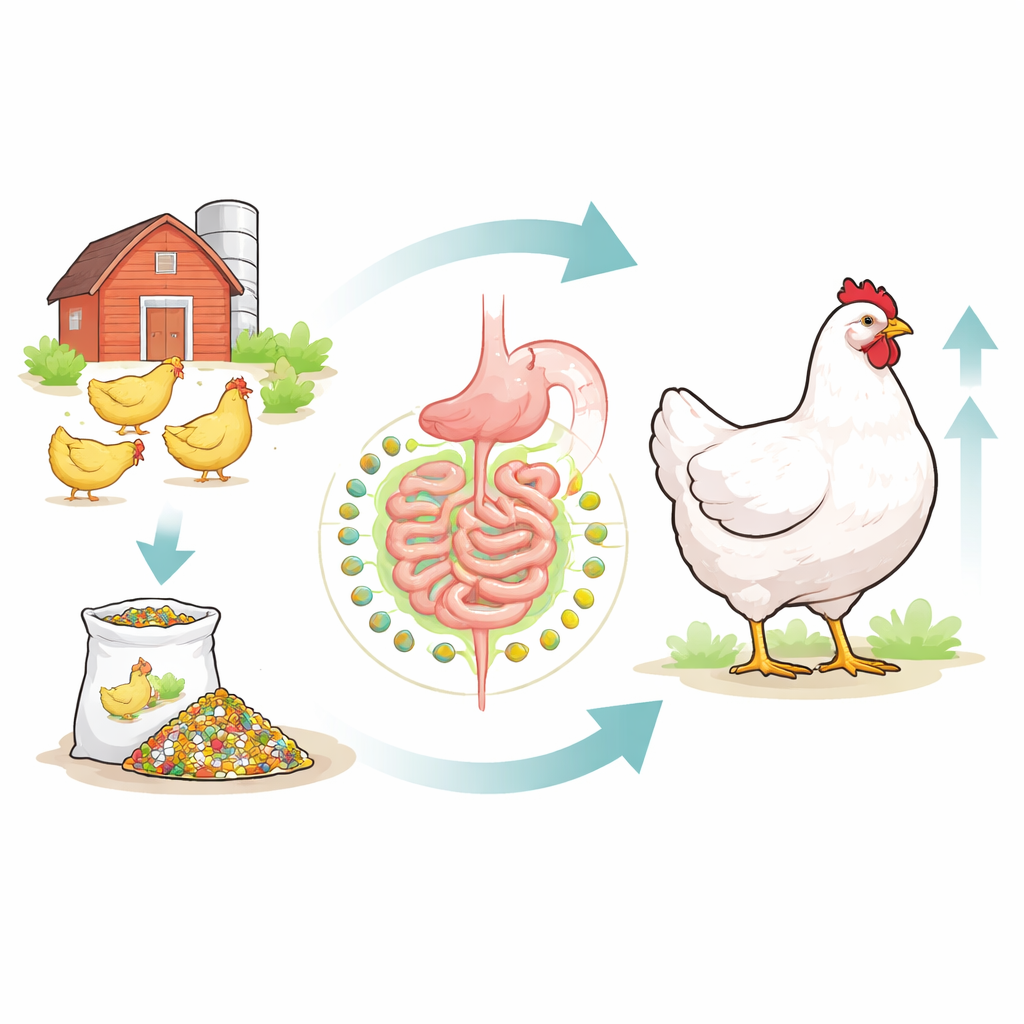
To explore this, scientists raised 375 young male yellow-feathered broilers and divided them into five groups. All chickens received the same basic diet, but each group got a different amount of added gallic acid: none, low, medium, or higher doses. The birds were raised for six weeks, during which the team carefully recorded how much they ate, how much weight they gained, and how efficiently they turned feed into body mass. At the end of the trial, selected birds were humanely slaughtered so that their carcass yields, body fat, breast muscle, intestines, and gut microbes could be examined in detail.
Better growth and leaner meat at the sweet spot dose
The clearest benefits appeared at a gallic acid level of 150 milligrams per kilogram of feed. Chickens on this diet weighed more at several ages than those without gallic acid, gained weight faster, and needed less feed to produce the same amount of growth. At slaughter, birds given 100 or 150 milligrams per kilogram had a higher proportion of valuable breast meat and less belly fat, without changes in total dressed weight. In other words, the same bird produced more marketable lean meat and less waste fat when its diet contained the right amount of this plant compound.
Healthier inner lining of the gut
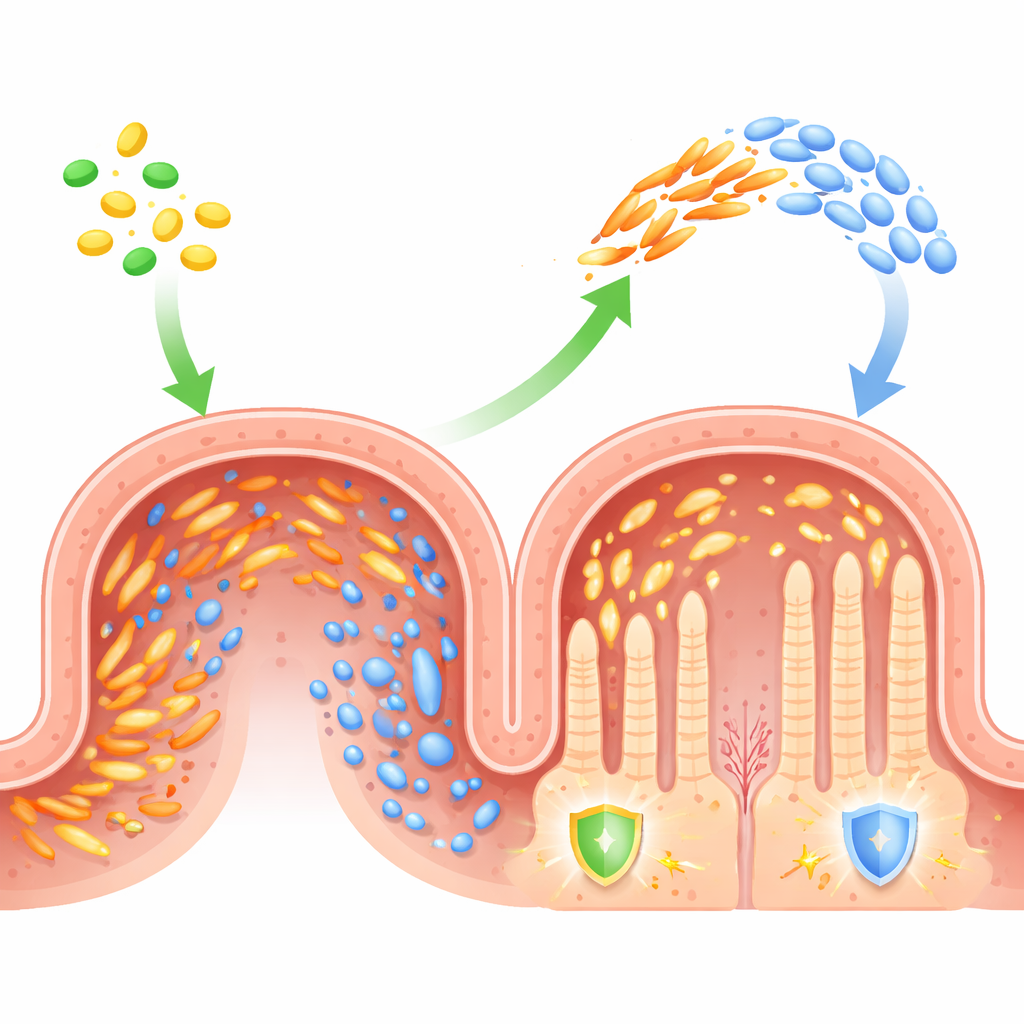
Beyond growth, the researchers looked inside the small intestine, where nutrients are absorbed and where the body first meets many microbes. They measured the tiny finger-like projections called villi that line the gut wall. In one part of the intestine, chickens receiving a modest dose of gallic acid had taller villi, which is usually linked to better digestion and absorption. The team also examined the activity of several genes in the intestinal lining that are involved in inflammation, stress response, and barrier protection. Gallic acid boosted the activity of genes related to immune defenses, protective mucus production, and antioxidant control, suggesting a stronger and more resilient gut barrier.
Gentle reshaping of the gut microbial community
Because gut bacteria play a central role in health and growth, the scientists sequenced the microbes found in the cecum, a key fermentation chamber in the chicken’s intestine. While the overall richness and diversity of microbes did not change much, the overall pattern of the community shifted noticeably in birds fed gallic acid, especially at 150 milligrams per kilogram. There was an increase in one major group of bacteria (Firmicutes) and a decrease in another (Bacteroidetes), along with changes in certain less common genera. Many Firmicutes are thought to support a mild, stable gut environment and help keep harmful germs in check, hinting that gallic acid may encourage a more protective microbial balance.
What this means for everyday chicken production
Altogether, the study shows that adding a carefully chosen dose of gallic acid to the diet of yellow-feathered broilers can promote faster growth, improve feed efficiency, produce more breast meat with less fat, and support a healthier intestine and microbial community. For consumers, this points to a potential way to raise chickens with fewer antibiotics while still maintaining performance and meat quality. For farmers, it suggests that natural compounds already present in common plants could become practical tools to keep flocks productive and resilient in an era of stricter limits on antibiotic use.
Citation: Du, Y., Guo, L., Lang, X. et al. Dietary gallic acid facilitate growth performance, improve slaughter performance through enhanced intestinal function in yellow-feathered broiler. Sci Rep 16, 13193 (2026). https://doi.org/10.1038/s41598-026-38753-8
Keywords: gallic acid, broiler chickens, gut health, feed additives, microbiota