Clear Sky Science · en
Relevance of polymorphisms in TLR2/4 genes and their association with plasma cytokines for schizophrenia
Why this research matters
Schizophrenia is usually thought of as a brain disorder, but growing evidence suggests that the body’s immune system also plays a role. This study asks a very specific question with big implications: do tiny inherited changes in our immune genes help explain why many people with schizophrenia have higher levels of inflammatory molecules in their blood, and could these changes be linked to thinking problems?
The body’s alarm system and brain health
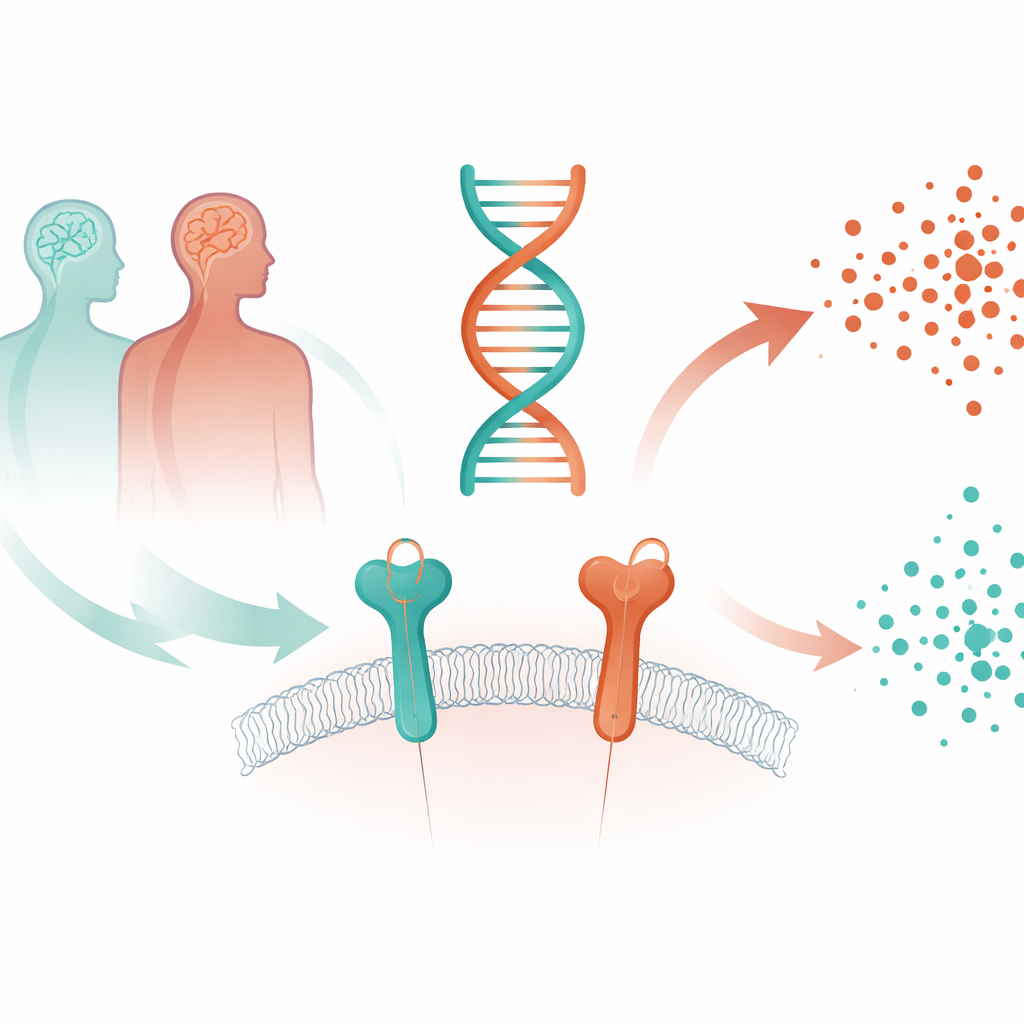
Our immune system relies on molecular “alarm bells” that sense danger and trigger inflammation. Two such alarms, called Toll-like receptors 2 and 4 (TLR2 and TLR4), sit on immune cells and detect signs of infection or tissue damage. When switched on, they set off a chain reaction that releases small proteins called cytokines, which help coordinate the immune response. Cytokines can affect the brain, especially during development, and long-lasting low-level inflammation has been linked to changes in brain wiring and thinking. Previous work, including by this research group, showed that people with schizophrenia often have higher blood levels of certain cytokines and greater TLR activity than healthy volunteers.
A closer look at genes, blood, and thinking
To test whether inherited variation in TLR2 and TLR4 helps drive this inflammation, the researchers studied 281 adults in Ireland: 91 people with stable schizophrenia or schizoaffective disorder and 190 healthy controls. All gave blood samples and completed a battery of thinking and memory tests. The team measured blood levels of four cytokines (IL-6, IL-8, IL-10 and TNF-α) and also stimulated fresh blood in the lab to gauge how strongly TLR2 and TLR4 responded. Using a high-density genetic chip, they scanned dozens of common DNA variants in and around the TLR2 and TLR4 genes, then used statistical models to test how each variant related to cytokine levels and cognitive scores, while accounting for age, sex and body weight.
Immune differences that depend on genetic type
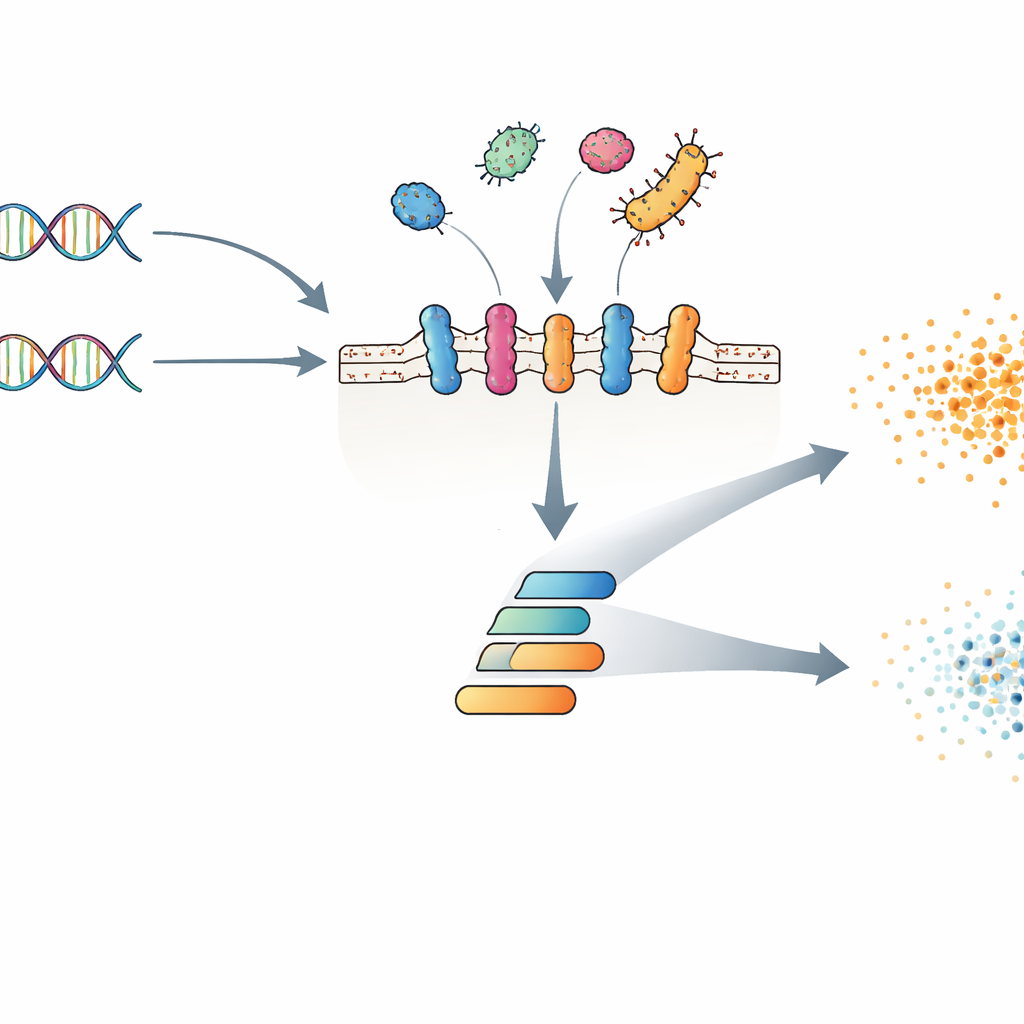
The pattern that emerged was striking. As a group, patients showed higher circulating levels of the inflammatory cytokines IL-6 and IL-8, and stronger TLR2 and TLR4 activity, than healthy controls. Within the patient group, one variant inside the TLR2 gene was strongly linked to higher IL-8 levels. Several variants in and near the TLR4 gene were tied to increased IL-6 and TNF-α levels, in some cases in patients only, in others in both patients and controls. Many of these variants sit in stretches of DNA that act as switches or enhancers for immune cells such as monocytes, neutrophils and B cells, and are predicted to alter how easily key control proteins bind, potentially boosting the TLR signal and cytokine release.
No direct link to thinking and memory
Because earlier work suggested that inflammation and TLR activity might contribute to problems with memory, attention and social understanding, the researchers also asked whether these TLR gene variants tracked with cognitive performance. Despite using sensitive, standardized tests of IQ, working memory, learning, story recall and the ability to read emotions from faces, they found no reliable associations between any of the TLR2 or TLR4 variants and thinking scores in either patients or controls. This contrasts with smaller studies in other ethnic groups and suggests that any genetic effects on cognition, if present, are subtle or depend on additional factors.
What this means for understanding schizophrenia
Overall, the study supports the idea that some people with schizophrenia carry immune gene variants that nudge their bodies toward higher baseline inflammation, particularly for cytokines such as IL-6, IL-8 and TNF-α. These genetic differences appear to influence blood chemistry more clearly than they influence thinking ability, at least in this sample. For a lay observer, the key message is that schizophrenia may involve not just the brain but a genetically tuned immune imbalance. Identifying such at-risk immune profiles could one day help tailor prevention or treatment strategies that calm the body’s alarm system and, in turn, may help protect the brain.
Citation: Patlola, S.R., Laighneach, A., Morris, D.W. et al. Relevance of polymorphisms in TLR2/4 genes and their association with plasma cytokines for schizophrenia. Genes Immun 27, 203–209 (2026). https://doi.org/10.1038/s41435-026-00383-5
Keywords: schizophrenia, immune system, cytokines, toll-like receptors, genetic variation