Clear Sky Science · en
Evaluation of serum and dietary profiles of vitamin B12 and folate and their association with systemic complications in patients with Crohn’s disease
Why vitamins matter in Crohn’s disease
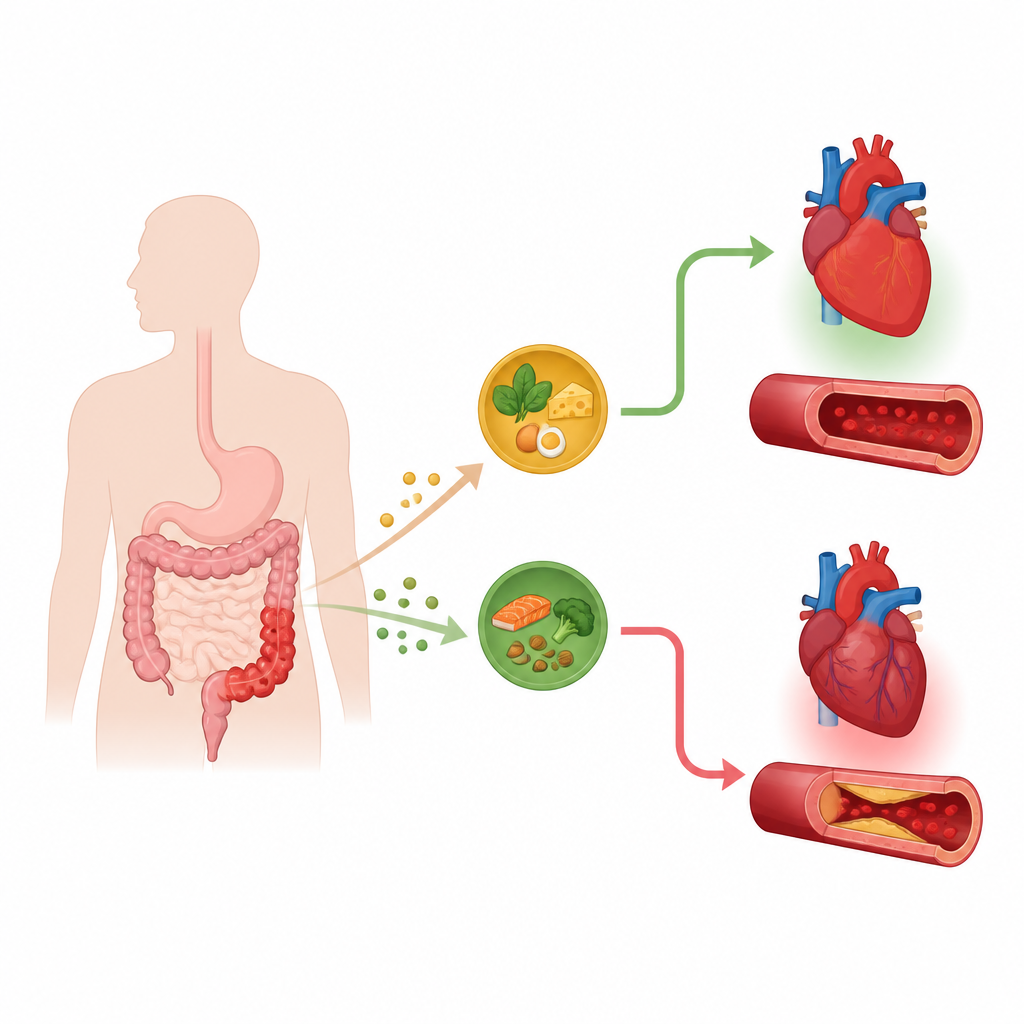
Crohn’s disease is best known for causing painful flare ups in the gut, but its effects reach far beyond digestion. This study explores how two familiar vitamins, B12 and folate, relate not only to bowel damage but also to whole body problems such as joint pain and heart risk. Understanding this link may help people with Crohn’s and their doctors use simple blood tests and nutrition checks to spot trouble early.
Looking at food and blood together
The researchers followed 60 adults with Crohn’s disease who were either in a quiet phase of the illness or in an active phase with visible inflammation on scans or endoscopy. Each person completed a detailed recall of what they ate the previous day, which was analyzed for energy, protein, vitamin B12, and folate. Blood tests taken close to that visit provided vitamin levels and cholesterol measures. Rather than measuring homocysteine directly, the team used well established cutoffs for B12 and folate in the blood to estimate whether someone was at low, moderate, or high risk of having raised homocysteine, a substance linked to blood clots and heart disease.
Diet patterns in people with Crohn’s
Overall, people in both active and quiet phases of Crohn’s disease ate similar amounts of calories, carbohydrates, and fats. Many had high protein intake, especially those in remission, which fits with modern diets rich in animal foods. Most participants appeared to meet standard recommendations for B12 and folate intake, and everyone met the usual targets for folate. Yet these recommendations are based on healthy adults, not on people with chronic gut inflammation who may lose nutrients through poor absorption or surgery. The study found that despite seemingly adequate intake on paper, a large share of patients still fell into metabolic risk zones that suggest a tendency toward higher homocysteine.
What blood tests revealed about risk
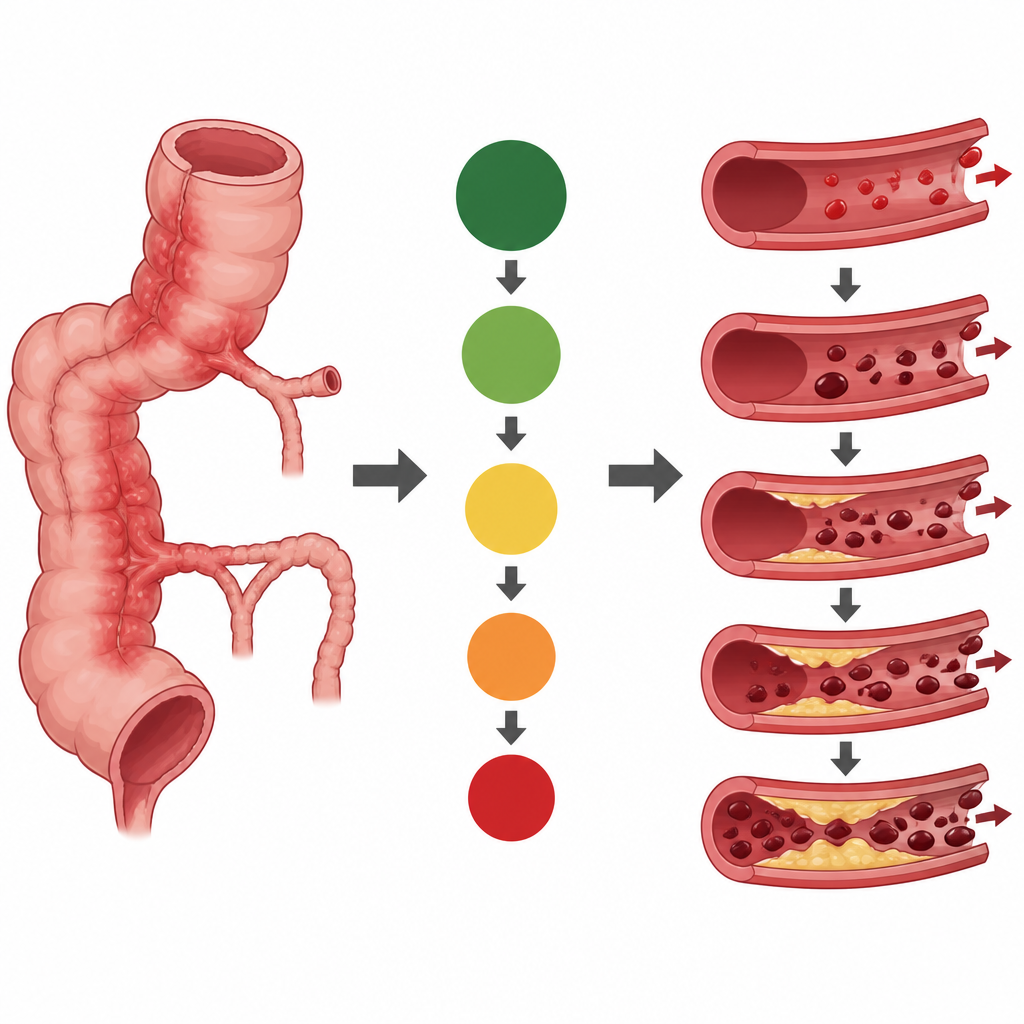
Blood results told a more worrying story than diet records alone. People with active Crohn’s disease were far more likely to have a true B12 deficiency and had lower folate levels than those in remission. Active patients also had lower non HDL cholesterol, which may sound beneficial but in this context likely reflects inflammation and weight loss rather than healthy metabolism. When the team grouped patients by the way their disease behaved in the gut, those with stricturing or penetrating forms, which damage and narrow the bowel, had much lower B12 levels. Strikingly, almost all of these patients fell into higher risk categories for elevated homocysteine, while nearly a third of those with milder, non stricturing disease landed in the safest category.
Links with inflammation and body wide symptoms
The study also explored how vitamin intake related to signs of inflammation and symptoms beyond the intestine, such as joint, skin, or eye problems. Moderate B12 intake was tied to lower erythrocyte sedimentation rate, a routine marker of inflammation, and higher B12 intake was linked to fewer extraintestinal symptoms. Folate intake tracked with healthier food choices like meat, fruit, and iron rich foods, and with other B vitamins, which suggests that broader eating patterns matter. However, folate did not show as strong a connection with clinical features as B12, perhaps because folate from food is less potent at lowering homocysteine than supplemental folic acid.
What this means for people living with Crohn’s
For a layperson, the takeaway is that having Crohn’s disease can quietly disturb vitamin B12 and folate balance even when the diet seems adequate, especially when the disease is active or has caused scarring and fistulas in the intestine. These vitamin shifts are not just lab curiosities; they may signal higher risk of blood vessel problems and other systemic complications. Regular nutritional follow up and blood checks for B12, folate, and related markers could help doctors identify patients at higher risk and consider dietary adjustment or supplements. While this study cannot prove cause and effect, it supports the idea that paying close attention to these vitamins is an important part of comprehensive Crohn’s care.
Citation: de Castro, M.M., dos Santos, V.N., Gomes, M.S. et al. Evaluation of serum and dietary profiles of vitamin B12 and folate and their association with systemic complications in patients with Crohn’s disease. Eur J Clin Nutr 80, 498–505 (2026). https://doi.org/10.1038/s41430-026-01724-3
Keywords: Crohn’s disease, vitamin B12, folate, homocysteine, cardiovascular risk