Clear Sky Science · en
Impact of SARS-CoV-2 vaccination on monoclonal gammopathy of undetermined significance: results from the population-based iStopMM study
Why this question matters
As COVID-19 vaccines rolled out worldwide, some people living with certain blood conditions worried that triggering the immune system might worsen their disease. This study looks at one such condition, a quiet but common abnormality in blood proteins, to see whether vaccination changes its course.
A quiet blood change in many older adults
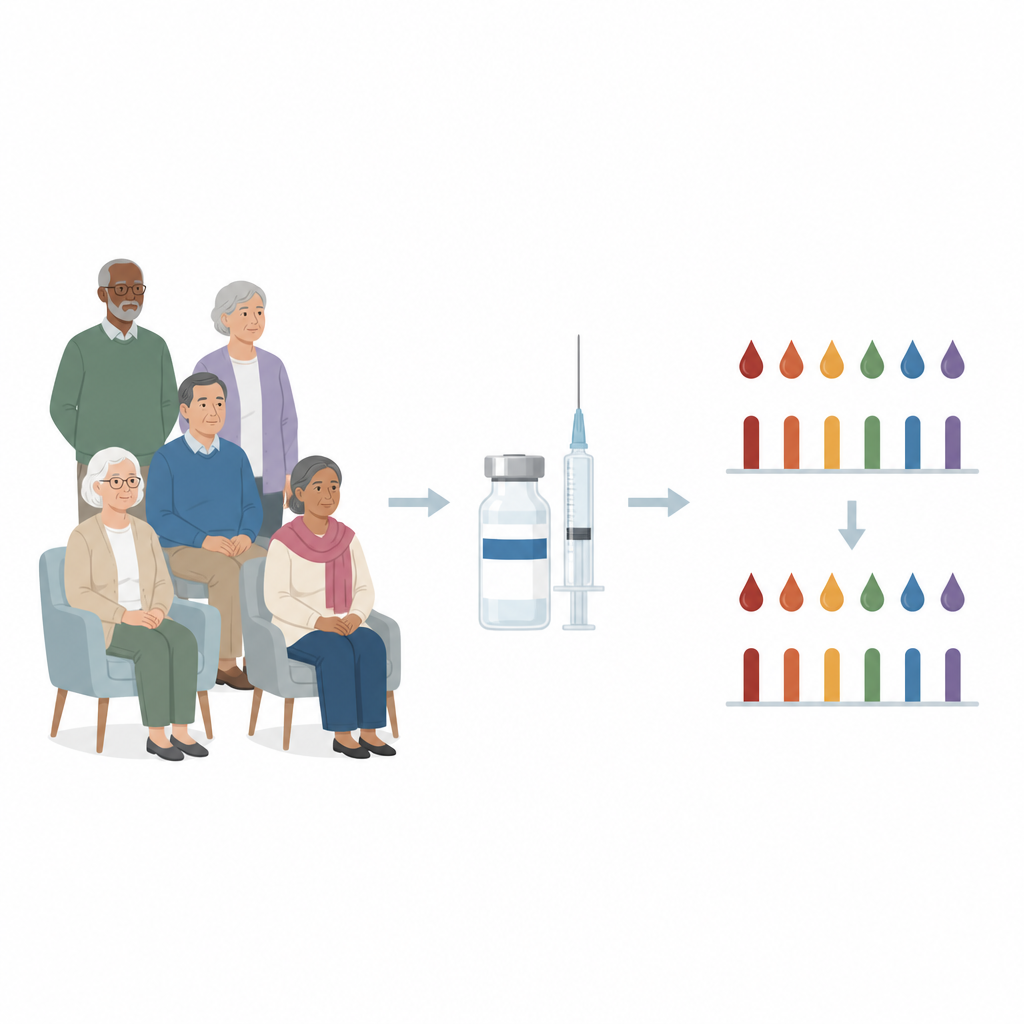
Monoclonal gammopathy of undetermined significance, or MGUS, is a mouthful for a condition where a single group of plasma cells in the bone marrow makes an extra, identical antibody protein called M protein. MGUS itself usually causes no symptoms, but it can slowly progress to serious blood cancers such as multiple myeloma or related disorders. Around 3 to 7 percent of older adults have MGUS, and each year about 1 to 1.5 percent of them develop a related cancer. Because infections have been linked to MGUS and similar diseases, some have wondered whether strong immune stimulation, including vaccines, might speed this progression.
Using a national screening project as a natural test
Iceland offered a rare chance to explore this concern in a careful way. Through the nationwide iStopMM project, more than 75,000 adults were screened for MGUS using uniform blood tests. Over 3000 people with MGUS were identified, and most entered a structured follow up program. While the study was underway, Iceland launched a broad SARS-CoV-2 vaccination campaign with very high uptake among people aged 40 and older. This created a real world experiment: researchers could compare each person’s pattern of M protein levels before and after vaccination, rather than just looking at single snapshots.
Tracking M protein before and after the shots
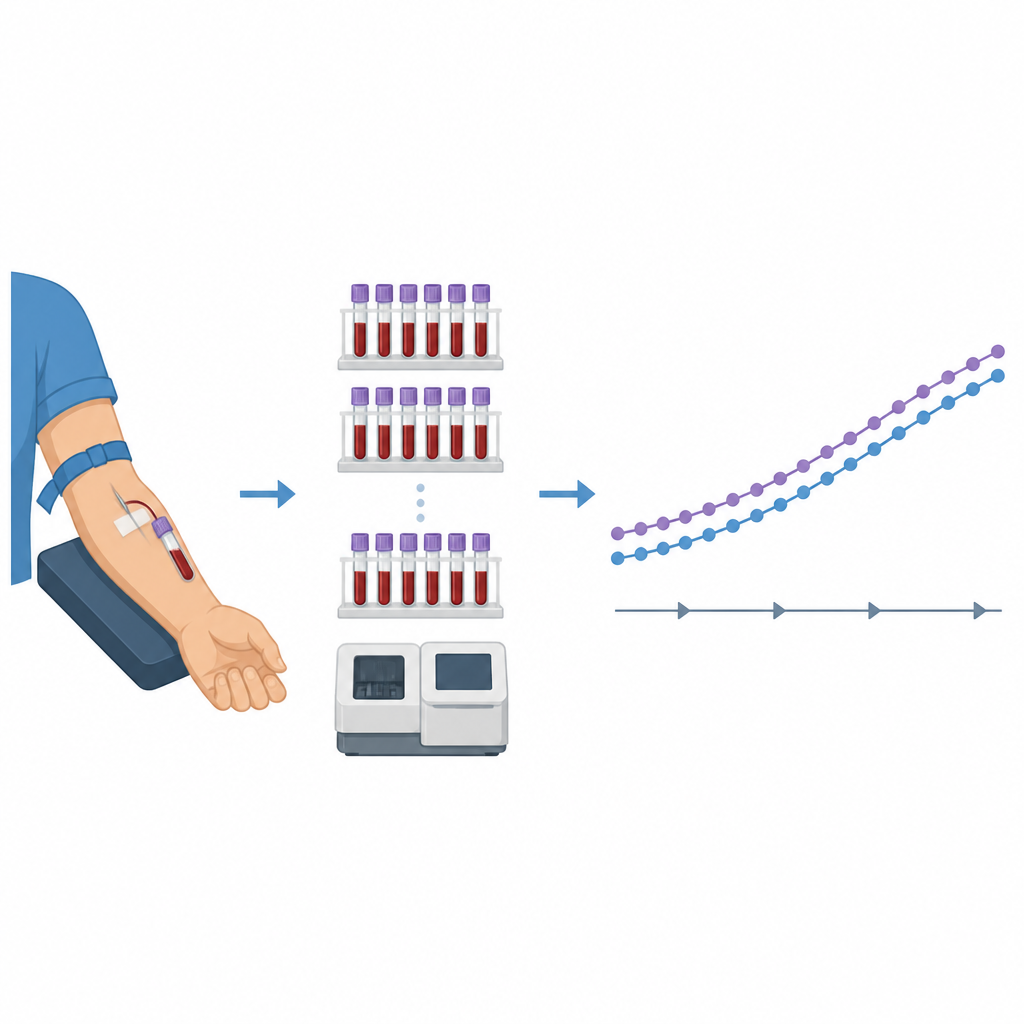
The team focused on 1814 people with measurable M protein who received at least one COVID-19 vaccine dose. These individuals had more than 6000 blood measurements collected over a median of 2.3 years. Most received two or more doses, often of mRNA vaccines, and were around 71 years old at first vaccination. Using statistical models that followed each person over time and accounted for age, sex, and calendar year, the researchers asked whether the slope of M protein levels changed after vaccination. In simple terms, they looked at whether the usual slow annual increase in this protein became steeper once people were vaccinated.
Stable patterns across doses, vaccine types, and subgroups
The results were remarkably consistent. Before vaccination, M protein levels rose by about 1 percent per year on average; after vaccination, they rose at almost the same rate. This pattern held when the group was split by sex, by different types of MGUS, and in people with a more advanced but still symptom free stage called smoldering multiple myeloma. There was no sign that receiving one, two, or three doses made any difference in the trend. The same was true across different vaccine brands, including both mRNA and viral vector vaccines. Measurements taken soon after vaccination and up to a year later showed no short term spikes. Even the small group of people who remained unvaccinated had a similar slow rise in M protein over time.
What this means for people living with MGUS
Putting these pieces together, the study suggests that COVID-19 vaccination does not disturb the underlying behavior of the abnormal plasma cell clones that produce M protein. While MGUS and smoldering myeloma still tend to progress slowly over many years, that natural background trend appeared unchanged by vaccination in this large, carefully followed group. For patients and clinicians who have worried that COVID-19 shots might accelerate a quiet blood condition into a more serious cancer, these findings offer strong reassurance that, at least over the first few years and first three doses, vaccination does not seem to push the disease forward.
Citation: Palmason, R., Eythorsson, E., Rögnvaldsson, S. et al. Impact of SARS-CoV-2 vaccination on monoclonal gammopathy of undetermined significance: results from the population-based iStopMM study. Blood Cancer J. 16, 73 (2026). https://doi.org/10.1038/s41408-026-01487-x
Keywords: MGUS, COVID-19 vaccination, M protein, multiple myeloma risk, plasma cell disorder