Clear Sky Science · en
Therapeutic targeting of BCL-2 during CART cell production augments potency through non-apoptotic adaptive changes
Turning Up the Power of Cancer-Fighting Cells
For patients with certain blood cancers, customized immune cells called CAR T cells can be life‑saving. Yet these living drugs don’t always work as well or as long as doctors would like. This study explores an unexpected way to boost their punch: briefly exposing them in the lab to venetoclax, a pill already used to treat leukemia. The twist is that the drug is famous for triggering cell death, but here it is used to make therapeutic T cells stronger rather than to kill them.
Why Today’s Cell Therapies Need a Boost
CAR T cells are made by collecting a patient’s T cells, re‑engineering them to recognize a cancer marker such as CD19, and expanding them in large numbers before infusion. Despite impressive results, many patients relapse because their CAR T cells tire out, die off, or never expand well in the first place—especially if the patient’s immune system has been battered by prior chemotherapy. Researchers are searching for ways to build CAR T products that live longer, resist exhaustion, and keep their killing ability over time.
Borrowing a Cancer Drug for Cell Training
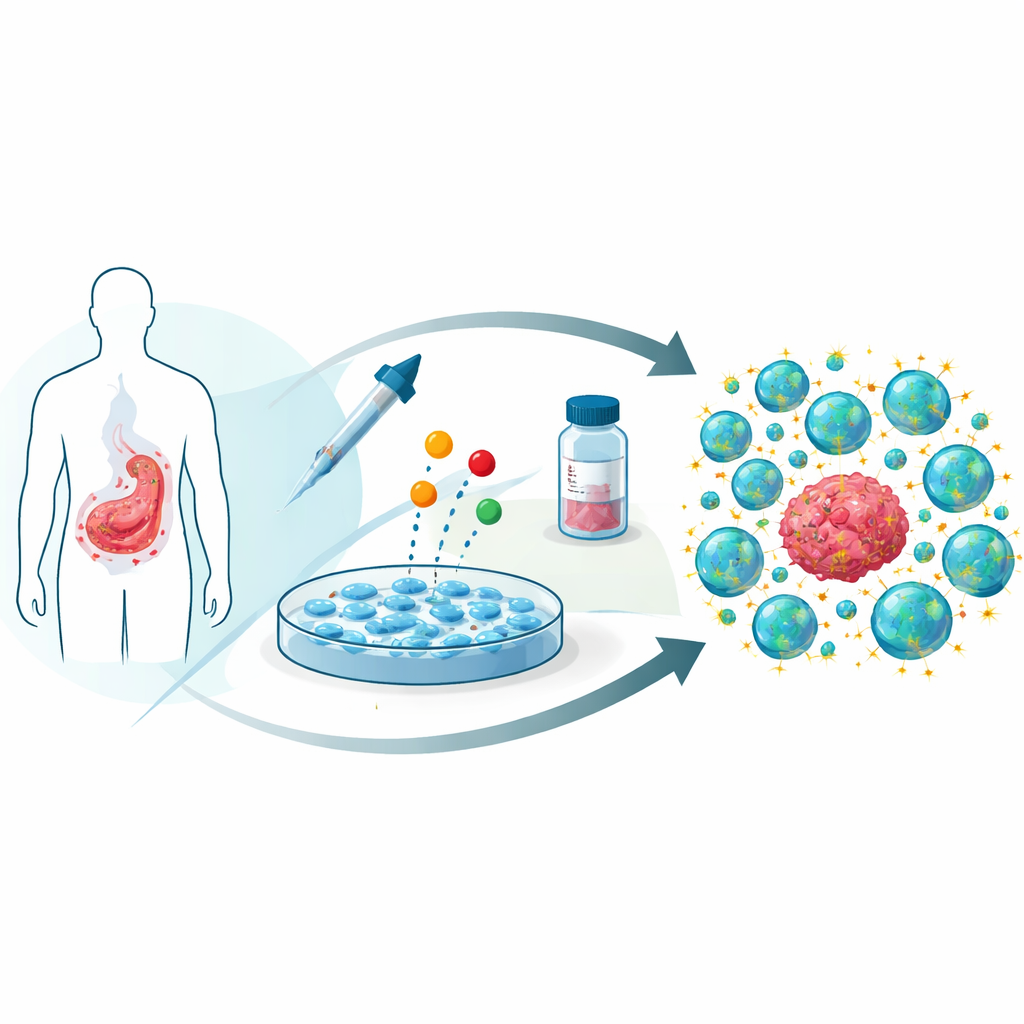
Venetoclax was designed to disarm a protein called BCL‑2 that cancer cells use to avoid programmed cell death. The authors asked what would happen if this drug were added during the lab growth phase of CAR T cells, then washed away before the cells ever see a patient. Surprisingly, human CD19‑targeting CAR T cells tolerated clinically relevant doses of venetoclax without major losses in growth or changes in their basic makeup, such as the balance of helper and killer T cells or the fraction that carry the engineered receptor.
Reprogramming T Cells Instead of Killing Them
Instead of simply pushing the cells toward death, venetoclax triggered an adaptive response. The treated CAR T cells increased levels of several survival proteins in the same family as BCL‑2, making them more resistant to dying when they later encountered tumor cells. In lab tests, these cells released more key attack molecules—such as perforin, granzymes, and inflammatory signals—and they killed leukemia and lymphoma cells more efficiently and repeatedly. They also showed fewer surface signs of “exhaustion,” a state in which T cells become sluggish and less responsive after chronic stimulation.
Deep Changes in Cell Wiring and Energy Use
To understand what was happening under the hood, the team profiled gene activity in thousands of individual CAR T cells. Venetoclax‑exposed cells showed broad shifts in pathways that control growth, survival, and metabolism. Signaling routes driven by STAT5 and AKT—known to shape T‑cell potency and persistence—were more active, and blocking either pathway cut back the enhanced tumor‑killing effect. Metabolic tests revealed that treated cells had stronger mitochondrial respiration and greater energetic reserves, features linked to longer‑lived, memory‑like T cells. At the same time, they maintained the ability to ramp up sugar burning when needed, supporting bursts of effector function.
Benefits Extend to Heavily Treated Patients
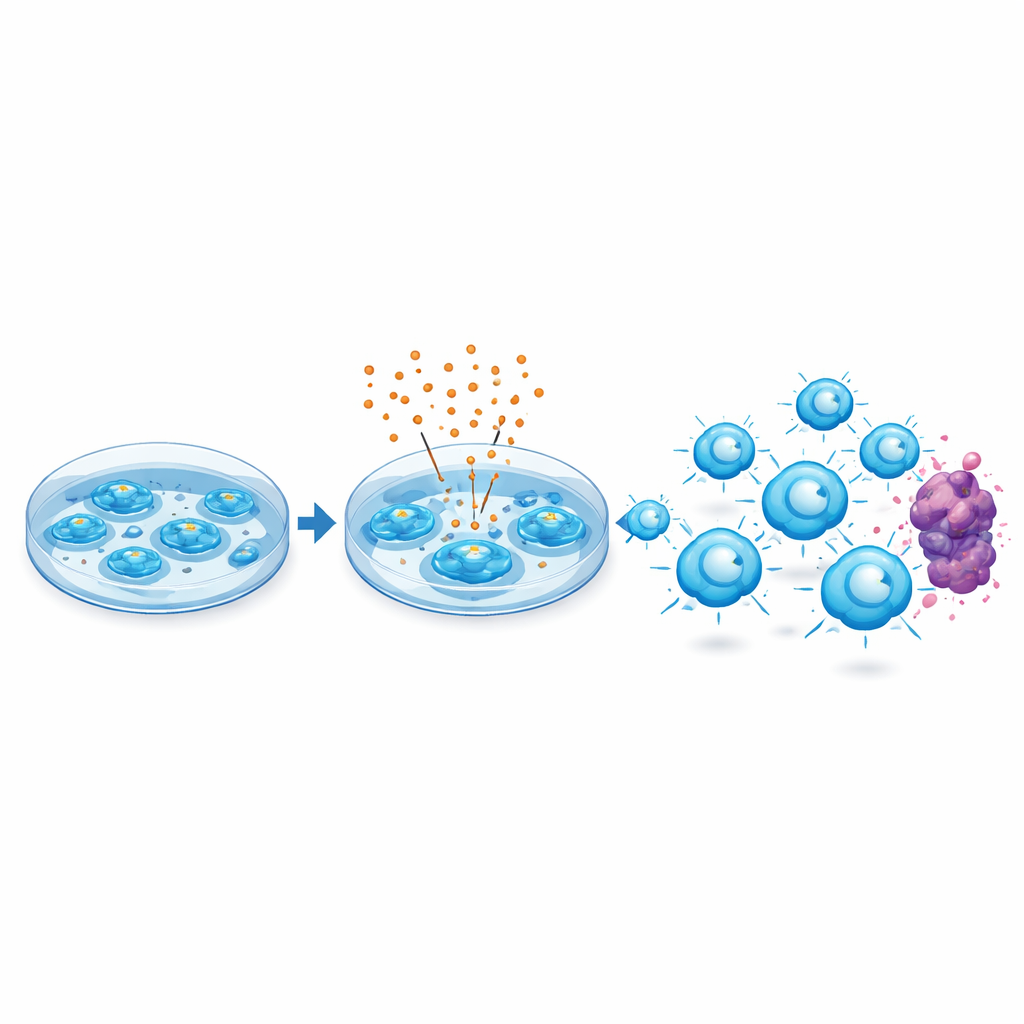
Crucially, the approach also helped when starting from less‑than‑ideal T cells. The researchers made CAR T products from patients whose immune cells were already worn down by prior cancer therapy and showed high levels of exhaustion markers. Even from this compromised starting material, short‑term venetoclax exposure during manufacturing consistently improved the cells’ ability to control tumors in mice. Tests with genetically altered BCL‑2 confirmed that the effect depended on the drug’s intended target, indicating that BCL‑2 itself acts as a control hub for T‑cell behavior.
What This Could Mean for Future Treatments
In simple terms, this work shows that briefly stressing CAR T cells with a targeted cancer drug can “train” them to come back stronger, not weaker. Rather than serving only as a cell‑killing agent, venetoclax can rewire T cells to survive better, use energy more smartly, and attack tumors more vigorously once infused. Although more studies are needed to understand how durable these benefits are in patients, the findings open the door to using BCL‑2–blocking drugs—and possibly other similar agents—as purposeful tuning knobs during the manufacturing of next‑generation cell therapies.
Citation: Aboelella, N.S., Park, R., Tang, E. et al. Therapeutic targeting of BCL-2 during CART cell production augments potency through non-apoptotic adaptive changes. Sig Transduct Target Ther 11, 155 (2026). https://doi.org/10.1038/s41392-026-02655-y
Keywords: CAR T cell therapy, venetoclax, BCL-2, immunotherapy, leukemia and lymphoma