Clear Sky Science · en
The impact of historical corporate irresponsibility on environmental, social and governance compliance in the EU
Why past scandals matter for today’s businesses
When a major corporate scandal hits the headlines—a polluted river, a worker rights disaster, or a corruption case—it often seems like just another story in an endless news cycle. This paper asks a deeper question that affects citizens, investors, and regulators alike: do these scandals actually push other companies in the same country to behave better over time? Focusing on environmental, social, and governance (ESG) problems across the European Union, the authors explore whether yesterday’s corporate irresponsibility can pave the way for more responsible business practices tomorrow.
Watching companies through a common lens
To study this, the researchers needed a way to track bad corporate behavior consistently across countries. They relied on data from RepRisk, a firm that continuously scans media and other public sources to identify companies involved in ESG-related incidents, such as environmental damage, human rights abuses, or governance failures. For each EU country and year between 2015 and 2020, the authors built two indicators. One captures how widespread ESG problems are, measured as the share of firms in a country that were linked to at least one incident. The other reflects how severe these problems are on average, based on a reputational risk score assigned by RepRisk. By working at the country level, the study looks beyond individual companies to ask what happens to the broader business landscape after serious misconduct becomes visible.
How history shapes business choices
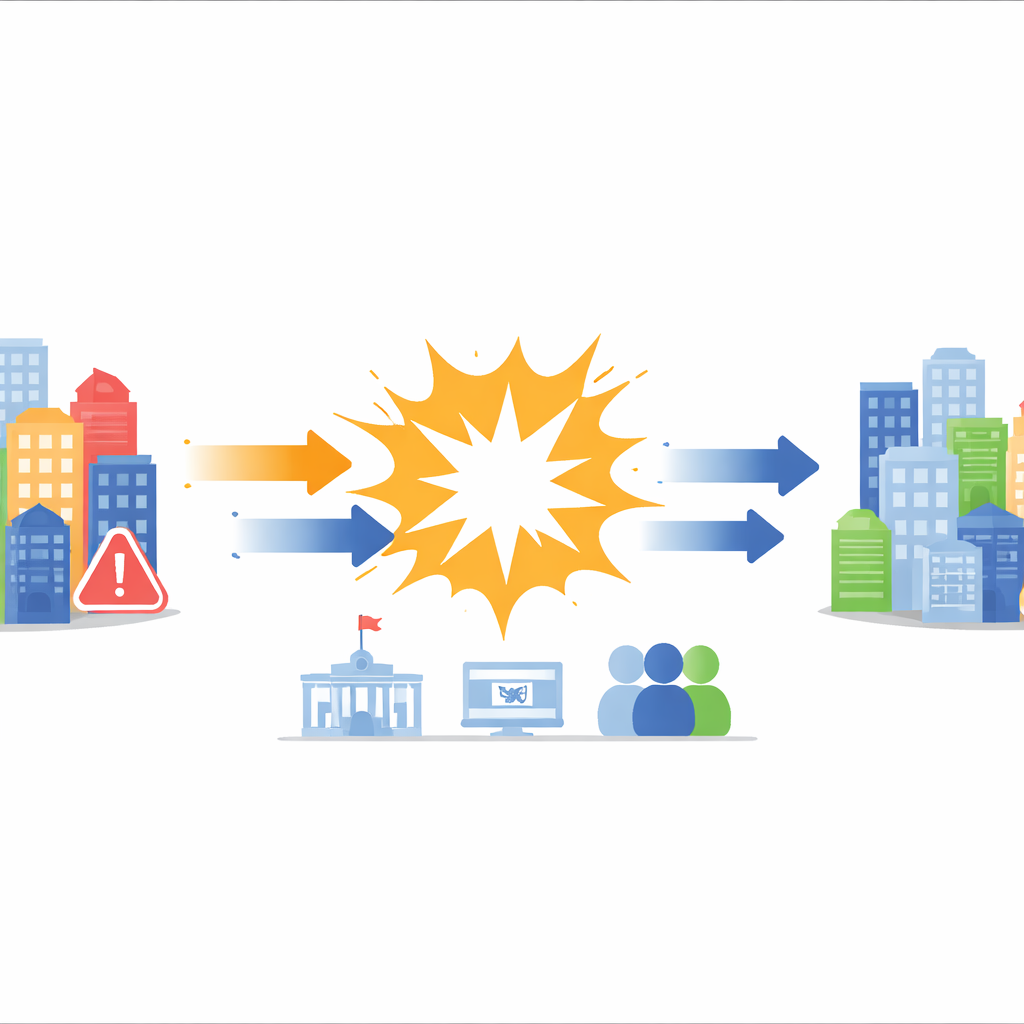
The study is grounded in two ideas about how organizations change. The first is that companies respond to outside pressures—from laws and regulators, but also from public opinion, investors, advocacy groups, and social norms. Even when it is costly or inconvenient, firms often adjust their behavior to maintain legitimacy and avoid reputational damage. The second idea is that corporate behavior is path dependent: once certain practices become common in an industry or country, they tend to persist unless disrupted by a major shock. A large ESG scandal can act as such a jolt, forcing companies and institutions to rethink what is acceptable. The authors therefore ask whether severe past incidents in a country serve as wake-up calls that lead many firms, not just the ones directly involved, to clean up their act.
Measuring the ripple effect of scandals
To test this, the researchers compared the intensity of ESG incidents in one year with how many firms were involved in incidents the following year, across 16 EU member states where RepRisk has full language coverage. They controlled for broader economic conditions such as income per person and inflation, which might also influence corporate behavior. Using panel regression models, they found a clear pattern: countries that experienced more severe ESG problems in the past tended to have a lower share of violating firms later on. In other words, a spike in the gravity of scandals was followed by a drop in how many companies were caught up in trouble. The result held up across different statistical specifications, suggesting it is not just a statistical fluke.
Why pressure and transparency can change behavior
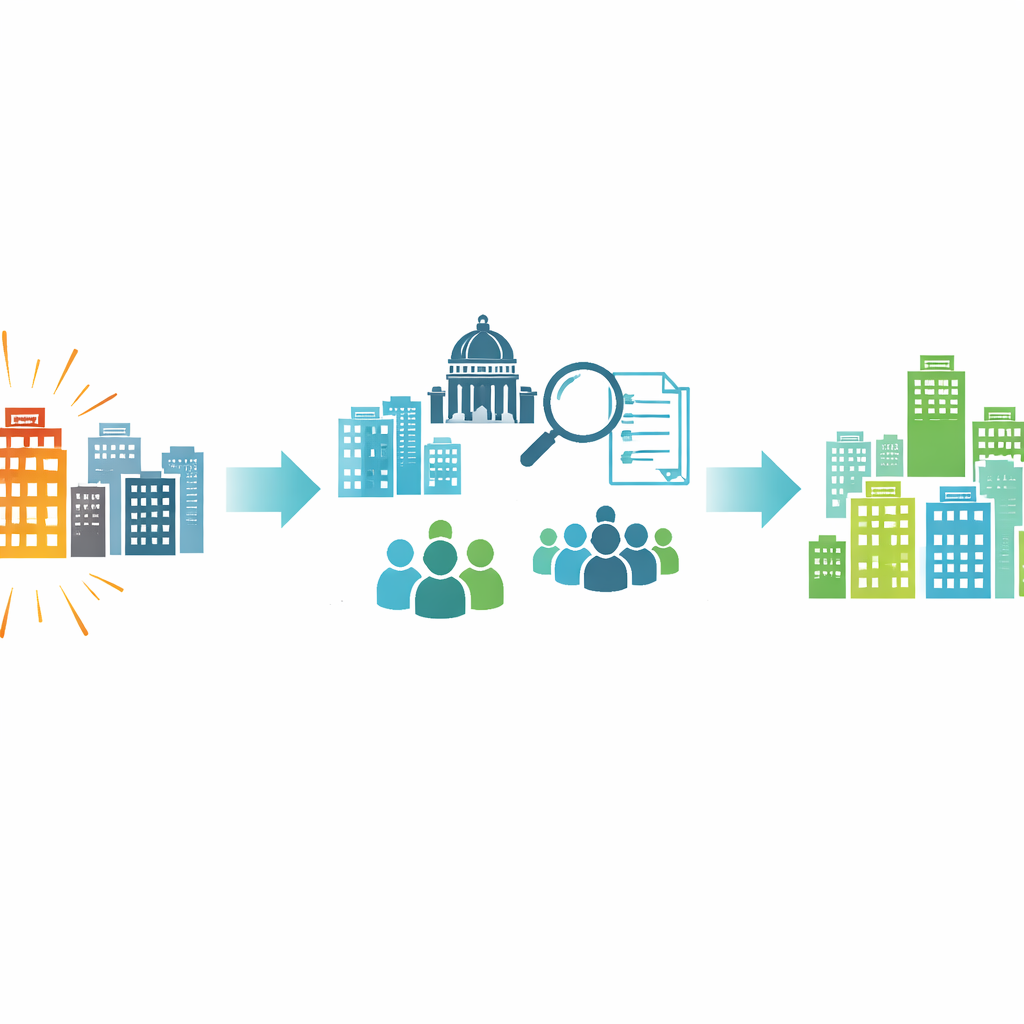
The authors interpret these findings as evidence that scandals can act as powerful signals to markets, regulators, and society. High-profile failures tend to trigger stricter oversight from authorities, closer scrutiny from investors and media, and sharper expectations from customers and employees. Faced with these pressures, companies adjust their strategies to avoid becoming the next headline, tightening internal controls and taking sustainability risks more seriously. Over time, these reactions help shift the unwritten rules of business in a country: irresponsible behavior that once seemed like a source of easy advantage becomes a liability, while responsible behavior is rewarded. This dynamic shows that past misconduct can, paradoxically, lay the groundwork for more sustainable norms.
What this means for citizens and policy
For the general public and policymakers, the main message is encouraging but cautious. The study shows that serious ESG scandals are not just isolated failures; they can trigger broader improvements in corporate conduct at the national level. Transparency, consistent reporting, and independent monitoring make it harder for bad behavior to stay hidden and increase the costs of being irresponsible. However, the authors also stress that these effects depend on strong institutions and vigilant stakeholders. Lasting progress towards sustainable business requires clear reporting rules, accessible data on corporate violations, and active oversight by regulators, investors, civil society, and the media. When these elements are in place, the painful lessons of past scandals can help steer whole business communities toward more responsible and resilient paths.
Citation: Chmelíková, G., Chládková, H., Kučerová, R. et al. The impact of historical corporate irresponsibility on environmental, social and governance compliance in the EU. Humanit Soc Sci Commun 13, 508 (2026). https://doi.org/10.1057/s41599-026-06804-0
Keywords: ESG scandals, corporate responsibility, sustainability reporting, business ethics, European Union firms