Clear Sky Science · en
Investing smarter and deeper to advance equity in high-stakes coastal locations in the Global South
Why These Coastal Choices Matter to Everyone
Around the world, billions of dollars are pouring into coastal regions to prepare for climate change, grow ocean-based economies, and protect marine life. Much of this money goes to countries in the Global South, where people are closely tied to the sea for food, jobs, and culture. This article asks a simple but powerful question: when we invest in these places, do we make life fairer and safer for local people, or do we unintentionally deepen existing unfairness? The authors map where money is flowing, where underlying conditions are most unequal, and how we might invest differently so that coastal communities and ecosystems both thrive.
Hidden Gaps Beneath the Waves
The authors introduce the idea of "contextual inequity"—the background mix of social, economic, political, and environmental conditions that shape who wins and who loses when new projects arrive. To capture this, they build a composite index using 14 indicators, grouped into three dimensions: how vulnerable people and ecosystems are, how unequal societies are inside each country, and how weak or unstable national governance may be. Many coastal communities in the Global South face overlapping challenges: fragile ecosystems, heavy dependence on fisheries for food and income, deep gender and income gaps, and limited political voice. In such places, even well-meaning climate or conservation projects can easily favor powerful actors and sideline those most at risk.
Where Money Meets High Risk
Using a global dataset of more than 35,000 coastal and marine projects between 2010 and 2021, the study traces over 32 billion US dollars in external funding. 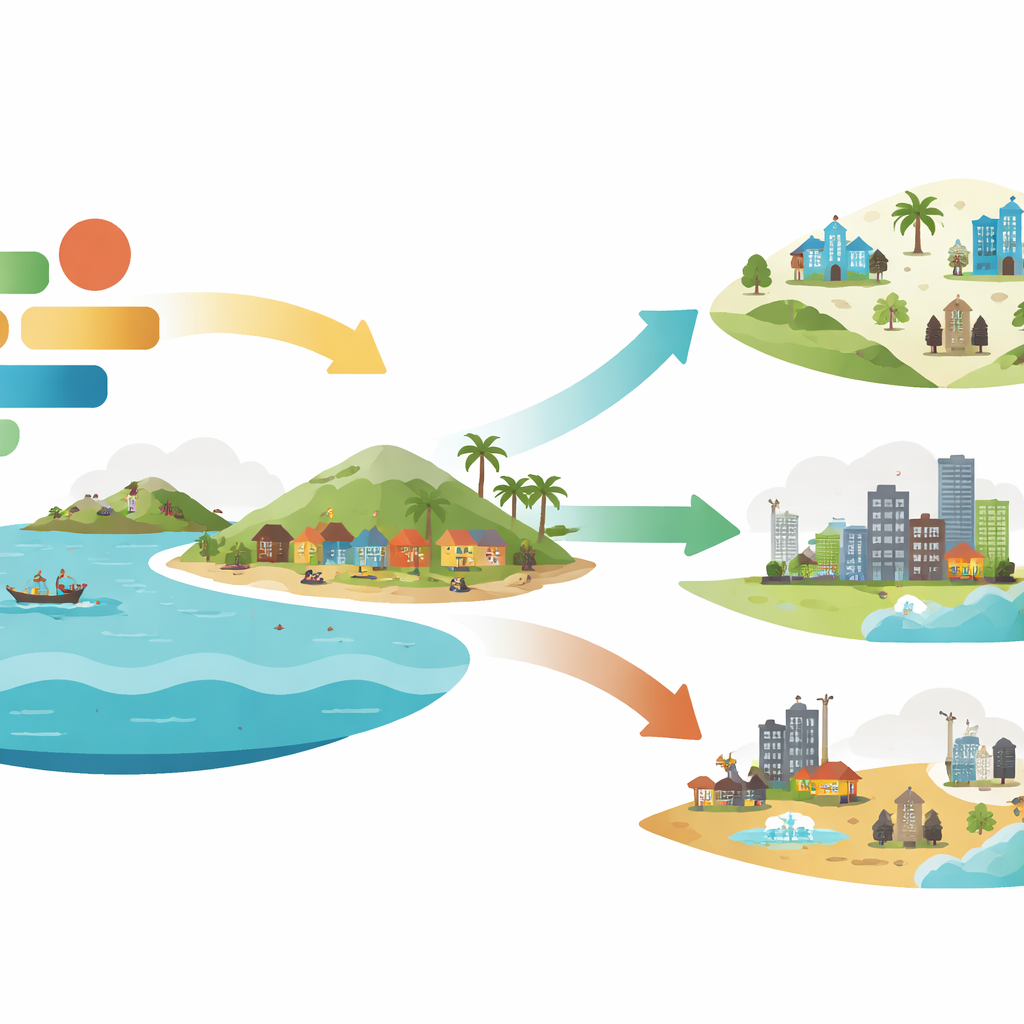
Equity Often Overlooked
The team also combs through project descriptions to see whether they explicitly mention ideas related to fairness—such as supporting marginalized groups, reducing poverty, or addressing gender inequality. They find that only about 27 percent of projects use such equity-related language, and in many countries with high inequity and low investment, this share is even smaller. There are bright spots, such as some high-stakes countries where equity is mentioned more frequently, but overall the pattern suggests that considerations of who benefits, who participates, and whose rights are recognized are still not central in most coastal investments. This gap is especially worrying in contexts marked by weak governance, corruption risks, and persistent social divides.
Investing Smarter and Deeper
To change course, the authors argue that external funders must both "invest smarter" and "invest deeper." 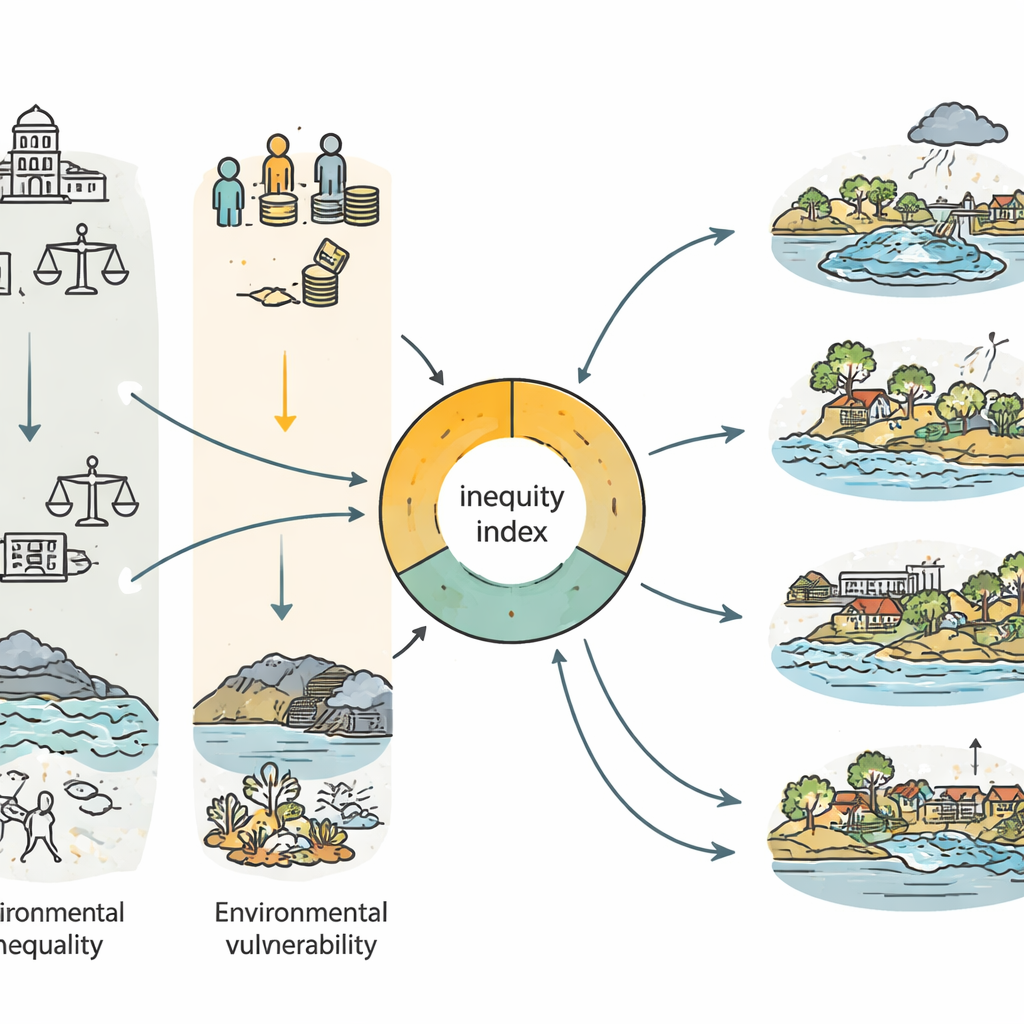
Toward Fairer Oceans for People and Nature
The article concludes that healthy oceans and fair treatment of coastal communities are inseparable goals. If external funding ignores existing inequalities and weak institutions, it may undermine both environmental protection and human well-being. But if investors use tools like the contextual inequity index to see where risks are greatest and deliberately center equity in project design, they can turn high-stakes locations into opportunities for lasting positive change. In essence, the message is clear: investing in the oceans is not just about protecting coral reefs or building seawalls—it is also about ensuring that the people who live by the sea share in the security and prosperity those investments are meant to deliver.
Citation: Gill, D.A., D’Agata, S., Blythe, J.L. et al. Investing smarter and deeper to advance equity in high-stakes coastal locations in the Global South. Commun. Sustain. 1, 54 (2026). https://doi.org/10.1038/s44458-026-00052-8
Keywords: ocean equity, coastal communities, climate adaptation, blue economy, Global South