Clear Sky Science · en
Challenges and strategies for delivering effective breast cancer care in conflict zones
Why Cancer Care in War Zones Matters
For many people, breast cancer brings to mind modern hospitals, advanced scans, and long-term treatment plans. But for women living in war zones, even seeing a doctor or getting pain medicine can become nearly impossible. This article explores how breast cancer care can still be delivered when clinics are destroyed, doctors flee, and medicines run out. It shows that with creativity, planning, and international support, women with breast cancer do not have to be forgotten, even in the midst of conflict.
When Illness Meets War
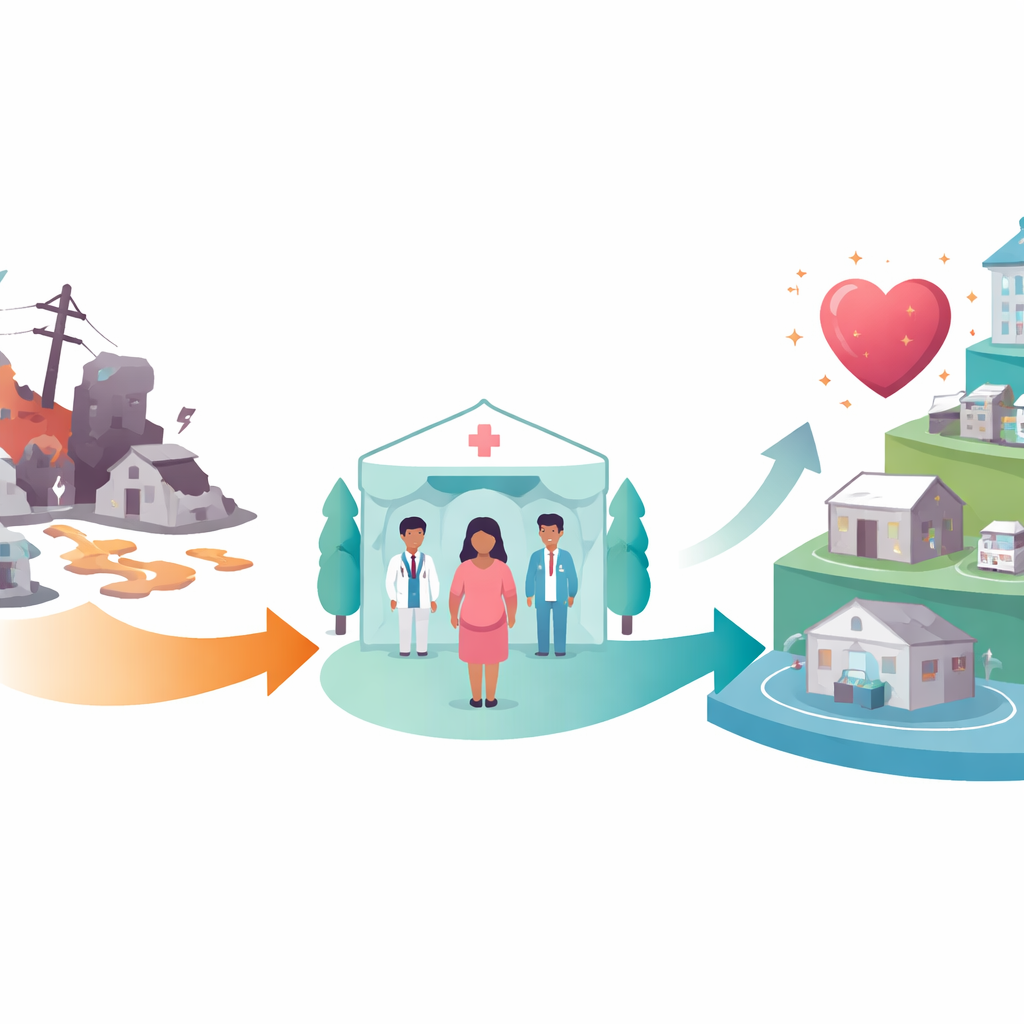
Breast cancer is the most common cancer in women worldwide, yet its toll is especially harsh in regions torn by war and political instability. Conflicts damage or destroy hospitals, cut off electricity, water, and internet, and shatter supply chains. Trained staff may be killed, injured, or forced to flee. Screening programs stop, diagnostic machines sit idle, and essential drugs never arrive. As a result, many women are diagnosed late, when their disease is already advanced and harder to treat, and they often have little or no access to pain relief or emotional support. Refugees and displaced people face extra barriers such as language, discrimination, and lack of money for travel or treatment.
A Tiered Roadmap for Care in Harsh Conditions
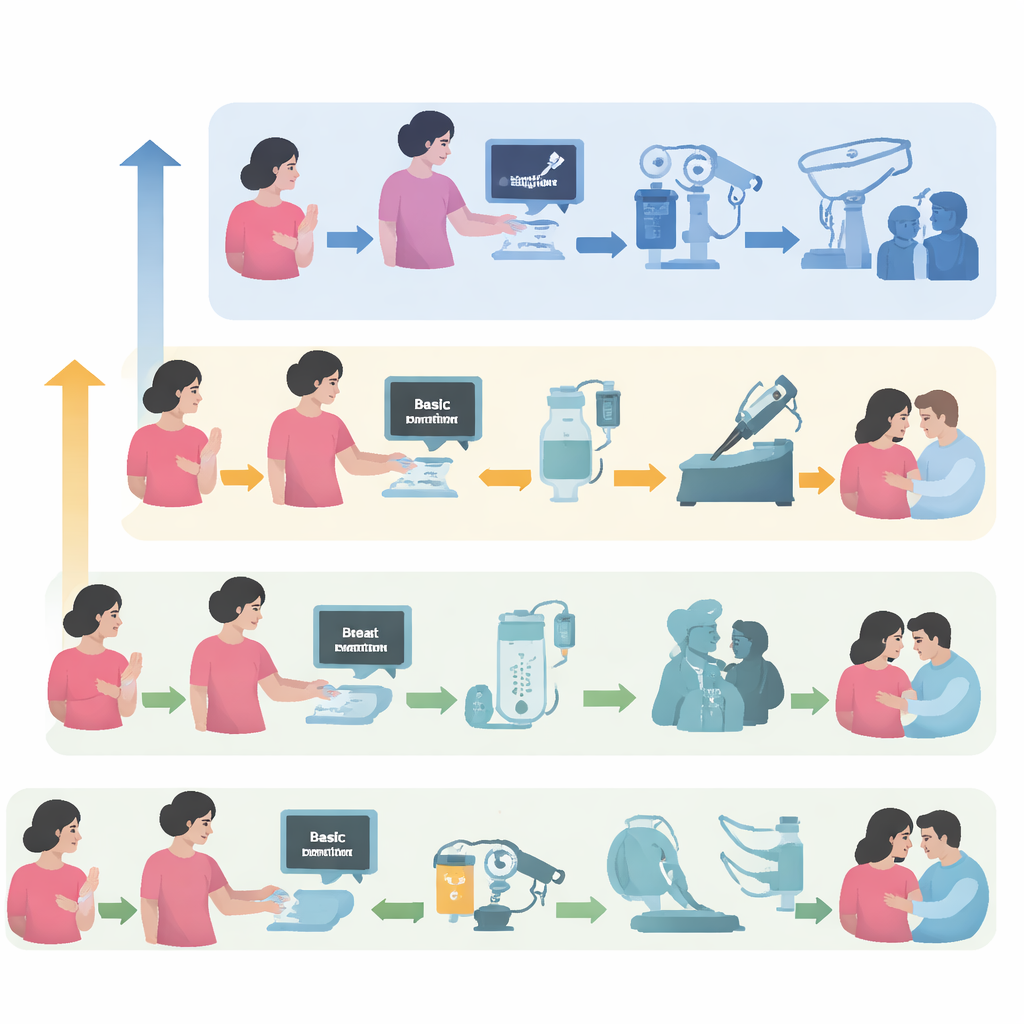
The authors propose a practical roadmap for breast cancer care that is matched to what is actually available in different conflict settings. They describe three tiers: a basic level where there may be almost no imaging, surgery, or chemotherapy; a limited level where some services exist but are unreliable; and an enhanced level with relatively stable hospitals that can still be affected by unrest. For each tier, they spell out what can realistically be done—from simple breast exams and basic pain control, to full surgery, radiotherapy, and modern drug treatments—along with backup plans when conditions suddenly worsen. They also suggest a simple way to describe any setting using five axes such as security, supply chains, and referral options, helping teams quickly judge what is safe and possible.
Bringing Diagnosis and Treatment Closer to Patients
Because standard screening and hospital-based diagnosis often collapse in war, the article highlights ways to push care outward into communities. Mobile clinics can visit camps and remote areas to perform breast exams, raise awareness, and link patients to more advanced centers when possible. Community health workers—local people given focused training—can teach women to recognize warning signs, perform simple exams, guide them through the system, and support follow-up when patients are displaced. Compact ultrasound machines and basic x-rays can help assess lumps and spread of disease, while digital tools allow images and biopsy slides to be shared with distant specialists. When full testing is impossible, the authors cautiously discuss short-term “best available” treatment based on age, tumor behavior, and safety, always with a clear plan to adjust once proper diagnostics become reachable.
Cancer Care as a Team Effort
The framework stresses that breast cancer care in conflict zones must be collaborative and flexible. Even small hospitals are urged to form a core team that includes surgery, imaging, pathology when possible, oncology, and nursing, and to meet regularly—on site or online—to discuss cases. Telemedicine can link local staff with international experts for advice on imaging, pathology, treatment choices, and mental health care. The article also emphasizes partnerships with humanitarian organizations and neighboring countries to guarantee medication supplies, create referral routes for treatments like radiotherapy that may not be available locally, and support cross-border care for refugees. Simple patient-held records and basic registries help maintain continuity when people are forced to move.
Healing Minds as Well as Bodies
Living with breast cancer during war adds intense emotional strain to an already frightening diagnosis. Patients and health workers alike may struggle with fear, grief, and trauma. The authors argue that mental health and palliative care should not be seen as luxuries but as core components of cancer care. They propose low-cost approaches such as brief counseling methods, group support, spiritual care, and training community workers to recognize distress and basic red flags. Where internet or phone connections allow, remote counseling and telepsychiatry can offer additional support, including help for displaced staff who continue to deliver care under constant stress.
Doing the Most Good with Limited Means
Because resources in conflict zones are so scarce, tough ethical questions are unavoidable: who receives limited chemotherapy or surgery, how to prioritize patients who may not be able to return, how to protect privacy when data systems are fragile, and how to avoid favoritism toward those who are urban, wealthier, or not displaced. The article recommends transparent triage rules, simple consent processes using clear language and visual aids, and “minimum necessary” data practices to protect patients from harm or targeting. It also calls for cancer drugs and diagnostics to be included in emergency health plans and essential supplies, so that people with chronic illnesses are not pushed aside during crises.
Hope and Responsibility Amid Conflict
The article concludes that while war makes breast cancer care far more difficult, it does not make it impossible. By starting with a small set of essential services, adapting care plans to the resources at hand, and using tools like mobile clinics, telemedicine, and regional partnerships, health workers can still offer earlier diagnosis, life-prolonging treatment, and meaningful relief from pain and distress. The same tiered, flexible approach can also help during pandemics, natural disasters, or other major disruptions. At its heart, the message is that women with breast cancer in conflict zones deserve the same commitment to dignity and survival as patients anywhere else, and that with thoughtful planning and global solidarity, this commitment can be honored even under fire.
Citation: Hirmas, N., Holtschmidt, J., Falk, S. et al. Challenges and strategies for delivering effective breast cancer care in conflict zones. Commun Med 6, 256 (2026). https://doi.org/10.1038/s43856-026-01600-y
Keywords: breast cancer in conflict zones, humanitarian oncology, cancer care for refugees, telemedicine in war settings, global health cancer policy