Clear Sky Science · en
CNDP1 (CTG)5 allele and cardiovascular events in high-risk patients: LURIC study results
Why this gene and heart risk story matters
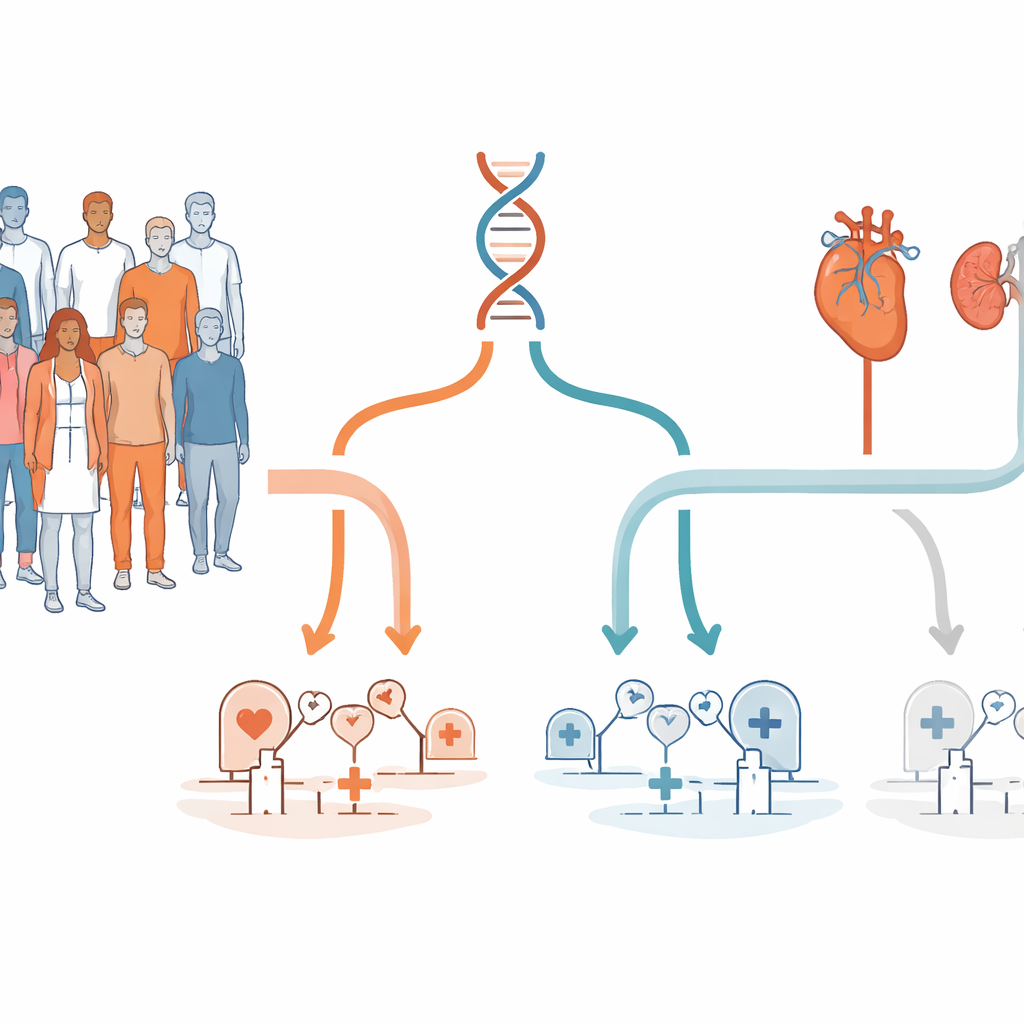
People with diabetes often worry, with good reason, about damage to their kidneys and heart. Over the past two decades, scientists have focused on a particular gene called CNDP1, which helps control levels of a small protective molecule named carnosine. Some earlier studies suggested that a certain version of this gene might shield the kidneys but at the same time secretly raise the risk of dying from heart disease, especially in women. This new study tests that unsettling idea in a large group of patients already at high risk for heart problems, asking a simple but important question: does carrying this genetic variant really mean you are more likely to die from cardiovascular causes?
A small gene change with big questions
The CNDP1 gene contains a short repeated stretch, written in DNA as CTG. People can inherit different repeat lengths, and one particular form with five repeats, called the (CTG)5 allele, has drawn special attention. CNDP1 helps break down carnosine, a natural substance that can act as an antioxidant, help keep blood sugar in check, and protect proteins from sugar-related damage. Because carnosine may buffer some of the harmful effects of high blood sugar, changes in CNDP1 that alter carnosine breakdown could, in theory, influence how quickly diabetic complications develop. Earlier work suggested that people who carry two copies of the (CTG)5 version might be less likely to develop diabetic kidney disease, but later reports hinted that these same people—particularly women with type 2 diabetes—could face a higher risk of dying from heart disease.
Taking a fresh look in a high-risk heart cohort
To revisit this controversy, the researchers turned to the Ludwigshafen Risk and Cardiovascular Health (LURIC) study, a long-running project in Germany that tracks people undergoing evaluation for suspected or known coronary artery disease. From more than 3,300 participants of German ancestry enrolled between 1997 and 2000, genetic information on the CNDP1 repeat region was available for 3,201 individuals. Just over a third of them—1,157 people—had two copies of the (CTG)5 allele. These participants, many of whom had diabetes or other cardiovascular risk factors, were then followed for nearly ten years, with careful recording of deaths and whether they were due to cardiovascular causes such as heart attack, heart failure, stroke, or sudden cardiac death.
Comparing survival between gene groups
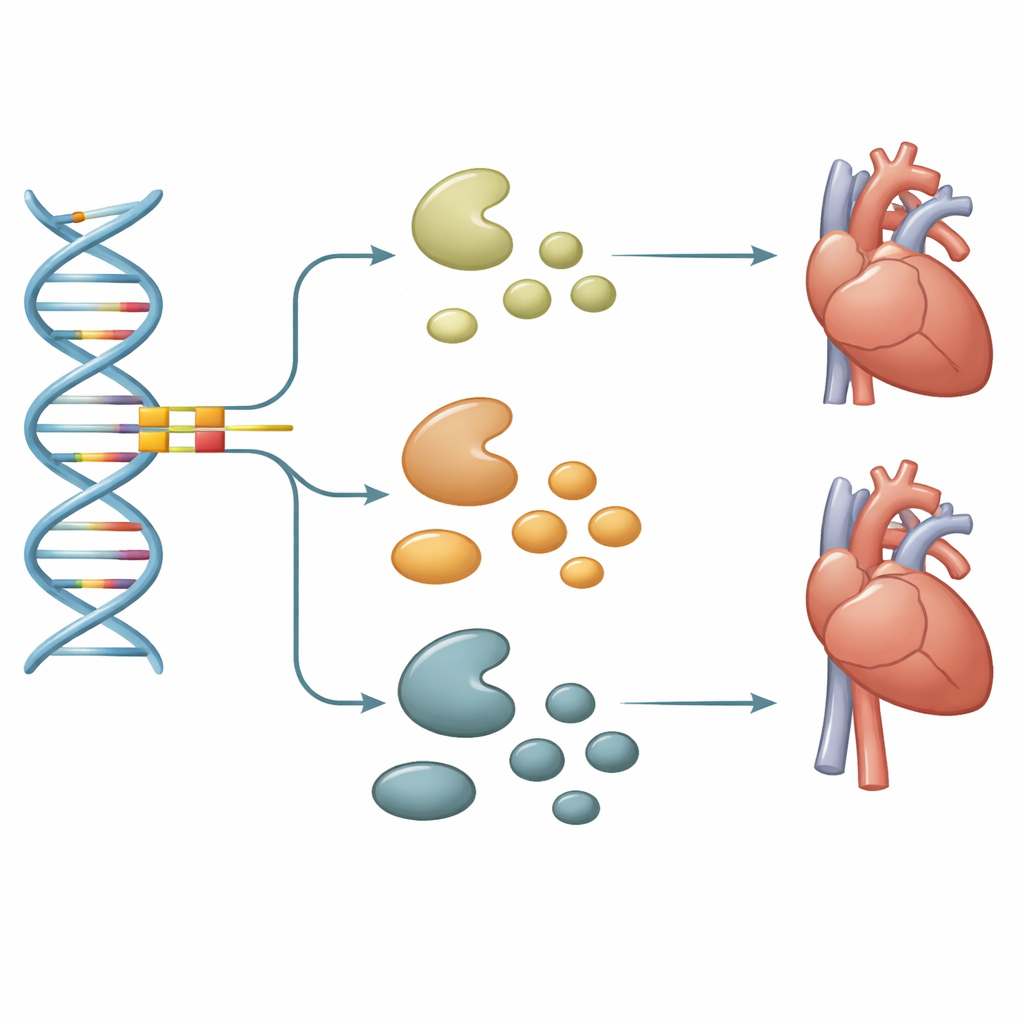
The scientists compared those with two (CTG)5 copies against everyone else combined, looking separately at men and women and at people with and without diabetes. They used several layers of statistical models, starting from a basic comparison and then adding adjustments for age, sex, body weight, smoking, blood pressure, blood fats, long-term blood sugar, kidney filtration, and a history of major vascular diseases. Across all models, the results were strikingly consistent: there was no meaningful difference in either overall death or cardiovascular death between people with the (CTG)5/(CTG)5 genotype and those with other repeat patterns. This held true within the subgroup of patients with diabetes and when men and women were examined separately.
Why earlier findings may have looked different
The authors then considered why their findings differ from the earlier report that had linked the (CTG)5 variant to higher cardiovascular mortality in women with type 2 diabetes. One possibility is that the earlier study’s patients had a different overall risk profile: they were older, more likely to have diabetes as their main problem, and had poorer long-term blood sugar control, which is known to increase CNDP1 activity. Another difference lies in how cause of death was classified and which risk markers, such as albumin in the urine, were available. These contrasts suggest that the prior signal might have reflected differences in disease severity or in how deaths were labeled, rather than a direct harmful effect of the CNDP1 variant itself.
What this means for patients and doctors
In plain terms, this study finds no evidence that carrying two copies of the CNDP1 (CTG)5 allele makes people more likely to die from heart disease, even among those already at high cardiovascular risk or living with diabetes. While the gene remains interesting for its possible role in protecting the kidneys through the carnosine system, it does not appear to mark out a subgroup that needs special concern about cardiovascular death—at least in a population similar to the one studied here. For patients and clinicians, the take-home message is reassuring: everyday factors such as blood sugar control, blood pressure, cholesterol, and smoking status still matter far more for heart risk than this particular genetic variant.
Citation: Hettler, S.A., Moissl, A., Delgado, G.E. et al. CNDP1 (CTG)5 allele and cardiovascular events in high-risk patients: LURIC study results. Sci Rep 16, 13011 (2026). https://doi.org/10.1038/s41598-026-49233-4
Keywords: diabetic kidney disease, cardiovascular mortality, genetic variant, carnosinase CNDP1, type 2 diabetes